

Back in Birmingham. Back to the grind. Back at UAB. Back on VA house calls (today was spent in the wilds of the free state of Winston. If you haven’t heard of it, you can read the Wikipedia article). Back to church meetings. Back to reviewing legal cases. The one thing I haven’t gotten back to yet is rehearsal for Chitty Chitty Bang Bang as they’ve been working on the big dance numbers the last few days and I could break a hip if I were to try doing any of those moves. I return to my cozy little character track tomorrow evening. I just have to find some time tomorrow to look at lines and to keep working on dialect between now and then. I had this idea of trying to do a Yorkshire/Lancashire country accent for one of my characters but it isn’t coming out right, sounding more like a bewildered South African trying to read audio system instructions translated from Japanese when I listened to a self tape so I think that idea is going to go on the trash heap. I’m just not very good at mimicking accents. Just call me the anti-Meryl Streep.
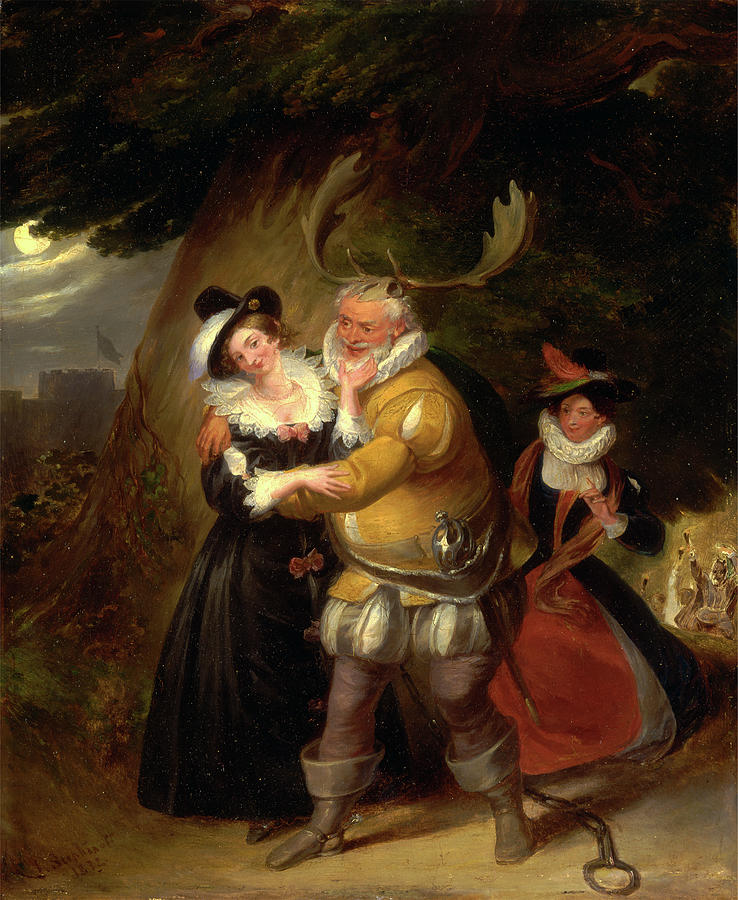
The rest of the Seattle visit was uneventful. Got to spend time with my brother and my sister discussing the things that aging siblings do with each other. Had a delightful dinner with Teresa Mosteller and Paula Podemski, both friends of nearly four decades. I also made great progress with a couple of projects – one theatrical (making cuts to the script of The Merry Wives of Windsor which I am slated to direct later this summer – no one wants to sit through 2 3/4 hours of Shakespeare comedy where most of the jokes were out of date by 1630. I think I have it down to about 2:10 which is a much better running time) and one medical (revising educational modules for a national board review course in geriatric medicine). I’m beginning to feel like I just might be able to get through all of the things on the ‘to do’ list that have to be accomplished by the end of the month. I’m supposed to be on regular schedule from now until mid-September and that should also help.
Coming back into usual work life after a week off is helping me think that my decision to retire from active clinical work in three years is the correct one. Stepping outside of the system for a few days for a little clarity helps me see just how broken things are and they are far beyond my ability to fix – or even know where to begin. I have to stick with my usual philosophy of save the world entire one patient at a time because if I look up at all from the work and the patient in front of me, the problems seem insurmountable. In the two days I have been back at work, I have had to deal with a hospice company that is not even beginning to meet its obligations in regards to service (obviously cutting corners to maximize profits and minimize expenditures), four families who are blind to the fact that their nonagenarian loved ones are beginning to fail and who think that they can continue to exist independently and eternally in their usual lives despite the obvious evidence of an inability to put food on the table, rationally spend money, or safely operate a motor vehicle, a lack of neurology appointments for between six and eighteen months depending on the disease process, and a system unwilling to release the funds to hire me an assistant despite the fact that I have nearly double the number of patients I am supposed to be caring for under national guidelines. Or, as we say in the biz, an ordinary Thursday.
I’m still trying to wrap my head around the new book I’ve started. I’ve started referring to one of the central premises as ‘The Cher Effect’. What is that you may ask? It stems from the fact that Cher, who will celebrate her 78th birthday next week on Eliza Doolittle Day, has had an eternal and relatively unchanging appearance and place in pop culture for roughly sixty years. She is emblematic of the Baby Boom that continues to consider itself youthful even though they hit eighty in about 18 months. Cher (who comes by at least some of her appearance thanks to good genetics – google her mother Georgia Holt) is an outlier. The vast majority do not have her resources or thirty five off camera assistants to help us maintain that unchanging facade. But because we see this example, her peer group internalizes the outlier as the norm and expects to be able to pull off a similar feat. I get people in my office in their late 70s or 80s all the time who demand to know why their looks are changing or why they cannot do the things they could do at thirty or forty and the answer is often not that they are ill, but simply that they are aging. ‘But I heard about this ninety year old who can…’ they say. They don’t understand that the reason they heard about that ninety year old is because that person is also an outlier and not normal. This idea of time standing still has completely changed how our culture operates in recent years. In politics, it has led to a 78 year old and an 81 year old as the chief candidates for the presidency. It has kept many elders in the work force, often in top positions, unwilling to step aside for a younger generation and preventing evolution and change in institutions. It makes my life more difficult as it sends me people determined to somehow remove the normal trajectories of biology, physiology, and life as somehow being evil. And it creates the situations where, when time finally does catch up, a host of problems for families to solve that become crises because no one has been willing to confront the need for change with time until after the disasters start to pile up.
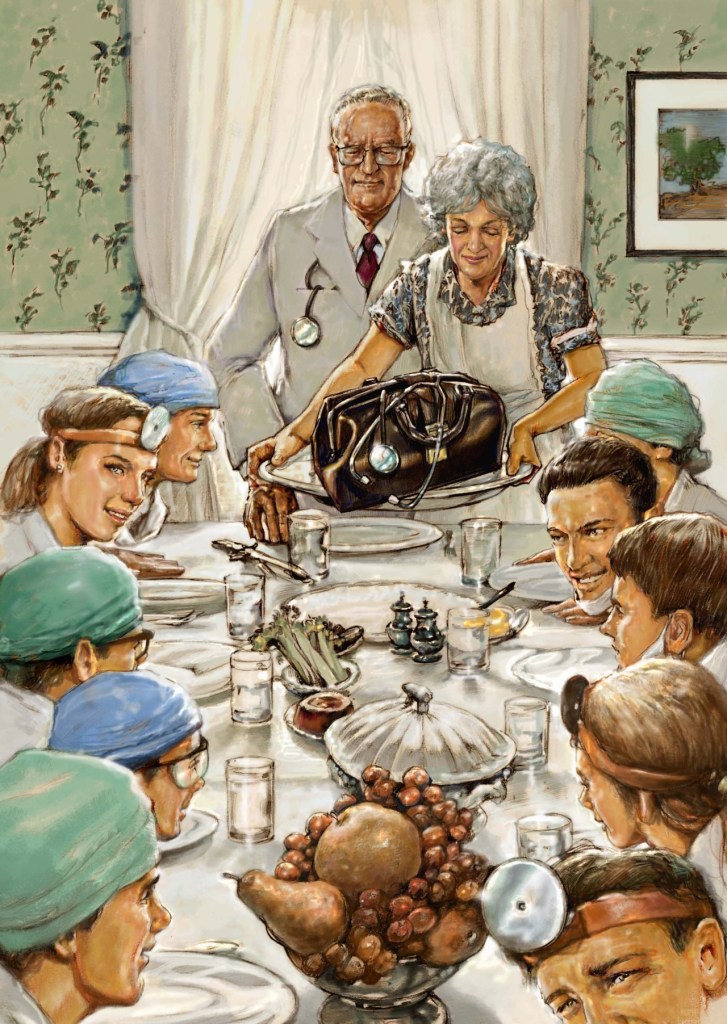
Dr. Duxbury’s advice for the week: It’s never good to make life altering decisions in emergency room waiting rooms at 3 am. Think through the scenarios and the life choices before you must so everyone in the family knows what steps to take if life throws a curve ball. A suggestion based on a campaign some group was running a decade or so ago- Talk Turkey at Thanksgiving. When the family gets together around the dinner table this fall, don’t shy away from the difficult subjects. Ask what people would want should they become terminally ill. What sort of living situation suits or doesn’t suit if they don’t have the cognitive abilities to live independently? How would you want to access the world if you were unsafe to drive independently. Does everyone have a will and a power of attorney for health care decisions? We may not like to think about things like decline and death but we all board the train, just at different stops.
I have no idea where I was going with any of this. Just a Thursday night brain dump. Now back to whatever is on Hulu.
 Life, The Universe, and Everything