October 15, 2021

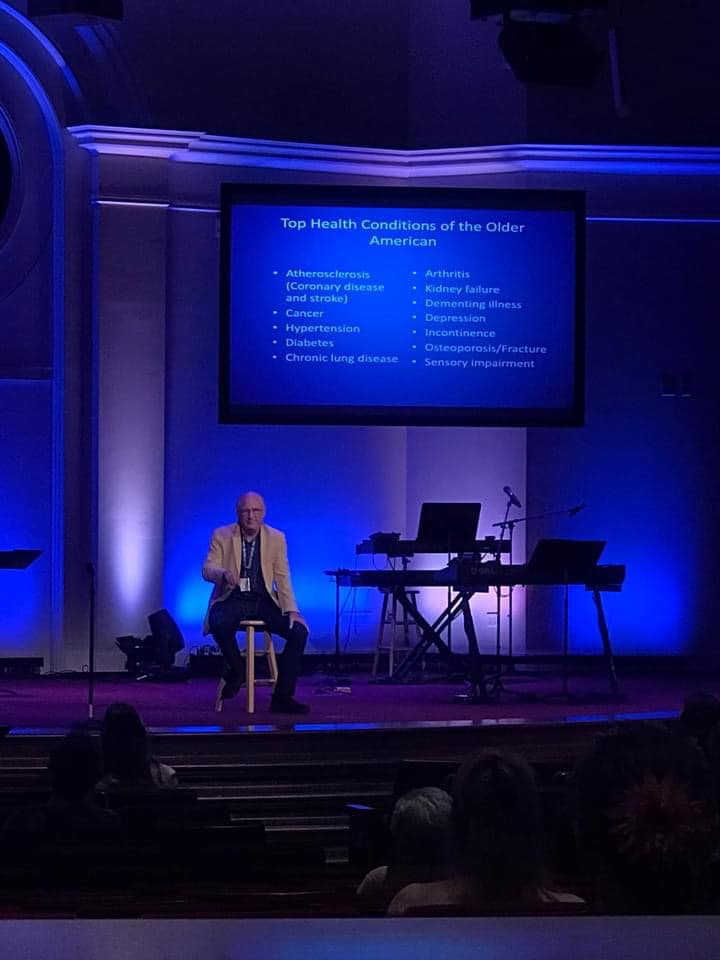
On stage this afternoon

I had a speaking gig this afternoon. It was an hour on geropharmacy, one of the topics I do fairly routinely as it’s an important one for anyone involved in the area of elder health to be somewhat conversant with. I covered things like changing physiology, adverse drug reactions and adherence strategies – the usual things. It was still a hard gig to do. It hadn’t occurred to me when I agreed to do it that the venue, Canterbury United Methodist Church had some loaded associations. When I’ve spoken there in the past, it’s usually been in there large conference hall so I assumed this program would be there. It wasn’t. It was in there modern worship space. A space I last entered just a little over three years ago to attend Tommy’s memorial service. I’m pretty good at turning myself off and doing my job when I need to so when I started to feel things as I prepared for my talk, I shut them down and got myself ready to do what I was tasked with doing. I gave my talk, I told my jokes, I shut the part of me that was uncomfortable and emotional away until afterwards.

When I give lectures, especially on topics I speak about frequently, I have set bits of patter and anecdote to go along with the topic at hand. I don’t really remember them per say, but when the right slide comes up with the triggering factoid in place, they drop into my brain and I run through the macro and then it’s on to the next bit. I have no idea if other people do public speaking this way, but it seems to work for me. Tommy and memories of Tommy kept intruding as I went through my hour but I stuck to my talking points and was told by various attendees that they really enjoyed and listened to my remarks so I guess I did the job I was supposed to do. I left, went home, and didn’t feel like doing much of anything for a couple of hours. Then I took myself out to dinner and had a large Manhattan with my meal. That seems to have helped. As I live in the same city with many of the same routines for decades, I am frequently in spaces that hold memories of Steve or Tommy. They’re usually passing thoughts. This time was unusual, likely do the nature of the association and the fact that I am rarely there.

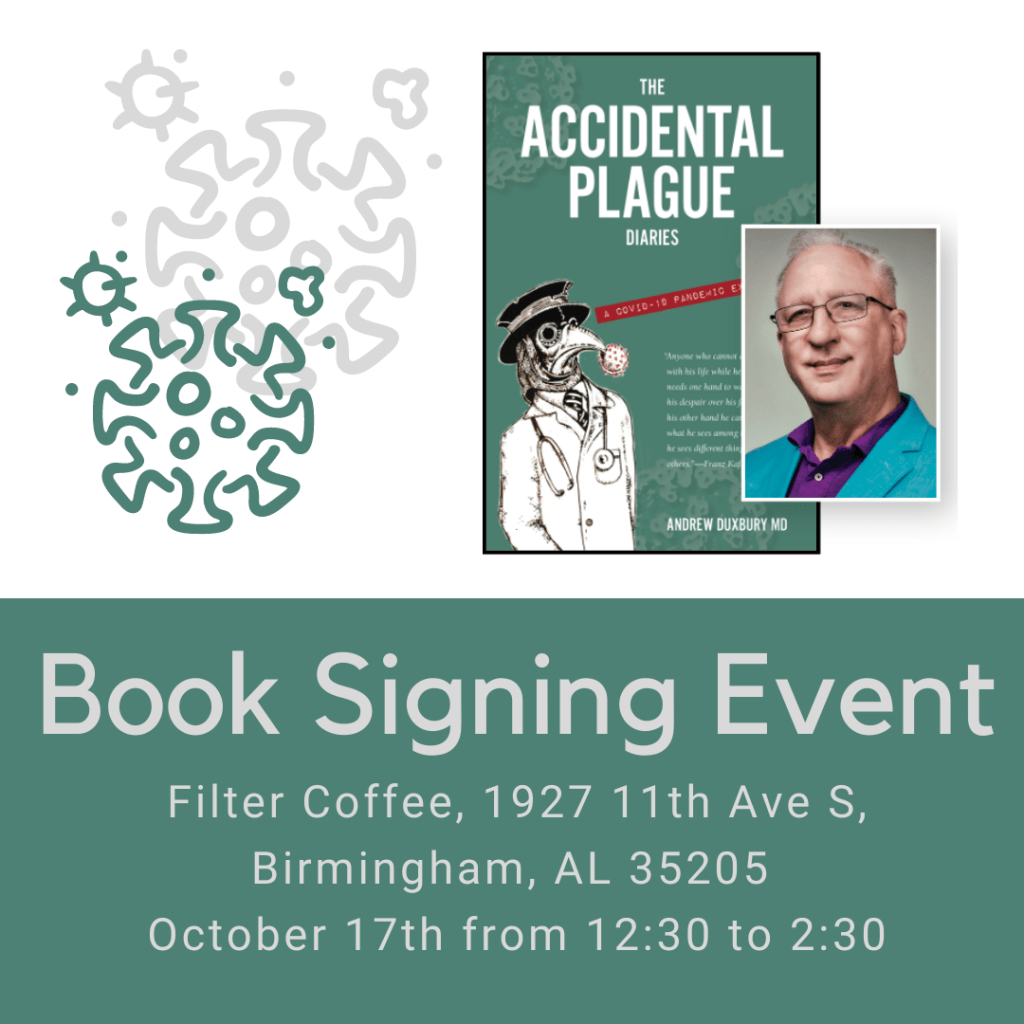
I have a little bit of trepidation at the signing events and other book promotion stuff I have coming up. I’m fearless on stage when I’m in a role – directors can ask me to do pretty much anything and as long as I can make sense of the character and theatrical moments I’ll do it. I’ve cursed, made racially insensitive jokes, appeared in nothing but body paint and a bunch of grapes, and other such things and haven’t thought much of it. But when it comes to just being me without a character to hide behind (and I count Dr. Duxbury as a character…), I don’t know what to do with myself. I guess I’ll have to develop an author persona I can conjure up for these things – an erudite, but warm individual who can act as psychic armor for when I’m not sure what’s next. I’ve always been terrible at self promotion. There’s something deep in my core that feels that no matter what I’ve achieved, it’s not really worthy of any sort of attention. I suppose we all feel that way somewhat, at least in medicine. One of the things I’ve always done with medical students is validated those sorts of feelings when they have them and explained that we all have them and that when they think their classmates have it all together while they do not, their classmates are thinking the exact same things about them.

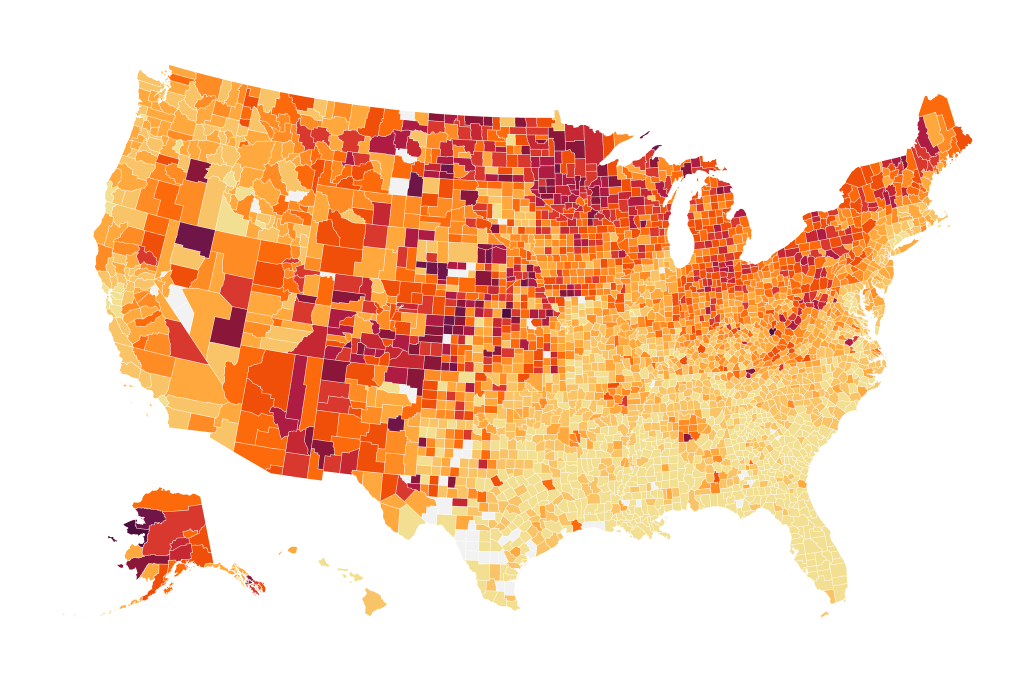
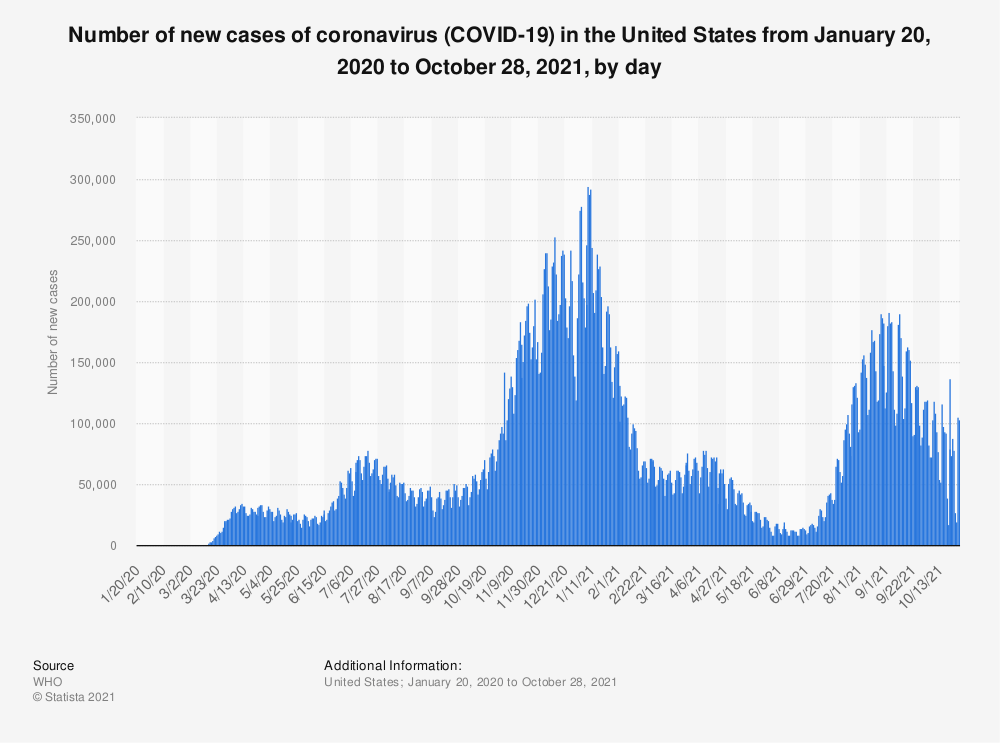
The Delta wave continues to recede locally. UAB’s inpatient load is down to about half of what it was in late August and there’s nothing in the local numbers to suggest that it’s about to accelerate again. The Mountain West, however, remains exceedingly stressed. They’re a month or so behind where the Deep South was. Their October was our August. And still, so my sources tell me, the stubborn strain of Covid and vaccine denialism continues in those communities. There’s going to be some serious long term damage from this. First, the hospitals and health systems, already stressed pre-pandemic by the fiscal realities of rural medicine, are going to start collapsing and leaving many communities without good local health care resources. The psychic burdens born by the health care workers in these communities over the last couple of years as they have labored to care for their friends and neighbors, only to be reviled and scorned for accepting science over wishful thinking cannot be born long term by anyone and the human capital on which these institutions depend is going to melt away. The older generation will retire. The younger generation will depart for greener pastures and communities where their skills and compassion are embraced and not spat upon.

The big news of the last few days is twofold. The first is that the FDA is well on its way to approving booster doses of both the Moderna and Johnson & Johnson formulations of Covid vaccines. I would expect both of them to be out and available by the end of the month. Should you receive a booster? The answer is yes if you fall into one of three major groups: 1. If you have a disease process or take a medication that impacts your immune system in some negative way. 2. If you have a job or other life pattern that brings you frequently into close contact with individuals of uncertain vaccination status. 3. If you are an older adult over the age of 65. Outside of those three groups, the answers are less clear: talk to your physician. I took mine as I fit into those categories. It didn’t bother me any more than the original shots did. I also got my flu shot this week. It’s a condition of my remaining gainfully employed.

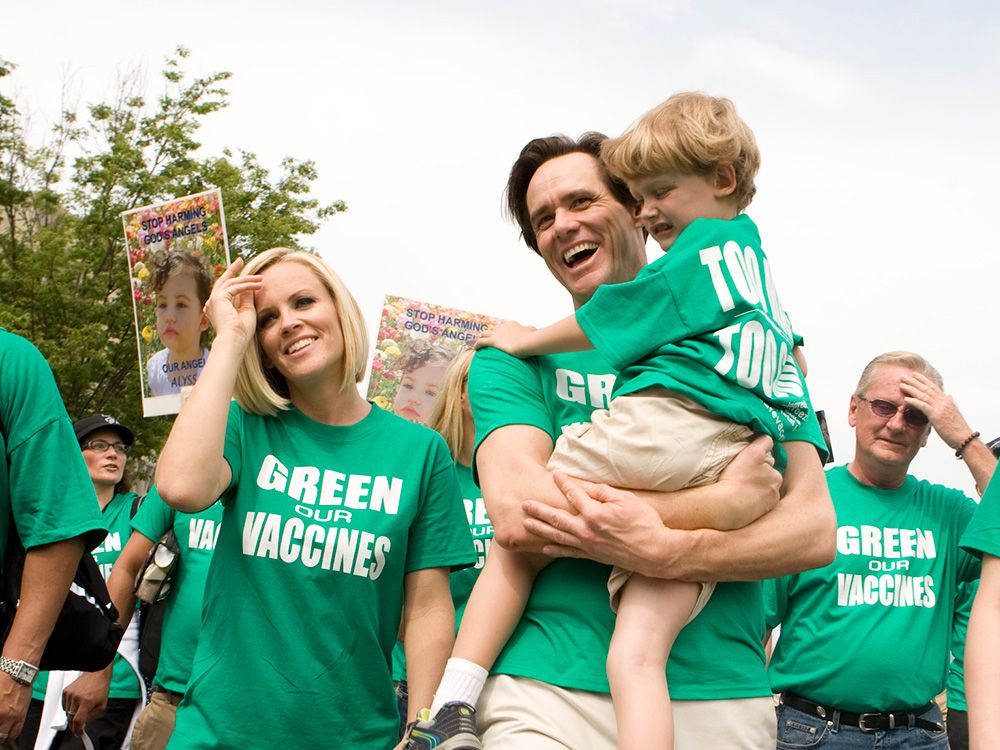
The second is that data has been submitted showing safety and efficacy of vaccination against Covid down to age five. Shots for children are also expected to be approved by the FDA shortly. This will allow all school age children to be vaccinated and reduce some of the risks inherent in the school environment. One would think, that as a society, we would make the health and well being of our young of paramount importance. We did it with Polio and Smallpox vaccinations in the past but we seem to be having more difficulty this time around. The reasons for this are multifactorial and have long and deep roots. I may consider a full essay on these later but the Manhattan tap dancing through my central nervous system precludes my ability to do that tonight.

If I had children, I would be fighting like mad to get them vaccinated but that doesn’t seem to be a universal position. Some school districts and some states seem enamored of policies designed to appeal more to their parents sense of righteous autonomy than to the safety and well being of their charges. I read the daily updates out of Florida and Texas in particular and all I can do now, after months of lunacy, is roll my eyes and move on. I suppose we’re seeing the chattel origins of family life, where a woman and children were essentially the property of a man, continuing to play out through our social DNA. If children are the property of their parents, then there parent’s wishes are paramount and sacrosanct and if they wish them to be exposed to potentially fatal diseases, that is there right. But we’ve moved away from that thinking over the last century or so to a view that children are also a societal good due to their potential to become functional and contributing adults which has led us to invest in public education, child labor laws, child protective services, the frowning upon of corporal punishment, and the like. Where the lines between a parent’s wishes and society’s needs should be drawn is ever evolving and often somewhat murky. Children are removed every day from parents who use drugs, parents who are physically violent, parents of extreme religious beliefs who deny their children medical care, and the like. Is sending children to school without masks different? Is refusing vaccinations a form of child abuse? I don’t have the answers to these questions and the Covid pandemic, having happened and changing so quickly, hasn’t really given us time to calm down, rationally think through the issues, and come together on common ground.

Too much thinking is making my head hurt. Time to knock it off for the night. I wore my mask to my talk and only took it off on stage. I washed my hands. I kept my distance. I’m a good boy… most of the time…

October 11, 2021

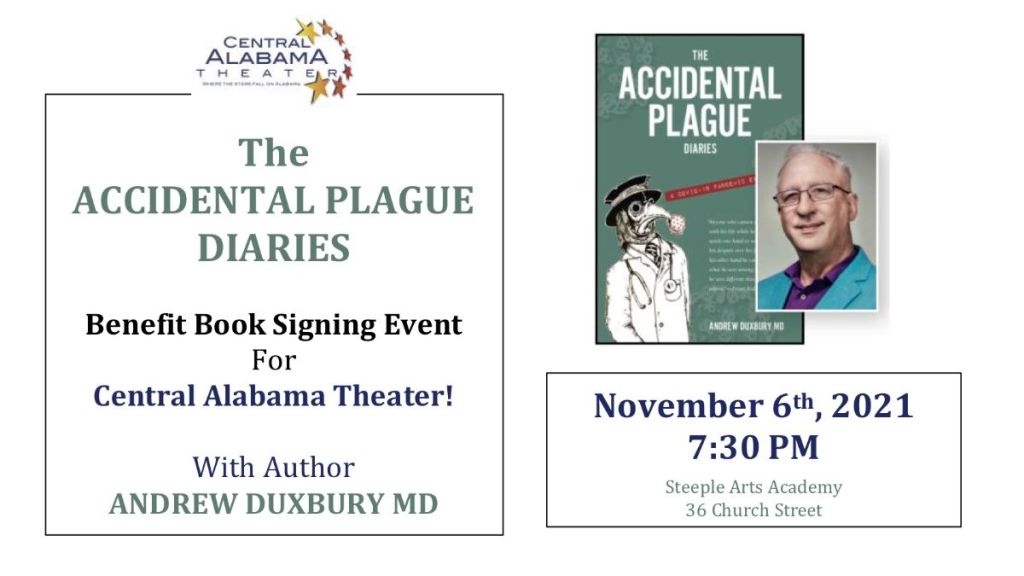
Now that the book is out and actually selling a few copies here and there, I’ve been trying to decide what the next major writing project should be.  The easy answer is a second volume of The Accidental Plague Diaries.  The published book only goes up through this January and I’ve continued to write routinely about Covid and its effects on our society over the last nine months.  By the end of the year, I should have more than enough material for The Accidental Plague Diaries: Volume Two, or The Second Year, or Delta Dawn or whatever I would decide to call it.  I’m not sure if that’s the best idea or not.  Sequels not called The Empire Strikes Back rarely live up to the promise of the original work.  I thought tonight I’d take a look at why antivaccination is such a thing and why it’s so much more prevalent in the US than in most of the rest of the world.

There’s nothing new about the willful flouting of public health dicta by certain segments of American society.  There’s a strong independent streak in the national character that flows out of the individualism of Western philosophical thought and the enlightenment; the idea that the individual is the natural building block of society and that each unique individual is to be celebrated for his or her differences is central to our governance, our economy, and our sense of self understanding.  A couple of other fundamental precepts come with this.  One is the idea of bodily autonomy.  That our bodies belong wholly and totally to ourselves and that no one has the right to tell us what to do with them against our conscience.  Of course, we have all sorts of laws and customs that subvert this. Technically, our bodies no longer belong to ourselves or our heirs after our death.  For reasons of public health, laws exist in every state making the body technically property of the state so that the state can proscribe what can and cannot be done with it postmortem.  You’re not allowed to plant your mother under your geraniums or expose your hated brother in law on the wheel for the elements and the neighbors to gawk at even though these would have been considered perfectly normal behaviors in times past. Then there’s the penal system under whose care bodily autonomy is strongly limited, laws limiting reproductive capability, rules regarding sexual mores based on consanguinity and chronological age and, of course, all the political thought of the social contract that your rights stop when your actions impinge on my rights. But this idea, which is basic to medical ethics, is what allows us a Jehovah’s witness to refuse blood products, prevents agents of the state from forcing us to donate blood or tissue, or lets us forego aggressive care at the end of life with a do not resuscitate order.  It also makes it easy for competent adults to refuse a vaccine which would benefit themselves and society as a whole.  They need not have any reason for it beyond a simple declaration of no.  A second is that if we are all different, that there must be ways of ordering us and, given the way humans categorize and find patterns, even in randomness, that there must be a hierarchy among humans with some of greater and some of lesser worth.

Vaccine mandates and vaccine refusal are as old as the country.  In the early 18th century, a West African slave of Cotton Mather, Onsemus, introduced him to the practice of his tribe of inoculating themselves with small doses of smallpox to build immunity to the disease.  When a smallpox outbreak hit Boston in 1721, Cotton Mather convinced Boston physicians to try the technique.  Records from the time showed that the mortality rate in the inoculated population was 2% compared to 15% in uninoculated individuals.  There was some push for more widespread use of the technique, but a number of newspapers were critical, including that run by the brothers Franklin – James and Benjamin.  Some years later in 1736, after Benjamin had relocated to Philadelphia, there was a smallpox outbreak in that city and Ben refused to allow his family to be inoculated.  His four year old son caught the disease and died.  Ben Franklin quickly shifted his position to pro-inoculation and deeply regretted the decision that cost his son his life.  In 1777, George Washington mandated smallpox inoculation for the Continental Army as he was losing more troops to disease than to battle.  I’m sure there was negative reaction to this decision but as it was a time of war with very real consequences should the war be lost, most of them were muted and not made much of by the writers of the day.

All of this, of course, took place in a very different society.  Pandemic illness and death were part of the natural order.  Everyone saw young healthy people sicken and die from diseases that would easily be cured today such as an infected wound, pneumonia, or complications of childbirth.  Men died young in agricultural or industrial accidents.  From early childhood, people grew to understand that the world could be a dark and dangerous place and that simple misadventure could be fatal.  For modern generations, raised in a world of antibiotics, globalism, all volunteer military, and innumerable workplace safety standards, bad has been safely removed from most of our lives for decades.  When pandemic illness struck this past year, as it always has, it struck a population with a lack of coping mechanisms and understanding about the nature of illness and death.  It’s not something that happens to people like them, so they need not take it seriously.  They need not toe the line regarding public health rules.  They can safely question expertise from the cocoon of their own thinking and develop their own alternative theories given their ability to access vast quantities of information via the internet – although they may not understand or interpret what they find correctly.  Alexander Pope put it best when he wrote ‘A little learning is a dangerous thing…’

Humans, when confronted with realities that do not conform to their expectations or experience tend to develop elaborate rationalizations and alternatives that fit comfortably within their own world view.  I went to a play this weekend, a one woman monologue based on Joan Didion’s books chronicling her personal experiences with illness, grief, and loss.  She entitled her work ‘The Year of Magical Thinking’ as she tries to explain her lack of rationality as the sudden death of her husband and the serious illness of her daughter hit her life nearly simultaneously.  I had read the book some years ago.  It was a favorite of Tommy’s.  He had seen the play in New York with Vanessa Redgrave and the material really spoke to him.  His early adult life coincided with the early wave of the HIV epidemic and he was very involved in the Birmingham gay community’s mobilization to face both the needs of the sufferers and the indifference of the general populace. I can’t remember why I didn’t go to the play with him.  I think it was on a trip he made to New York on his own for some reason or maybe it was one we made together, and I had a meeting or something I had to go to that afternoon.  It all escapes me now. Anyway, as I was watching the performance, I could not help but draw parallels between the magical thinking of Joan Didion in the face of great calamity and the magical thinking of segments of American society when it comes to pandemic response, jettisoning hundreds of years of carefully gathered data and medical facts which tell us how to respond to pandemic disease in favor of praying for divine intervention or trusting the quick cures of charlatans.

Social media has certainly played a role in the spread of fringe ideas.  I regard social media as a tool and, like any tool, it can be used either constructively or destructively.  A hammer has no moral value in and of itself.  It can be wielded with careful intent to help create something lasting or beautiful or it can just as easily be used in a malicious fashion to maim or to kill.  Facebook is the same way.  You can use it to connect and build community and share positive things, or you can use it to argue and sow divisiveness and discord.  One of the great appeals of social media is its ability to allow isolated members of outcast and minority groups to find each other, create community and build a social infrastructure.  This can be a positive and comforting thing, but it also means that all kinds of communities can coalesce, including some whose purpose is spreading a gospel far outside of usual mainstream thought.  Social media gives a platform and a megaphone allowing ideas that would once never have made it past a couple of people exchanging letters to infiltrate large groups and begin changing the terms of public discourse.  Once an idea is out there in the zeitgeist, the famed Overton window can start shifting, both left and right making it harder and harder for society to find the common ground in the middle and the compromise that’s necessary for civil social function.  We’re certainly seeing this in our politics and the result is a congress that can barely pass legislation and is no longer attending to the business of the general public.

Elected officials, of course, are no longer really responsive to their constituents, especially on the national level.  They are responsive to those who fund their increasingly expensive reelection campaigns.  The general public, of course, does not have the resources to set up PACs and funnel multi-millions to campaign coffers so politicians now cater to the large corporations and the wealthy individuals who do.  The general tilt of these funders is towards protection of their perquisites and assets so legislation such as tax cuts becomes more popular than legislation that might benefit the majority of the citizenry.  The upper middle and professional classes have been coopted into supporting this agenda by the replacement of the traditional defined benefit pension plan with the IRA and the 401K.  This particular slight of hand has millions of voters supporting an economic agenda that’s better for the stock market, in which their future is heavily invested, rather than one which might, over time, provide them with more tangible benefits in terms of more robust social and health programs.   The conflicts in society that this has put in place have been good for business.  Conflict stokes fear and anger and keeps people tuning in to media, clicking on web links, buying books with political themes, and loading themselves up with merchandise that identifies them as team red or team blue.  Politics has moved from a realm of serious thinkers and policy wonks to just another field of celebrity infotainment where elected officials jockey with each other for camera time or press mentions, adhering to the age old idea of there’s no such thing as bad publicity.

A political system that is no longer terribly interested in the people’s business leaves a vacuum for other interests to move in and take care of things that need to be seen to.  They are often economic in nature and this has certainly applied to the American health care system.  I have written at length in the past about the morphing of our health care system into a health care industry over the last half century with a completely new set of rules guiding how it works, not ones pertaining to the saving of lives and general health of the citizenry, but rules ensuring that profit is generated and flows upwards to the owners of the various components of the industry.  Most Americans are fairly happy with their doctors and other health care providers on a one on one basis.  We’re well educated, try to uphold our oaths to our patients and profession, and in general are reasonable communicators.  At the same time, most Americans recognize that the health care system is no longer serving them the way it once did.  Their doctors are all of a sudden ‘out of network’.  They receive enormous surprise bills for simple emergency visits.  They feel like they have very little control over the shape of their health care once they enter a hospital.  All of this has fed a distrust of the system in general and has helped undermine confidence in medical expertise, particularly when it’s coming from ‘the system’ rather than from an individual provider with whom a relationship has been built.  Add to this the systemic racism of American society which manifests itself in health care as it does elsewhere (not to mention such things as the Tuskegee experiments which occurred within living memory, not ending until 1972), the unfamiliarity of most providers, who come from middle and upper middle class backgrounds, with the realities of life on the lower end of the socio-economic scale, and the tendency for more and more healthcare to be handled algorithmically rather than individually, and you get a perfect storm for a patient base to become alienated from the system that’s supposed to care for it.

When you start putting all of this together, you start to see that a reaction against public health measures and vaccine mandates was probably inevitable and that the issue is not that we as Americans don’t want to be safe from pandemic disease but that we have built social structures over the last half century that make it nigh on impossible for us to be safe from pandemic disease.  Can this be fixed?  It’s not going to be easy. It’s going to take a lot of work.  It’s going to take unified messages from government and media sources which means eliminating the dichotomies and conflicts on which so much of the marketplace is based, potentially reducing profits.  It’s going to require Americans having access to health care in a form that they recognize with individuals with whom they can form relationships and develop trust, meaning we’re going to have to shift the system from one that rewards specialty care to one that rewards primary care.  It’s going to require schools that teach critical thinking and how to analyze presented information to understand what it is, what it really says, and what the motivations are of the source which presents it, not schools that are focused on teaching to the standardized test.  It won’t be easy, but nothing worth achieving ever is.

October 6, 2021

The headlines today were about the total number of Covid deaths in 2021 exceeding the total number in 2020. It’s not a totally fair comparison. Covid didn’t take hold in the US until March 2020 and didn’t begin to cause significant mortality until April 2020 so for statistical purposes, 2020 was only nine months. We’re now in early October, just over nine months into 2021 when we hit the equivalency mark so we’re actually at roughly the same place. The issue, of course, is that with our continued high levels of willfully unvaccinated individuals, we’re likely to see much higher levels of mortality continuing over the remaining three months of 2021 than we should. Will we see the same kind of numbers in 2022? Time will tell.

We definitely seem to be on the downside of the Delta wave here in the Deep South. Hospital censuses are declining and new diagnoses are fewer. Why is the wave receding? Hard to say. It’s likely multifactorial and may involve slight changes in public behavior in regards to interacting in groups as the wave was intensifying in August. Small increases in vaccination rates might have large ripple effects. There may be climatic issues at place. With luck, we’ve seen the worst of it for a while. However, human behavior being what it is, a general relaxation of masks and social distancing may lead to numbers going back up again as we start crowding indoors in colder weather. Things are certainly not improving yet in the Mountain West and in Alaska where the hospitals are past the breaking point and various triage measures have been put in place to protect scarce resources.

Should there be national standards for such things? Americans are loathe to deny anyone anything once they actually become patients in the health care industry. For forty years now I’ve observed what I call pit bull medicine. The system will sink its teeth into certain complex critically ill individuals, hang on for dear life and shake them until death or payments stop, whichever comes first. It’s become less common than it was several decades ago with the rise of palliative care, hospice programs and other more humane ways of dealing with the human condition but it hasn’t been completely eliminated. When looking around at various regional differences, I’ve always found it most prevalent in Florida and it’s one of the reasons I took the job here in Alabama over several possibilities in that state back when I relocated.

A somewhat related story about relatively recent medical history. In the not too distant past, kidney failure was a death sentence. There was nothing that could be done for someone who had nonfunctional organs charged with processing and removing the toxic byproducts of metabolism. These compounds would accumulate and their poisonous effects eventually overwhelm the body. In the mid 1970s, researchers at the University of Washington invented the first practical hemodialysis machines. Word got around about this wondrous new technology and every nephrologist was eager to have their patients selected for this life saving intervention. It was still experimental and there wasn’t money to produce dialysis machines in quantity so the slots available for patients were limited. How to decide who would live and who would not? A committee was formed. It’s membership was (and remains to this day) secret. It included physicians, ethicists, clergy, patient representatives etc. It was soon dubbed the god committee as patients would make application for dialysis and based on their rankings, some received dialysis and some did not. The federal government got wind of the concept and was upset about the idea of Americans sitting in life and death judgment over other Americans. What to do? The solution was money. Legislation was passed to make the diagnosis of End Stage Renal Disease requiring dialysis an automatic qualification for Medicare and, with a steady stream of revenue now in place, more and more machines could be built and in short order, anyone who needed dialysis could get it. The down side of this is that the profit motive has led to any number of people who other health systems would consider unsuitable candidates for a medical procedure (comatose, end stage dementia etc) to be regularly dialyzed in the American system as there’s money to be made.

I advise my patients in their 80s and above to think long and hard about committing to dialysis as it’s rough on the body, rough on life styles, and rough on families. It’s ultimately not my choice, but theirs and I will support them in whatever they choose. Those who do not choose it, but who will pay attention to diet and fluid balance and the like, will often do just as well and live just as long as those who do. The elder body can often adapt in spectacular ways if you let it and it doesn’t take that many nephrons to keep it going. Doing this sort of counseling, of course, takes time and a good rapport and knowing your patients as individuals. Learning who my patients are and their stories are what keep me interested in my professional life.

One of my rural house call patients died this past week. He was 94 so it wasn’t unexpected but he had been in quite reasonable shape. He had a sudden cardiac decompensation at home and died within 48 hours at the local hospital. He didn’t suffer unduly and he had been independent up until his final illness. He was a long time widower without children who lived in a small house in Jasper. He had a younger brother who would check up on him once a week or so. His next door neighbors were friendly and helped him out when they could. He was quiet and unassuming. We admitted him to the VA house call program about three years ago after a bad fall onto concrete in his carport which served as a wakeup call that he needed a little more monitoring than he could give himself. He was a World War II Vet, having joined the Navy in the waning days of the war. On V-J day, he was in Times Square, 18 years old and dressed in his ill fitting sailor’s whites, walking through the crowd and, through serendipity, he walked into immortality. Photographer Alfred Eisenstead, taking pictures of the revelry, snapped a photo of a kiss that afternoon that became one of the most iconic images of 20th century America and my patient unknowingly was part of it. His goofy grin as he looked at the couple helped make the picture what it was and still is. Rest well Mr. Hicks, I salute you.

October 2, 2021

The modern white coat ceremony

700,000 – that’s the number of American deaths from Covid since the beginning of the pandemic. That’s roughly equivalent to the population of Boston or Washington DC. It’s also about the same number as American deaths from HIV (just a bit over 714,000). HIV took forty years to hit that number. Covid has done it in just over 18 months. The death toll has been pretty steady over the last week or so as those sickened by the Delta wave in August are in the midst of their inevitable die off. There are still plenty of critically ill in the hospital. Even though the admission numbers on a whole are trending downwards (fortunately), the ICU numbers remain shockingly high, and mainly previously young and health people. A number of states – Alaska, Idaho, the Dakotas – continue to have maxed out their ability to care for the seriously ill and are working under various sorts of triage and rationing of care. It’s just not possible to be all things to all comers in the situation we currently find ourselves.

Someone much more intelligent than I once said of health care that it can be inexpensive, it can be universal and it can be of high quality – but it can only be two of those things at any one time. No one has yet invented a system that can deliver all three simultaneously. At the moment, given the stresses of the coronavirus, a lot of our health care is having difficulties even delivering one of these things at a time and I don’t foresee that getting a whole lot better in the near future. Eighteen months of societal stress, toxic work environments, emphasis on payment over people, bad behavior by the general public, and a host of other factors, large and small, has ground down the human capital of our system. Nurses are leaving their jobs in droves, some to do other things, some to take advantage of the enormous salaries being offered by temp staffing agencies in providing qualified bodies to desperate hospital systems. I’ve heard of travel nurses making roughly double what I make with assignments to Covid wards – and I don’t begrudge them a penny. I had my annual review this week with UAB (relax, I have a job for another year, my twenty-fourth with them) but my big comment was what is UAB going to do to help me not to choose early retirement as my best option in life. Something for both me and my powers that be to think upon.

I did a couple of Zoom book club meetings this week about The Accidental Plague Diaries, one with a civic group and one with a UAB audience. The most interesting question I got was where do I stand with the idea that the willfully unvaccinated be refused treatment for complications of Covid infection. That got me thinking about medical ethics and what I truly believe. Everyone knows about physicians and the Hippocratic oath. Most US medical schools no longer use it, as it’s something over 2500 years old and has a lot of odd things in it that probably made sense to the Ancient Greeks but which don’t really apply these days such as not having sex with the maids when making a house call and prohibiting surgery. At my graduation ceremony from medical school, we used something called The Physician’s Oath which is similar in spirit, even if it doesn’t have quite the same storied tradition. Med schools these days make a lot more pomp and circumstance about such things than they did back when I was in training. There is now a ‘White Coat Ceremony’ for entering medical students where they are given their white coats and swear to uphold medical ethics. My white coat ceremony was going to the bookstore, grabbing the right size off the rack, and being told ‘That’ll be $17.95’ by a bored cashier.

There is significant symbolism in the white coat. It’s the ceremonial robe that reminds everyone that we are descended from the priesthood, interceding with the gods for a favorable outcome in the eternal battle between health and disease. And, just like with priests, there is a sacred bond between the intercessor and he or she who seeks help. We are told things that people do not share with anyone else. We’re regarded as a safe space for unburdening of feelings, emotions, unanswerable questions. In the ideal world, the healer and patient become a dyad that together can find a path forward. The healer becomes the advocate for the patient on the journey and is answerable to no one and nothing but the needs of the patient. But we don’t live in an ideal world. In the American system, there are multiple layers of entities inserting their tentacles into that bubble. Financial, quality assurance, legal, clerical – the list goes on. It’s easy to lose one’s way. It still boils down to the fact that the physician is responsible to the patient – the one sitting in front of him/her at any given time and ethically the healer is bound to put the needs of that patient above all other considerations. Therefore, the willfully unvaccinated are as deserving of treatment as the smoker with lung cancer, the overweight with diabetes, the rock climber with a broken arm. We cannot make judgement calls on the circumstances that bring patients to us, we only look forward, not back.

The argument then becomes, what about the costs to society of these choices? Society has every right to impose whatever rules they see fit on people over these costs and that’s happening. Surcharges on insurance, requirements for vaccination to continue employment etc. But those are not rules for a physician to employ within the dyad of care. If you’re my patient, I will do whatever I think is necessary to get you the treatment I think you need to restore health and function. I may run into brick walls imposed by the system or by society at large, but then it becomes my job to try to find a way over or under or around if I can. Sometimes I win, sometimes I don’t but I have to try. I suppose this particular tilting at windmills is what gives me my love for Don Quixote. My gift to myself from my recent vacation is a hand painted tile of him and Sancho Panza.

The costs to society run up by the willfully unvaccinated are now in the billions of dollars. Money spent on acute care hospitalization, money needed to care for orphaned children, money to help support those who have survived but who are not healthy enough to return to their previous lives. Society will continue to react to that. Some of that will be through the legal system with new laws and rules but most of it, I think, will come through the economic system as corporate interests of various stripes will seek to shield themselves from losses and liabilities. Where and how will it end and what will things look like six months or a year for now? I don’t know but I imagine it’s going to be harder and harder for the willfully unvaccinated to access public transportation or venues of public accommodation. I read somewhere that a significant portion of these individuals would like to secede from the country. I wonder how their utopia would fare in a globalized world and economy without continued support from urban and coastal America? I imagine it would devolve into something akin to one of the poorer countries of sub-Saharan Africa within a decade.

It’s Saturday night. I should be out pitching the quick fantastic somewhere, but I’d rather stay curled up with the cats (one of whom leapt up on the dinner table and started lapping up my ranch dressing and had to be whacked on the butt) and a nice bottle of red wine. Be safe, be well, wash your hands, get your vaccines.

September 27, 2021

Schmigadoon

It’s back to the grind tomorrow. It’s been nice to have been off for a few weeks and had a chance to do some fun things and to rest up, but there are people to care for and bills to pay and house calls to make and all of the other usual chores of my workaday life. I’ve been spending this last day making sure I have all of my tasks and deadlines for the next few weeks ready to go. Three lectures to write -check. A show to audition for – check. Two signing events to plan – check. Various social invitations responded to and entered in the calendar – check. My next door neighbors are in the process of a major remodel. Usually, this isn’t a problem as I am rarely home during working hours but today, a day that seems to have involved workmen pounding on the shared wall most of the time, when they weren’t using power tools with various dissonant pitches, I was getting a little frazzled. At least they knocked off for an hour at lunch when I had a zoom call – a brief reading and Q and A about the book for a local civic group.

I decided to drown out the cacaphony from next door with some television turned up high and put on Apple TV in order to catch up with a couple of streaming series that have made a lot of stir in my social media circles but which I had not yet seen. The first was Schmigadoon, the send up of the golden age Rodgers and Hammerstein type American musical. I enjoyed it as I had no problems recognizing all of the tropes, visual, musical, and characterological, that the makers were lampooning. From the orchestration of the overture (right out of Oklahoma!) to deft parodies of Marian Paroo, Og the Leprechaun, Billy Bigelow, and Daisy Mae, I was smiling throughout but was rarely bowled over with laughter. It was cute and was clever but it was missing the thing that those shows all had, which was a solid emotional core. Ya Gotta Have Heart! and it was missing. I couldn’t figure out at the end who the audience for it was supposed to be. Most people under fifty or sixty wouldn’t recognize the references and the numbers of theater kids and theater queens are quite small when compared to the total population. I guess that’s a bonus for this new model of streaming services. The ability to create shows for niche audiences that need not have the best ratings.

Ted Lasso

I then turned to Ted Lasso. I haven’t finished it yet, being only on episode four, but I quite like it. What is amazing to me about the show and the character is that an example of goodness and empathy, which would have been a fairly standard type in the programming of not so many years ago is now, in the age of Trump, being seen as something of a novelty. Ted is a fish out of water, not well spoken, puts himself in ridiculous situations, but is at the center such a decent and moral person who sees his mission as helping others become their best selves, that you cannot help but root for him and the joy of the series is watching the transformations in the other characters (surrogates for ourselves and our society) grow and change under his presence. It’s the perfect antidote for these Trumpian times and it’s no wonder it cleaned up at the Emmy’s recently. Perhaps more flawed, but empathic and generally good characters will enter our pop culture consciousness and help nudge the pendulum back a little bit from the selfishness and negativity that seem to be the order of the day.

Speaking of selfishness, time to return to the Covid wars. The CDC produced a very sound scientific study of schools yesterday showing that schools with mask mandates were far less likely to have Covid breakouts than those without. It’s one of those water is wet studies whose conclusions seem relatively obvious but it is nice to see some science behind the common sense that can be used with recalcitrant school boards who feel that owning the libs is more important than protecting the health of children. The current Delta wave is going to create a huge bill to pay in terms of children’s issues in the future. The deaths are spiking and many of the dead are relatively young adults between 25 and 50 who are leaving orphaned children behind. I don’t know that anyone is tracking the number of minor children who have lost one or both parents to Covid so far but I’m sure it’s in the thousands, if not the tens of thousands. In the original waves, before vaccination, it was a tragedy but now, with the disease being more or less preventable, at least in its fatal version, these parents are choosing an idea based on fallacies and cynical political opportunism over the love and needs of their own children. When the kids mature enough to understand that MAGA was more important to their parents than they were, what is that going to do to their mental health and to their understanding of their place in the world.

War and opposing political philosophies have always created orphans but usually, those sacrifices have been made in the name of something positive, something better – a freer society for the children, protection of the populace from invasion. The current conservative philosophy as espoused by those who would deny science and public health doesn’t appear to stand for much, at least to me. It’s rooted strictly in being in opposition – to progress, to a more equal society, to benefits flowing down the socioeconomic ladder rather than up. This is my major objection to much of the current rhetoric on the right. Tell me what you want for the country and how you want to get there. I’ll listen. Throwing a tantrum at every suggestion just makes me want to put you in the corner for a time out. There seems to be some idea espoused that they want to go back, ostensibly to the America of Leave it to Beaver and Sally, Dick, and Jane. A time that never actually existed other than in carefully crafted cultural items designed to lull the developing Baby Boom into a false sense of security. You can’t go back, ever. Time doesn’t work that way. You can only go forward. The only thing that seems to motivate the way forward is entrenching a minority rule through selective legislation. You may be able to do that in the short run, but it’s rarely a successful long term strategy for societal stability.

If I have to choose between an America as embodied by Ted Lasso or an America as embodied by a horde of screaming suburbanites invading the local mall food court because they’ve been asked to do something as simple as wear a mask, I’ll take Ted. I’ll bet he keeps his hands washed, wears his mask, keeps his distance, and got his shots publicly in front of the whole team as an example.

September 25, 2021

Fall at the Seattle Arboretum Japanese Tea Garden

I’m starting to surface for air after a couple of days of torpor following the protracted trip back home from Spain. The flights were uneventful, just a lot of hurry up and wait as one usually gets these days with air travel. Air traffic appears to be picking back up. It’s nowhere as crazy as it was pre-Covid but both the Madrid and the Atlanta airports were more full than they were on the outbound journey not quite three weeks ago. No episodes of air rage or bad behavior on my flights. It may becoming more frequent as mental health in general deteriorates as the pandemic grinds on but if the airlines start sharing their no fly lists with each other and people start to find themselves barred from all air travel if they don’t act like adults rather than toddlers in a snit, that particular issue of modern life is likely to take care of itself. The only hitch in the return trip was the complete dearth of ground transportation when I landed in Birmingham. Attendees at the Furnace Fest music festival apparently commandeered every taxi, Uber, and Lyft in the metro area on Thursday. Fortunately, I have phone a friend capabilities.

The weather has broken and the humidity is gone and the tang of fall is in the air. We’re getting into my favorite time of year. I’ve always been an autumn person. Fall to me means new beginnings and gearing up for new possibilities as I have been tied to the American academic calendar since age 5. Growing up, fall also meant the glorious Indian Summer days of a Seattle September, sunny without being warm, leaves beginning to change, and a prolonged magic hour in the late afternoon with a golden light from the setting sun so thick, you can almost cut it with a knife. I’ve never seen anything quite like it anywhere else I have lived. Must have something to do with the latitude. It also means a chill in the air at night so I’ve flipped the HVAC from cool to heat. The cats, who went into hiding for the first twelve hours or so after arrival, have decided I’m me and have reemerged and are going about their usual routines. I’ve done the laundry, the grocery shopping, unpacked, and in general started the process of going back to usual life.

The number of Covid inpatients at UAB has been steadily declining. Hopefully, that means that the worst of the Delta surge locally is over and things will calm down a bit and let everyone take a breather. However, the death rate is skyrocketing (as it does about four to six weeks after a surge begins). Alabama’s death rate per population is currently the highest in the country, about double that of every other state. We had 123 deaths yesterday and our seven day average is 125 deaths a day. In comparison, Spain, where I just was, had 44 deaths yesterday with a seven day average of 64. When you consider that Spain has three and a half to four times the population of Alabama, which place is doing a better job keeping its population out of harms way.

It’s been a bit of an adjustment coming back and seeing people serenely waltz in and out of buildings without masks, hearing about local schools lifting mask mandates due to their ‘conservative values’, seeing various snake oil cures (some of which are downright dangerous like nebulizing hydrogen peroxide) being touted as appropriate protocols by people without medical training, and having prominent politicians bragging to the media about how they have spent the last eighteen months listening to professional public health advice and then doing the opposite. Just a few weeks in a society that understood and accepted basic mitigation measures as necessary for the common good and which did them without complaint or fuss and who got their vaccinations without a major blowback movement seems to have spoiled me. The State Department still has Portugal and Spain as Level 4 travel advisories (do not travel there without urgent need due to Covid risk). They’ve been listed like that since July. It’s ridiculous. I feel much more endangered here than I ever did there. If they are Level 4, we should make Alabama level 5 (and Florida level 6).

The book is continuing to sell slowly, but steadily. A big thank you to those of you who have purchased it. I have a major ask to those of you who have read and liked it. Please, please, please go to Amazon or Good Reads or any of these places and write a short review and rate it. ‘I liked it’ is perfectly acceptable. This has to do with the way the modern publishing/book world works. Automatic algorithms will start doing their thing, but only if they are prompted by people supplying them with data. A couple of other things that you can do if you are so inclined. Tell people about it (social media or in person) if you think they might enjoy it and ask your local independent bookstore to order it for you or others and to stock it. They can easily order it from Ingram Book Distributors. Book marketing on a zero budget is a guerilla affair and I need some help from shock troops.

I’m trying to decide what the last few weeks of away time and decompression has meant. Was it just a chance to get away and see a part of the world I had not yet been to? Was it a time to contrast and compare a society that has done public health basics in a non-political way with our own craziness that seems bound and determined to push the death toll ever higher? Was it a way to get my head in a different space so I know where and how to point myself next? (If it was that last one, it was pretty much a flop – I still haven’t figured out what the next chapter of life holds so I’ll more or less return to old patterns until I do). One thing I did figure out is I’d like to find a travel companion(s) for my next major jaunt. If you think you’re that person, give me a call and we’ll discuss. I don’t have my big 2022 trip set yet. It’s going to depend on Covid and work and theater and books and all the rest of the things that collide on my calendar. I do have a companion set for my trip to London at New Year’s so I’ll be able to do some compare and contrasting with how that works.

Another decision I’m trying to make. What next with the writing? A second volume of The Accidental Plague Diaries? (there will be enough material by the end of the year). Just expand the book as is with new material? Move on and try something completely new? (I do have a couple of ideas rocketing around my brain for novels and plays). Go back to my original book idea about the impact of the aging Baby Boom on the health system? Just keep writing these pieces and let them go where they go? Turn the diaries into a performance piece/monologue? (Anyone want to help me give that a go – would need a genius director…) White, a blank page or canvas. So many possibilities…

September 22, 2021

Dateline – Toledo and Madrid, Spain

Today is the last day of the tour and one more destination to hit, Toledo. Madrid is the current capital city, but the capital was only moved here in the 17th century – the Hapsburgs and the Bourbons needed more room for palaces and additional population and Toledo, the capital since the Visigoths occupied Iberia during the collapse of the Roman Empire was left in the dust. It’s only about an hour away by train, car or bus so an easy jaunt first thing in the morning. We had a few brief showers on the trip and the skies were glowering when we got there, but things brightened up considerably through the morning and our luck with the weather continued. Toledo, as the medieval capital, is very much still a medieval town, built on a high bluff where the River Tagus makes a large oxbow bend through a gorge, it was easily defensible as a walled city and it’s also easy to see why the kings scampered after the introduction of gunpowder into warfare made such fortifications obsolete. The city retains a true middle ages feel. Winding narrow lanes with no rhyme or reason; fortified buildings, some dating back nearly a thousand years; it has a sense of unreality to it as if it’s some sort of movie set or theme park and, if you go around the next corner, you may stumble into Adventureland. The approach to the city, by a winding road on the opposite side of the gorge, lets you see it displayed out before you, looking all the world like one of the city sets of Game of Thrones, I half expected the Alcazar of the Cathedral to suddenly start unfolding as a little mechanical toy.

Tour of the city on foot, much my favorite way to do things. Highlights are the cathedral – Spanish Gothic with a great altarpiece and stunning collection of El Greco paintings (he was based in Toledo most of his working life). I’ve always liked his work. It’s incredibly modern looking for a Renaissance master. I’m not sure about the Baroque addition in the apse , a dome and rococo fantasia of a back altar constructed several hundred years after the original building was finished in order to let in more light. A few other stops including a small chapel to see a massive El Greco and the original synagogue from the 11th century, built for the Jews by the Moors and looking all the world like a mosque.

Lunch in a hacienda snuggled up on the town walls. Roast suckling pig plus several other courses. Then a bus load of napping and sated tourists heading back to Madrid. Did a little last minute shopping and wandering and then back for the second gala meal of the day (not having fully digested the first) a farewell dinner (sea bass) accompanied by several wines and champagne. Dinner entertainment provided by a rather good quartet of Spanish guitarists/mandolin players/vocalists doing the few songs in Spanish that American tourists tend to know. Guantanamera, Malaguena, Granada, Bessame Mucho etc. After a cocktail and three glasses of wine, plus champagne for toasting and to accompany dessert, the assembled crew demanded that I entertain them with something. I was just tiddly enough to do it so I found a karaoke track on YouTube on my phone and gave them a rousing edition of Don’t Tell Mama. (I figured I had to do something unexpected…) Hopefully no one recorded it.

Now bed and returning home through three airports and two airplanes tomorrow. Have my passport, have my ticket, have my negative Covid test. I figure the US will let me back in.I’ll let everyone know when I have safely returned home. Keep your hands and noses clean and wear your masks indoors. Spain is lifting more and more restrictions as no one is dying over here and most of the population is vaccinated. They may be back to full normal in the new year. I wonder where we’ll be?LikeCommentShare

September 21, 2021

Dateline – Madrid, Spain

Today was our full day in Madrid. It’s a large city of roughly four million people, but the historic center where most of the interesting sights are located is much smaller and easily walkable. Cities have always been constrained by time. The inhabitants don’t want to spend more than 90 minutes a day in a commute, no matter the technology. When transportation was mainly on foot, cities could be walked across in 30=45 minutes and were limited to about four square miles (two miles in diameter). The horse and carriage opened that up some. In the 19th century, the invention of the street car and public transportation allowed for things to expand greatly and then, finally, the private automobile took over in the mid 20th century with the development of endless suburbia. It’s less of an issue in Europe than in America, but even European cities have their more modern high rise districts, usually a ways from the historical center and their far flung suburbs, usually small outlying towns incorporated into burgeoning metro areas.

I have always loved visiting the historic centers of European cities as they are designed around the pedestrian with cars as an afterthought and I have always enjoyed just walking. (My pedometer is very happy with this trip as I am averaging 16,000 – 20,000 steps a day). On my first trip to Europe, when I was 22, I crammed as much into eight weeks as I could, often sleeping on the train overnight between destinations and then covering things on foot at a fast clip. My knees are no longer that age and are complaining a bit as we approach the two week mark, but I only have a couple of days to go – they’ll make it with the help of some Arthritis strength Tylenol. I just have to keep reminding myself that 22 was nearly four decades ago. Most American cities were laid out later in historical development than European ones so they aren’t walkable in the same way. They came to be after public transportation or the car were well established and took primacy and few of them are walkable. I treasure the exceptions – Boston, New York, San Francisco, New Orleans.

The first part of the day was a bus tour of the city including some of the outlying districts. It’s my least favorite way to see a city and I can’t say I enjoyed it all that much but it did give me a chance to get properly oriented. After an hour, we ended up at the Prado Art Museum, one of the few great museums of Western Art that I had not previously been to. Multiple masterpieces of the great Spanish painters – Velasquez, Murillo, Goya, El Greco. And some decent Italian post Renaissance art commissioned when Spain was the richest country in Europe during the late 16th and early 17th centuries. Also some interesting Dutch pieces as Spain ran those at the time including most of the masterworks of Bosch. It was great fun to finally see ‘The Garden of Earthly Delights’ in the flesh for the first time. I have long been familiar with it, having had a poster of it up in my college freshman dorm room, as one does….

After the Prado, Fernando, our fearless leader, who lives in Madrid gave us a walking back streets tour of his favorite haunts. This was much more to my taste than the bus ride, as I was able to get more of a feel of the look and the rhythms of the city when not seated at a height, sealed away by air conditioning and glass. We ended up back at the hotel where I got a brain biopsy of a Covid test so I can fly back to the US in a couple of days (negative again) and then we were on our own until tomorrow morning. I used my time to do a little shopping, to wander some back streets in more usual residential areas, and to have dinner and a margarita in a little hole in the wall that turned out to have really good food. We’ve got one more tour day, tomorrow, and then, on Thursday, I have to surface back in reality. I was originally supposed to stay in Madrid until Sunday but I canceled the extra days so I would be under the care of the tour operators regarding Covid testing and flights home. After logging in something over 24,000 steps today on the pedometer, my legs are tired so I have gone back to the room early so I can be refreshed for the trip to Toledo in the morning.

There have been a bunch of Covid vaccine headlines over the last couple of days. I don’t have complete information but here are my takeaways. 1. Kids – Pfizer has released study data showing it’s vaccine is safe and effective down to five years of age. This is drug company data that has not yet been vetted by the FDA so don’t bother your pediatrician for shots yet. If the data is as clean as it appears to be, the FDA will approve shots for children 5-11 in a couple of months, at least on an Emergency Use Authorization. Moderna hasn’t released their data yet but it is likely to be similar. I haven’t seen anything about J and J for kids but it’s likely being studied. 2. Boosters – Get one if you’re immunocompromised in any way or if you’re over 65. While it’s recommended you remain on the same team, it probably doesn’t hurt to switch hit. J and J released data today showing that a booster of their formulation is helpful, but there are no formal instructions yet as we are, again, still dealing with drug company data. (I have learned over the years to take drug company data and press releases with a very large grain of salt).

We have officially passed the 1918-1919 flu pandemic in terms of numbers of deaths. Covid is now the greatest mass casualty event in the history of the US with deaths of 675,000 and climbing. The Delta spike will continue to add to the death toll at a rapid pace over the next couple of months, then there may be a lull. It’s really hard to predict. There could be a new variant with significantly higher transmission or mortality. We could have a new outbreak of politically fueled negative behaviors. A variant could outsmart the vaccine. Then there’s the whole question of Africa. A continent of poor countries that has had little luck getting any vaccine whatsoever for its populace giving a huge potential population in which trouble could lurk. We tend to forget that a pandemic is global and, for it to be brought under control, will require global solutions which means more than just the wealthy countries of the world taking care of themselves.

Tired. Must get some sleep…

September 20, 2021

Interior – Cathedral/Mosque Cordoba

Dateline – Cordoba and Madrid, Spain

And on to the last leg of the tour… The intrepid eleven (twelve if you include Fernando, our guide, font of all knowledge, translator, and general herder of squirrels or thirteen if you add in Armenio out stoic Portuguese bus driver) headed out of Granada as the sun rose. Spain is on the same time zone as France and Germany but significantly farther west which makes the sun come up late as it should be at least an hour earlier. After battling rush hour traffic in the suburbs, we entered hilly country, marked mainly by commercial olive groves of gray green trees with the occasional small town in the distance. The towns all look about the same. Whitewashed houses clinging to the side of a hill with a church and citadel on top, the citadel usually in a state of some disrepair as castles haven’t been terribly useful since gun powder came on the scene in the 16th century. According to Fernando, there are more than 2,000 castles in Spain, most of them in various states of decay.

After a couple of hours, we arrived in the city of Cordoba and were dropped near the old city. Armenio and the bus kept heading towards Madrid with the luggage while we had several hours to explore the town. Cordoba was a Roman town way back in the day and, under the height of the Moorish occupation in the 10th and 11th centuries, was the largest city in Europe with a population in excess of a million while London and Paris had fewer than 20,000 apiece. It’s wealth was fueled by its prominence as a river port, complete with Roman bridge across the Guadalquivir, and from nearby gold and silver mines. The Sultans built an enormous mosque on the banks of the river, enlarged it multiple times, and, when the Christians reconquered the city, rather than raze it as happened in most other Spanish towns, they kept it intact and converted it into the cathedral. Over the years side chapels were added and eventually, during the renaissance, a complete Latin cross nave, apse and transepts were plunked down right in the middle of the building. The end result, the mosque-cathedral, is highly unusual with elements from Arabic/Byzantine all the way through Baroque in the same building, but it kind of works in an endearing way. The old town is similar to Granada – lots of twisting alleyways with house abutting the street opening into interior courtyards with fountains and flowers.

Madrid Palace Hotel

Then, on to the train to Madrid. Non stop express of less than two hours. We arrived just after the bus and luggage and checked into the Palace Hotel, just off the main boulevard, across the street from the parliament building on one side and the Prado museum on the other. It was nearly 6 PM when I got settled and dinner was at 7:30 so not a lot of time to explore so I walked around the immediate neighborhood and ended up at the Reina Sofia museum, home of Picasso’s masterpiece, Guernica. As it’s free admission after 6 PM, score! And in I went. I’ve seen the painting reproduced many times over the years but nothing quite prepares you for the monumental size of the canvas, as large as a wall. It’s displayed in the midst of a series of galleries that puts it in context, both historic and artistic that make it even more powerful. Paintings from what I suppose is the Spanish equivalent of the Ashcan school of the early 20th century depicting the brutal conditions of urban life and factory work. The explosion of new ideas in the years leading and following World War I – Cubism, Surrealism, Dadaism. Galleries of how art was used as propaganda including posters and magazine covers. Galleries devoted to the decadence of between the wars society including a whole lot of Grosz and loops of Bunel film clips. As I was passing through these, all of the parallels between those times of wrenching change and our own came leaping off the walls so by the time I got to the Guernica canvas itself, I was in a heightened emotional state. I had to walk around a couple of blocks after to maintain equipoise. Dinner, in the gorgeous hotel rotunda, was a bit unnerving after – a sort of pleasures of the bourgeoisie built of the backs of the suffering of the proletariat moment. I had one more glass of wine than usual and toddled off to my room to ruminate.

Picasso’s Guernica

I’m sure there’s some sort of grand meditation on the nature of society, my place in the world, and how life works germinating in my brain but I’m not sure tonight’s the night to get it out. It’s been a long day and I’m going to settle in to mindless TV dubbed into some language I don’t speak very well. As one does…

September 19, 2021

Dateline – Granada, Spain

Granada, as it’s in a mountain valley near the Sierra Nevada range, was deliciously cool this morning as the mountain winds descended overnight. I actually needed a pullover for the first time this trip. It rapidly warmed up and was in the 80s by noon, but without the humidity of the coastal areas. Our guide met us this morning and we headed off to the Alhambra. One of the nice things about Tauck Tours is they arrange everything in advance so there is no waiting in line. The Alhambra is one of the most visited sites in Europe and access is strictly limited to keep the flow of visitors down to protect 13th and 14th century buildings and interiors. Tickets often have to be reserved months in advance. However, through whatever magic, we were able to walk right in through the magnificent gate of justice and spent the next two and a half hours in the halls, courts and gardens of the sultans of Granada, the last of the Muslim kingdoms on the Iberian peninsula, lasting from the mid 1200s after the fall of Seville to the Christians through a negotiated settlement and withdrawal to Ferdinand and Isabella in 1492. The fortified palace the Sultans built for themselves on the crest of the hill with its intricate Islamic decorations, beautifully hydraulically engineered fountains (still using the original plumbing system), and acres of courtyard and terraced gardens was never attacked in war. Napoleon, on leaving the city late in the Peninsular wars ordered that it be blown up to deprive the Spanish of a stronghold, but the French were only able to damage the east end of the complex due to some enterprising Spanish soldiers who cut the fuses to the munitions placed in the west end.

It’s a site that must be seen and that I cannot adequately describe. (Pictures appended, per usual in a separate post). Washington Irving did in the early 19th century in his Tales from the Alhambra, the literary work that put Granada on the cultural map after some years as a backwater. I haven’t read it (or much other Irving except The Legend of Sleepy Hollow and Rip Van Winkle) so I’ll have to take our guides word for it that he got it right, even though apparently the majority of his tales were pure fantasy with no historical truth behind them. I’ll settle for the fact that some of the Dorne sequences from Game of Thrones were shot there. What I’ve learned from this trip is how little I really know about Portugese/Spanish history. I know some of the general outlines and a few dates but that’s about it. American World History tends to focus much more on the British and the French. I’ll have to do some reading. If anyone is aware of any works that make Iberian history palatable, point me to them.

After the tour, a walk down the hill through a woodland park to the center of Granada proper. Most of the downtown area is late 19th century neo-Renaissance of no particular distinction, but coming off of the central commercial district are older residential neighborhoods dating back to Moorish times that could easily be in Marrakesh. Whitewashed walls, a rabbit warren of narrow streets and alleys, small little interlinked shops in the manner of an Arab bazaar filled with cheap stuff that seems mainly imported from India (I did not purchase). The cathedral is an amalgam of gothic, renaissance, and baroque built smack in the middle of a residential/commercial district and without a surrounding plaza making it very difficult to get back from it to get a good look. There were a number of other interesting looking old churches, some converted mosques from pre-1942. A few hours of wandering was enough so I took a taxi back up the hill so I wouldn’t have to climb. My nearly 60 year old knees are noticing the amount of walking I’ve been doing. A brief nap and then dinner and a show at the hotel. Dinner -a spicy pork roast. The show – a small revue of traditional flamenco music and dance styles. It was well done but I couldn’t help but think of Ya Ya in Strictly Ballroom saying ‘You dance the Paso Doble?’

Covid news of the day… The FDA has more or less made its rulings on booster shots clear. If you’ve had either Pfizer or Moderna and you are either over 65 or have some sort of immune compromise, get a booster. If you don’t fall into those categories, you don’t need to. Of course, getting a booster won’t hurt you there just isn’t good science that it’s of enough benefit to justify a recommendation. Those who got J and J are somewhat in limbo. The science regarding boosters just hasn’t been done with the same rigor as with the first two so there are a lot of unknowns. There are no formal recommendations yet. However, a booster, either of J and J or of either of the other two, again, is likely not to hurt and may be of some benefit, at least of more benefit than gargling betadine.

Alabama case counts are coming down, fortunately, but the death rate is going up, up 175% over the last two weeks. This is right on schedule. Remember that cases spike first, hospitalizations spike two or three weeks after cases and deaths spike two or three weeks after hospitalizations. The big increase was through the month of August so mid September is exactly when we should begin seeing mortality statistics increase. I just can’t help but feel sorry for the survivors of the recently deceased. Knowing a thing or two about grief and how it changes your world, there are a lot of people in for some very rough times over the next few years, and it’s all so unnecessary. Meanwhile, here in Spain, case counts continue to fall, vaccinations continue to rise and people don’t fuss about having to prove vaccination status or wearing masks. I’m going to miss that attitude when I return home this next week.

We’re up early tomorrow and on to Cordoba. I promise to wash my hands, wear my mask as needed and keep my distance as much as possible.LikeCommentShare