October 19, 2025

I returned to the US this past Thursday without incident. I keep expecting one of these days to be stopped by Customs and Immigration and asked pointed questions about my loyalties due to my tendency to be critical of the current administration’s approach to governance but so far it’s always been a wave on through. Maybe it’s because I’ve reached the age at which men become ‘distinguished’ and therefore am assumed not to be a troublemaker (my inner John Lewis doesn’t like that one) or perhaps it’s because I’m under surveillance and I am disappointingly visiting museums and hanging upside down from zip lines rather than meeting with leftist political figures or carrying secret cables for George Soros.

I’ve spent the weekend catching up on what piled up in my absence at work. Something over 2000 emails, chart notifications, and other pieces of miscellany that accumulated in various inboxes, electronic and otherwise. So here, on Sunday evening, everything has been tidied up until the tsunami of the average work week strikes again starting about 8 am. 19 months… and in two weeks I’ll be able to change that to 18 months. I don’t know yet if retirement from medicine is going to be piecemeal stepping back from thing at a time or if I’m going to hang a large ‘gone fishin’ sign on my office door and walk out. Question for another day.

This weekend I have been meditating on questions of community. What is it? What is mine? How do I fit into it? I’ve decided I’m rather fortunate in that I exist in so many overlapping areas that a Venn diagram would look like something I drew with my Spirograph when I was 8. If I’m not getting what I need from one, there’s usually another closely allied at hand which can help. While having this many is in some ways a blessing, in others it’s a bit of a chore. Human organizations, no matter their purpose, have similar group dynamics no matter where you go. One of the chief rules is that roughly 5% of the membership does 95% of the work and vice versa. As I’m a somewhat results oriented type, I often end up in that minority that gets the job done. I learned this at an early age from my parents. There wasn’t an organization that I or my siblings belonged to during our childhood and adolesence that one or both of my parents didn’t join and usually run. They were organized, methodical, and knew how to delegate. By the time I hit my early 20s, I was sitting on the boards of arts and human services organizations and that has continued to the current day. Sometimes I am the mover and shaker, sometimes I sit back. Usually what I ask for are defined tasks that I know I can accomplish with the time and energy I have available.

I’ve learned a lot from all of these endeavors. How to network (once upon a time I used to sit next to Maureen Reagan’s husband Dennis at our monthly Sacramento Chapter of the Alzheimer’s Association board meetings – he liked my jokes). How to use soft power. How to gently encourage. How to build consensus. How to exercise comity and get along with those with different agendas. And I think that’s what bothers me the most about our current political moment. All of those skills, which politicians have had to learn to get where they are, have been thrown out the window in favor of news cycle/meme driven immediate gratification episodes which do no good to anyone and widen chasms rather than build bridges. The president’s little video from this morning was really a new low. You can search it out for yourself. I’m trying to imagine a Roosevelt or a Reagan pulling a similar stunt and I just can’t.

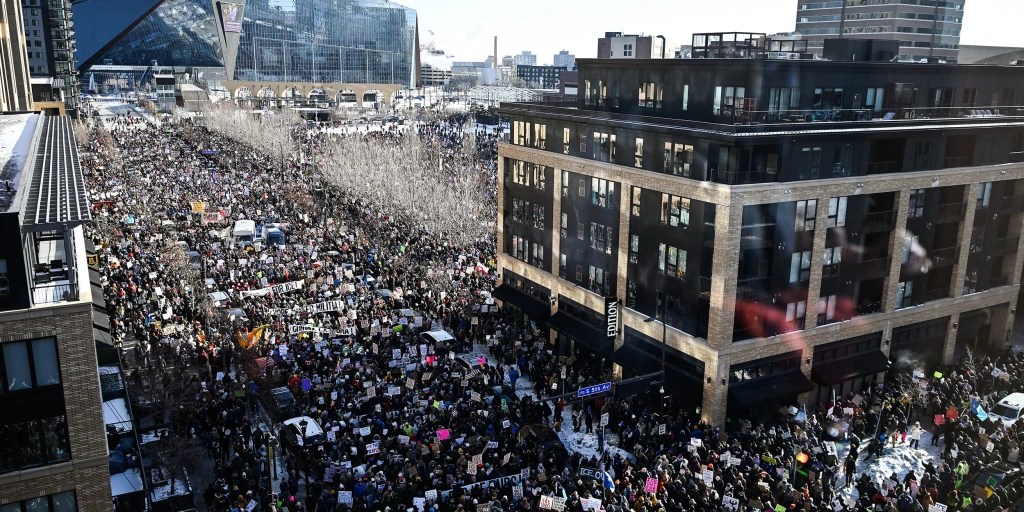
I went to the Birmingham No Kings rally yesterday morning. Somewhere around 5-7,000 people showed up at 10 am at Railroad Park. The weather was lovely. The speakers were good. It was peaceable and a lot of saying hi to acquaintances from various walks of life. While it sounds like a lot, ten times as many turn up at an Alabama home football game. There’s been a lot of criticism about the No Kings movement in that it’s performative and isn’t really accomplishing anything. I would disagree. It’s true that yesterday is unlikely to change much of anything in this political moment but it does so a few things. First, millions of people turned out all over the country with a message that they are not happy with the current administration. There were fewer than 20 arrests nationwide, nearly all of MAGA counterprotesters who went too far. This dispels the administration narrative that those who disagree with their policies are violent marxist criminimals or whatever other derogatory words they’re using this week. Second, it reminds people that they are not alone in their feelings and that community surrounds them if they’ll only reach out for it. Third, they were celebratory in nature and there’s an innate human need for celebration and who doesn’t like a good street party?

95% of the people who turned up will go back to their ordinary lives, maybe slightly more energized but the 5% who do the work will be reminded of why what they are doing matters and will push on. My best metaphor for what we are doing and why comes from theologian Howard Thurman who wrote a brief statement in 2009 regarding the work that follows the celebration of Christmas and I find that it applies here.

The Work of Christmas

When the song of the angels is stilled,

When the star in the sky is gone,

When the kings and princes are home,

When the shepherds are back with their flock,

The work of Christmas begins:

To find the lost,

To heal the broken,

To feed the hungry,

To release the prisoner,

To rebuild the nations,

To bring peace among others,

To make music in the heart.

So I am asking myself this evening what I am doing to do this work. I’m not a politician and never will be one. (Far too many skeletons in the closet for that). But, I can support those of that calling who are moving to improve the human condition and human dignity. I can help my communities of artists, LGBTQ, healthcare providers, Unitarian Universalists and all the rest who advocate for policies that improve the human condition and uplift the human spirit. I’m about to do two plays with the local African American theater and I will continue to do what I can to bridge the gaps between White Birmingham and Black Birmingham.

Last night, I went to the theater to see a production of the musical The Spitfire Grill. I can’t say it’s a particularly good piece of material. While the book is sound, the music isn’t particularly distinguished and the lyrics are hardly Sondheim – they’re not even Charles Hart and Richard Stilgoe. But the production at Terrific New Theatre was spot on. The small cast of six singers (and a seventh key role which is silent), all of whom I’ve had a chance to work with on other projects, were sensational. They’ve all either had national careers or could easily have national careers if life choices and responsibilities did not keep them in Birmingham. I am constantly amazed at the wealth of talent we have here and even more amazed that I am occasionally invited to play in the sandbox with them.

The story of The Spitfire Grill, based on a 90s indie movie that I saw somewhere along the way and have minimal memory of, is that of a young woman, paroled from prison, who comes to a small town in Wisconsin and gets a job as a waitress at the titular diner. Her arrival is the catalyst which changes the town for the better. We never know where life will take us, what form redemption will take. I’m rolling into this next week (dominated by Alabama Symphony Orchestra and Beethoven’s 9th Symphony repeating my mantra in my head. Get up. Get dressed. Go out. Do good. I occasionally want to skip that second step but UAB gets miffed when I show up to work naked.

October 15, 2025

Dateline – Playa Conchal, Costa Rica

All good things must come to an end and this vacation does tomorrow. I’m up in the morning beginning the twelve hour process of returning to Birmingham by way of the Liberia airport. As far as I know, there are no hitches but with the government shutdown affecting air traffic control, all bets are off once I hit the United States. I suppose if I get stuck in Atlanta, I can rent a car or something.

I didn’t write last night as I really didn’t have anything to say. (A pre-dinner cocktail and two glasses of wine with dinner probably didn’t help). Yesterday and today both followed the established pattern. Sleep in (which usually means up about 7:30 local time). Leisurely breakfast. Beach and pool time (with sunburn to prove it) until midafternoon with something for lunch in the middle. Clouds and rains arrive around 3 PM so repair to the room for reading, writing, and nap. Venture forth around 7 for dinner and another glass of wine. Back around 8 for more reading, writing and Netflix and eventually drop off for some uninterrupted sleep.

I have been thinking about partisan politics and healthcare policy for the last week or so after reading some rather ridiculous claims from both sides of the aisle regarding the shut down and the role health care is playing in the whole thing. For those of you solely interested in travelogue, you can stop reading now. For those of you interested in my historical analysis of health care policy, hang on. It’s a long one. It might take you more than one sitting. It certainly took me more than one to write it.

The current imbroglio in DC which has led to a governmental shut down has, at its heart, a dispute over health care. The party which currently holds power, the Republicans keeps attempting to frame it as if the Democrats are entirely to blame and that what the Democrats are trying to do is guarantee free health care to undocumented residents. This is a gross misreading of the situation (as anyone with even a modicum of intelligence and inquisitiveness soon discovers). Therefore, the Republicans are using every tool in their box to try and force this narrative through to public consciousness. This requires multiple violations of what is known as The Hatch Act (federal employees using their jobs for partisan purpose). This law has been on the books since the 1930s and has been adhered to for nearly a century by both parties until recent days. The problem is that enforcement is dependent on the White House Office of Special Counsel and that office is under a management that has no interest in stopping the promotion of Republican alternative facts.

Therefore, I thought it might be interesting to look back at the last century or so of national legislation that has impacted our health care system and look and see what roles our two governing parties have played, either for or against. It’s not as clear cut as one might think and these issues have been used over and over in political gamesmanship, usually to the detriment of the health of Americans. While most of the world has left the design and construction of their health care systems to clinicians, public health experts, and systems analysts, here in the US we have generally relied upon politicians, industrialists, and bankers. That’s why our system costs so much more and delivers so much less than any other comparable first world country.

The first movements towards health insurance and a federal role in handling the costs of health care emerged shortly after the turn of the 20th century during the progressive era. It was one of many ideas considered by Teddy Roosevelt (R) but it wasn’t considered as important as other concerns, so nothing happened on a governmental level. The burgeoning labor movement picked it up in the years leading up to World War I with the American Association of Labor Legislation drafting a model bill in 1915 and beginning to lobby at the federal level with the Woodrow Wilson (D) administration. The American Medical Association joined in and there was some traction until 1917 when political conditions changed. First, life insurance companies lobbied against the bill, feeling that the availability of health insurance might eat into their profits. Second, more conservative state medical societies challenged the national leadership over issues of federal control over health care decisions. And lastly, and most importantly, the US entered World War I. Germany, the enemy, had a robust social insurance system that included health care. The idea of the US government providing health benefits became entangled with the World War I era Red Scare with the Prussian Menace of socialist programs being inconsistent with American values. Le plus ca change le plus de meme chose.

During the roaring 20s, health care was not an important part of the American economy. The average American family spent more on cosmetics per year than on health. Most health care happened in the home with mom or granny providing the nursing care. Physicians were generally engaged in primary care and lived and worked in a community of people whom they came to know well. Hospitals existed, but for certain specialized services and were, in general, owned by not-for-profit groups with specific charitable mission. Hospitals were places most people avoided but could provide surgical services, quarantine services (mental health, tuberculosis), care for those without intact family structures, and training for the next generation of providers.

In 1929, with the economy careening towards The Great Depression, health costs were starting to rise. Justin Ford Kimball, the then vice-president for health facilities at Baylor University in Dallas Texas, came up with a novel idea. His institution had just built a new hospital and was having difficulties filling the beds. The middle-class workers of the area were becoming concerned with rising costs and being able to afford health care. Kimball struck a deal with the Dallas teachers union. If union members would pay 50 cents a month to Baylor, they would become entitled for up to 21 days of free care at Baylor’s hospital should they need it and the first American health insurance plan was born. Ten years later, in 1939, after a number of other such arrangements began to spring up, an association of plans felt to be providing value and service were given status by the American Hospital Association and given the symbol of Blue Cross plans. At roughly the same time, the loggers and miners of the Pacific Northwest, who had high rates of occupational injuries and illnesses, had employers who recognized the need for keeping a healthy workforce and began contracting with local providers. These plans adopted the name Blue Shield. The two groups formally merged in 1982.

At the same time as the emergence of the Blues, the federal government was starting to get interested again in health care and its costs. When Franklin Roosevelt (D) proposed the Social Security Act in 1935, one of the benefits that he wanted to see included was a national health insurance plan. However, as the AMA had by this point taken the position that any government intervention in medical practice was ‘socialized medicine’ and to be opposed at all costs, it was decided to leave this particular piece of the legislation out as its inclusion might endanger the passage of the bill as a whole. There was another attempt at a national health insurance bill in 1939 which would have given federal block grants to the states to set up their own programs, but FDR never really got behind it, and it withered on the vine.

In the early 1940s, a new bill, known as the Wagner- Murray-Dingell bill, which would have established compulsory national health insurance was drafted and named after the three Democratic senators who pushed it. It was reintroduced every year from 1944-1957 under presidents Roosevelt (D), Truman (D) and Eisenhower (R). Roosevelt was preoccupied with World War II. After the war, the cause of national health insurance was championed by Harry Truman through both of his terms. He had to contend with a Republican led legislature who refused to consider the bill. In addition, the anti-communist sentiment of the McCarthy era burst forth and the AMA, in particular, was happy to taint national health insurance with the ‘socialist’ or ‘communist’ label making it impossible to move forward.

At this same time, a historical accident was changing the playing field. During World War II, when many of the able-bodied men were out of the country fighting, the heavy industrialists charged with making war materials hired women to build the aircraft and ships and munitions necessary for the war effort. It didn’t take long for the titans of industry to figure out that women had domestic duties outside of the assembly line. If they or their children became ill, they would miss shifts and slow production. Henry J. Kaiser, of Kaiser steel, pioneered the idea of corporate responsibility for the health of its workers in order to maximize production providing company subsidized health care to employees and their families. A few years later, when the men returned from overseas and went back to work, heavy industry found itself with a dilemma. Wage and price control legislation, left over from The Great Depression, was still in effect. Higher wages could not be used as an incentive for hiring so, instead, benefits were placed on the table including health insurance, leading to the development of our employment-based health care system which took root nowhere else. The government encouraged this by making these benefits tax exempt on both the employer and employee side via various tax reforms introduced between 1943 and 1954.

In the 1950s, a combination of factors collided leading to a more urgent need for the federal government to take a hand in health insurance. The explosion of medical technology and understanding fueled by the war effort, the widespread introduction of antibiotics, and the growing reverence of American culture for physicians and other providers were leading to a switch in the centering of health away from the home to the hospital and driving the idea of American exceptionalism in medicine. (A reputation deserved at that time). This in turn, was leading to a significant increase in the cost of health care for families, especially those who were excluded from the employer-based model of health insurance due to age or disability. As hospitals were still, for the most part, owned and operated by not-for-profit entities of charitable mission, they were starting to feel a financial squeeze from unreimbursed care from people demanding the new treatments American medicine could provide but having no real means to pay the bill and trusting in the charitable mission of the hospital to assist with that.

It was President Eisenhower ( R) who recognized the significant issues regarding aging and employer-based health insurance and he led the first White House Conference on Aging at the end of his term in 1961. After the assassination of his successor, President Kennedy (D), Lyndon Johnson (D) was able to get various health and welfare programs through congress in late 1964 and early 1965 as part of his Great Society plans which aimed to eliminate poverty. Medicare was signed into law as an amendment to the Social Security Act in July of 1965. An additional amendment to the Social Security Act established Medicaid, health insurance for the impoverished. While Medicare is a true national health insurance program, Medicaid is an optional program for which the federal government provides funds to states to set up their own systems and it varies in each state. In fact, it took nearly twenty years for all states to sign on. Arizona was the last state to do so in 1982.

The creation of Medicare and Medicaid allowed for more and more money to enter the health care system and, by the 1970s, several things began to happen. First, with new treatments and technologies plus the need to build new facilities for these and to train providers in their appropriate use, medical costs began to increase and rise at a rapid pace. Second, the titans of finance began to notice the amount of money entering the health care sector of the economy and began to form corporate entities to harness and take advantage of these dollars. Health care was pretty much a not-for-profit enterprise until 1973 when Richard Nixon ( R) signed the federal HMO act, championed by senator Teddy Kennedy ( D) as a way to curb medical inflation. It allowed for private enterprise to set up health maintenance organizations (which could be for profit) and cleared away bureaucratic red tape in order for them to compete with the traditional health insurance offered by the Blues. These new HMOs began to buy up pieces of the health system and organize them into networks of care and began a process of acquisition and conglomeration that continues. Their first attempts to control costs were to reduce access through gatekeeper mechanisms which were resoundingly hated by most of the population. Their next attempts, by creating networks and reducing choice in that way, as they were more stealth, worked better.

Throughout the 1980s, the competition between access, quality, and cost dominated health issues. Medicare had a major reform in 1983 with the implementation of diagnosis-related groups and batch payments to hospitals signed into law by President Reagan ( R). But there were bright spots. At the time, hospitals, becoming more and more concerned about the bottom line due to corporate influence, were becoming more and more involved in a practice known as patient dumping. Refusing to treat or actively transferring patients with emergency conditions from private to public hospitals with many cases reported of horrific outcomes due to delays in care. Congress, with a Republican controlled senate and Democratic controlled house passed the Emergency Medical Treatment and Active Labor Act and it was signed by President Reagan ( R). This law states that no hospital which receives federal funds may refuse to treat a patient presenting with an active emergency condition until that patient has stabilized. It does not allow for any discrimination based on any status including citizenship or documentation. (This is the free medical care to illegal aliens that the Republicans are currently ranting about – notice who signed it into law).

Reagan waded into health care one more time at the end of his political career. There is some speculation that he was somewhat chagrined by his mishandling of the HIV epidemic in its early years and was trying to make amends through EMTALA and, in 1988, the Medicare Catastrophic Care Act. The intent of this piece of legislation was to protect seniors on Medicare from medical bankruptcy. It had become relatively common knowledge, by this time, that seniors were spending a greater portion of their incomes and assets on health care than they had prior to the introduction of Medicare in 1965. The reason for this was that elders were now recovering from acute illness and living longer and developing chronic illnesses requiring supportive care that was not part of the purview of Medicare such as assistance with basic activities of living at home. The legislation was designed to make Medicare into a stop loss program. All Medicare beneficiaries would have a deductible but once that was met, if their health costs went beyond that, Medicare would step in and keep them from having to pay more. In order to raise the additional dollars for Medicare to cover these expenses for the few who would need them each year, congress raised taxes, but solely on the Medicare beneficiaries who would benefit from the program. The elder lobby went ballistic and flexed its muscles with significant strength for the first time. Their bone of contention was that this should not be a cost placed solely on the shoulders of elders but should be borne by all of society. The backlash was so severe that congress repealed the measure before it went into effect.

The battles over health care have continued pretty much unabated in more recent decades. In 1993, newly sworn in President Clinton (D) was determined to tackle the increasingly dysfunctional American health care system.. He had campaigned heavily on health care reform and was determined to make sure that all Americans could access quality health care at a reasonable price. He appointed his wife, Hillary, to lead a task force to create legislation which would accomplish these goals. She gathered all of the best minds she could in closed door meetings in DC and prepared a more than thousand-page bill. The lack of transparency and the time it took for her to put her plan together helped seal its doom. The health insurance industry, which would have no longer needed to exist had the plan gone forward, sponsored a very effective television ad campaign known as the Harry and Louise ads to turn public sentiment against the plan. The Heritage Foundation and Bill Kristol rallied the conservative movement against the plan and, perhaps more importantly, against the first lady. When Clinton gave his major address to congress on health care in September of 1993 urging the passage of his bill, it was already too late. Key congress folk, who had been kept out of the closed-door meetings were lukewarm in their support. The bill never got a hearing in its original form. Some watered-down compromises were floated but got no traction. The American public, leery of Democrat controlled big government fueled by this battle, voted in the modern movement conservatives led by Newt Gingrich in the midterms of 1994 and that was that.

The close fought election of 2000, eventually decided by the supreme court, ushered in a new Republican administration under President Bush ( R). His first term was dominated by the tragedy of 9/11 and his misguided invasion of Iraq in response. Later, after the 2002 midterms, when the Republicans held the presidency and both houses of congress for the first time in nearly fifty years, attention turned to domestic matters, especially as congress had been getting an earful regarding medical inflation, especially drug prices from their constituents. Seniors, in particular, were being hard hit as Medicare had no drug benefit. This was not due to neglect but rather to the philosophy and design of the program.

When Medicare was enacted in 1965, the chief issue was that elderly were excluded from hospital and other care for illnesses for which modern medicine was developing effective treatments. Medicare was created to allow elders access to the health care system for treatment of acute illness so that they could be improved and go back to productive lives. Medicare was relatively unconcerned with chronic illness. A much smaller percentage of the elder population at that time was disabled by chronic illness. Acute illness carried them off before they could settle into years of debility. Daily medication is not, in general, necessary with acute illness. That requires short courses or medications administered in health care facilities – items covered by Medicare. Taking pills daily for years on end at home was not something that anyone was concerned about in 1965. This prompted congress to pass the Medicare Modernization act in 2003, signed into law by President Bush ( R) in December of that year. The MMA has two chief sections: Medicare C which formalized HMO plans offered by private insurance companies as Medicare Advantage which seniors could elect to replace their traditional Medicare. These plans offer all Standard Medicare benefits and often a little lagniappe like a gym membership but are profit driven. They make their profits by restricting benefits through restricting participants to certain networks of providers (not necessary in traditional Medicare), prior authorization procedures, and strict scrutiny looking for reasons to deny benefits. These plans have been a goldmine for private health insurance but not such a bargain for the tax payer as the cost is roughly 27% more per capita than traditional Medicare. The other is Medicare D which is a drug benefit plan. It is best known for its infamous donut hole – it stops paying benefits once a certain amount is paid and then picks up again on the other side for ‘catastrophic’ cases and resets every year. There were other clauses inserted to benefit the insurance and pharmaceutical industries such as one preventing the government from negotiating price reductions with drug companies and buying in bulk for Medicare purposes. Ultimately the law, still in effect, became a very convenient mechanism to transfer wealth from the government to the corporate side of the health care industry and helped accelerate the costs of the system.

When the Democrats regained control of the White House again with the election of Barack Obama in 2008, there was significant pressure on the administration to do something to improve access to the health care system due to the high number of uninsured priced out of the system and the continued skyrocketing costs within the system. The Obama team knew all too well about the failures of previous years such as the debacle of the Medicare Catastrophic Care act, the collapse of the Clinton health plan, and the dubious financial issues embedded in the Medicare Modernization Act. The Obama team, knowing that they did not have the votes for true single payer or national health insurance, instead looked at proposals made by Republicans in their attempts to head off such major changes. The Heritage Foundation, a right wing think tank, started drafting what they called market-based health care reforms built around insurance exchanges and an individual mandate that all must have insurance but that there should be various means of obtaining it. These ideas were put into practice in the state of Massachusetts under Governor Mitt Romney ( R) in 2006 and proved fairly successful.

Obama, with a Democratic majority in congress, signed the Affordable Care Act into law in 2010, although most of its provisions did not come into play for a few more years. Even though the legislation was built on Republican philosophy and models, the Republican party did not want to give Obama a legislative win and swung into action to denigrate the law from its inception. Several Supreme court cases knocked out some of its underpinnings such as the individual mandate and the requirement that states participate through Medicaid but what remained worked relatively well. The Republicans continue to threaten to throw the whole thing out in order to tarnish Obama’s legacy, but they have nothing with which to replace it.

For the insurance exchanges to work and for premiums to remain affordable, there must be federal subsidies in place to help regulate the marketplace. Those subsidies were set to expire after a set period of time, based on the assumptions of universal participation which never happened thanks to the supreme court rulings on the Republican lawsuits. They end at the end of this calendar year. If those subsidies are not extended, people who get their insurance through the exchanges will see their premiums skyrocket to unaffordable levels. This is what the Democrats are holding out for currently. They want the Republicans to agree to continue those subsidies and aren’t interested in coming back to the table as long as they refuse. President Trump ( R) and his administration and Mike Johnson and the Republican house caucus are refusing and mischaracterizing the whole fight as being about Democrats wanting to give free healthcare to the undocumented. This is simply not true. The only care undocumented people are entitled to is emergency care under EMTALA as we as a country, forty years ago, thought it was a bad thing for desperately ill people to be turned away when life saving care was available.

Now you know far more about partisan politics and American health care policy than you ever wanted to. What have I learned after cogitating on all of this and spending a few hours writing it down? 1. None of what’s going on is new. Our great grandparents were having the same arguments and our great grandchildren are likely to do the same. 2. The incremental and accidental ways in which we change our health system don’t work very well. Perhaps it’s time to try something more drastic. 3. If Ronald Reagan were still around, he’d be drummed out of the modern Republican party as a RINO.

October 13, 2025

Dateline – Playa Conchal, Costa Rica

I’ve looked at the various off site excursiont that are offered and most of them strike me as being rehashes of things I did this past week (often in the same places) so rather than go trekking off, I think my best use of the next couple of days is a combination of thinking and drinking, writing and citing, and snoozing and choosing. I don’t get a lot of times to completely unwind in life and there are worse places to do it then a resort on the Pacific Ocean in the tropics in company with the birds and the strange rodents, and the iguanas. One very large and venerable iguana is, I swear, trying to make friends as he appears out of a tree and saunters my direction every time I’m in the pool area. He’s probably looking for something to eat but I am mindful of the multitude of ‘Don’t Feed the Animals’ signs posted everywhere.

The weather pattern is holding stable. The sun was out and it was a glorious and clear morning so I got up, had some breakfast with a mimosa, and headed to the beach, plunging into the Pacific. The surf was a bit stronger than I expected so I didn’t venture out too far. There was also a major drop off about ten yards out from shore. I am a reasonable swimmer (all Seattle raised children learn to swim early as self preservation – most social gatherings in the summer revolve around water activities) but am out of practice and not as young as I was so I pay fairly close attention to waves and tides and currents. (Having a father who is a physical oceanographer also gave me a very healthy respect for the power of water). After a few hours, I switched back to the pool and my iguana friend, had lunch, another drink (or two) and relaxed in general for the afternoon. The clouds rolled in around two in the afternoon but, for once, the rains held off until about dinner time so it was possible to remain in the pool area until it was time for a mocha and eventually dinner.

As I don’t have much else to report in regards to travel, I’m going to fill out this entry with something I’ve been working on for a while and which I think I’ve finally got nearly right. Feedback is welcome. I therefore present: Dr. D’s Ten Commandments of Aging Successfully.

Dr. D’s Ten Commandments of Successful Aging

1. Thou Shalt Choose Thy Parents Carefully

You’re never going to be any better than the physiognomy and physiology allotted to you by your genetic makeup. We are all given gifts by our parents. Some of them are positive, some are negative. The trick is to figure out which combination you inherited and play to its strengths.

2. Thou Shalt Heed the Lessons of Thy Mother

Most of us were raised with a maternal figure who attempted to teach us the basics of healthy living. Eat a balanced diet. Get some sleep. Go outside and play. Get some exercise. Turn off the TV. Read a book. Those truisms, passed down by mothers since time immemorial exist for good reason. They are the building blocks of successful adulthood and aging. Think back on them and incorporate them into your living patterns.

3. Thou Shalt Not Fall

There is nothing that will change the life and function of an aging adult for the worse faster than a bad fall and injury. We lose our ability to balance on two feet as we age for a whole host of reasons and our vanity often keeps us from taking the steps necessary to do the simple things necessary for fall prevention. As I say to my patients repeatedly: Floor hard! Fall bad! Use stick!

4. Thou Shalt Treat Medications with Proper Respect

Our culture assigns a great deal of the magic of the healing process to the physical object of the pill and therefore we believe that if one is good, five is somehow better. Practitioners are seduced by this thinking as well and are very good at adding medication but not good at stopping medication that may no longer be appropriate or useful. The best way to think about medicines is that they are controlled doses of poisons – substances which when taken into the body cause a physiologic alteration.

5. Thou Shalt Live with Moderation

We live in a culture of excess. Super size it! All you can eat! Get the biggest house you can afford! As we age, those trends can trap us in patterns which make the compromises necessary for successful aging harder to implement. Also, life’s little pleasures are usually fine in small to moderate doses but when we go full steam ahead, we can get ourselves in trouble.

6. Thou Shalt Treat Healthcare Professionals as Partners

Doctors and other practitioners aren’t there to tell you what to do. They are there to share their expert knowledge gained from education and experience and proffer advice. They don’t go home with you and they can’t make you change behavior in any way. Only you can do that. At the same time, while they can’t tell you what to do, don’t try to tell them what to do. You don’t have the knowledge base they have no matter how much Googling you’ve done. Work together.

7. Thou Shalt Prepare for Change and Accept It

We are all aware that a 5-year-old, a 15-year-old, and a 25-year-old are all very different from each other in function and physical being. The differences between a 65-year-old, a 75-year-old, and an 85-year-old are nearly as great but we don’t culturally understand that in the same way. If you try to create a static life in which nothing changes, the mismatch between your body and function and that life will get exponentially greater as the decades advance and will create innumerable issues for you and your family. Understand that life is change and go with it.

8. Thou Shalt Hold a Sense of Wonder and Optimism

When social scientists have looked at populations that have aged successfully into the 10th decade and beyond, they have tried to find the common factors that allow one to achieve the century mark. Almost everything falls out with statistical analysis with the exception of one thing. A sense of looking forward to the future rather than dwelling in the past. Always focus on what you can do rather than what you can no longer do due to the inevitable changes of aging.

9. Thou Shalt Make Health Decisions For You, Not Others

You are a unique individual. You understand better than anyone else what is right for you; whether that’s living patterns, medical treatment options, or what sort of symptom burden is tolerable. When faced with choices, and often in aging there are no good choices, just choices, make them based on what it right for you. Don’t try to second guess what would be better for a spouse or for children and grandchildren. As a corollary to this, begin conversations regarding personal wishes long before such conversations are necessary. There’s a campaign called ‘Let’s Talk Turkey for Thanksgiving’ which encourages older adults to initiate conversations regarding morbidity and mortality when the whole family is present and Thanksgiving is often one of those rare times.

10. Thou Shalt Trust in Luck

What will happen to each and every one of us as we age is going to be a combination of genetics, life choices, and sheer dumb luck. Always trust that luck will be on your side. Expect the best, prepare for the worst, and take what comes.

October 12, 2025

Dateline – Playa Conchal, Costa Rica

Today was another low key travel day. The bowlers must have been partying hard last night as the breakfast room was not too crowded this morning. I’ve been doing a bit of a hybrid in terms of breakfast food – some Costa Rican, some American. As long as I get my fresh pineapple I’m happy with whatever else is on the menu. I’m not overly fond of tico gallo (black beans and rice) which is the local breakfast staple but I’ve certainly seen stranger things on breakfast buffets, especially in Thailand.

The weather remained somewhat gray and rainy this morning but, as it is Sunday, the traffic wasn’t too horrific and the transfer to the airport was a breeze. I was booked on a local Costa Rican airline from San Jose to Liberia, about 100 miles northwest near to the border with Nicaragua. The country is so small that there aren’t a lot of domestic flights and the domestic terminal at the airport consists of two gates. The planes are all about 12 passenger capacity with minimal room to move about. I am not a fan of small planes. I’ve been up in a few and, in general, I’ve learned to close my eyes and wait for it to be over. I think I was scarred the first time I was up in a small plane. I was 19 and had gotten a job working on the U of W research vessel for the summer running water sampling equipment while it cruised the Gulf of Alaska and the Bering Sea. In order to meet the boat, I had to fly to Anchorage, spend the night, and then catch a small plane to Dutch Harbor in the Aleutian Islands. I did fine with the flight and got a great aerial view of Southwest Alaska on the way and then we hit the landing. Apparentlly the airport at Dutch Harbor requires you to fly straight at a mountain wall before banking into the runway. I was sure we were going to smash into that cliff face and I’m pretty certain my issues with small planes stem from that moment.

Fortunately, the flight from San Jose to Liberia, even in a small prop plane, was only about 40 minutes long and, as it was overcast, was mostly accomplished in fog. I landed, found my ground transportation, and began an hour and a half drive from the airport to the Westin Playa Conchal resort and spa on the coast some thirty or forty miles away. The drive was through the lowlands, so mainly flat. It was misty and grey so I didn’t pay a lot of attention to scenery along the way as we appeared to be driving through mainly agricultural land.

I arrived at the resort in time for a late lunch, checked in and got the lay of the land. It’s been a while since I’ve stayed in a Latin American all inclusive beach resort (Steve and I did a bunch of that. Not so much with Tommy as he was against the beach due to his tendency to sunburn within about fifteen minutes of going outside). They don’t seem to have changed a lot. This one consists of a lot of eight unit bungalows scattered through manicured tropical landscaping. It ends in a very nice beach. The restaurant consists of a number of buffet stations of various types – Latin American, meats, Italian and Asian. The drinks are included. The pool is large and relatively warm with a swim up bar. I realized I had accidentally left my bathing suit in Manuel Antonio so I bought myself a new one with three toed sloths on it at the boutique. The whole thing gives White Lotus vibes. No incest, gunplay, or drug use as of yet but it’s still early. I was texting earlier with a friend who said I needed to be a White Lotus character. Mike White needs to write a gay man of a certain age travelling alone to add to his mix. I’ll be happy to chat with him about it if anyone knows him. I’m casually acquainted with his father through LGBTQ circles but I’ve never met him.

I haven’t figured out what I’m going to do with my time here yet. I’ll check out the excursions to see if there’s anything of interest that doesn’t overlap what I’ve already done. I may just read on the beach. I may sort out my writing projects and put together a schedule so that I actually start to get things finished. I was just emailed and informed that I have been cast not in one, but in two plays at Encore Theatre between now and Christmas so maybe I’ll begin working on lines. That is if I get sent scripts. I’ve also got a couple of legal cases that I have to finish up. I don’t see boredom setting in. As there may not be that much happening, I might not do a daily travelogue as is my usual habit the next few days. We shall see.

October 11, 2025

Dateline – San Jose, Costa Rica

Today was dreary and full of rain. Which worked out nicely as we had little to do other than make our way back from Quepos to San Jose. Fortunately, the roads were not crowded, the bridge under constant construction which could cause delays of up to an hour was crossed without issue and we were back at the Radisson San Jose where we began a week ago by midafternoon. When we left, the Radisson was full of teenagers here for some sort of youth soccer tournament. This time, it’s full of bowlers here for major bowling competition happening over the next week. The teens were less rambunctious.

The highlight of the drive back was the sighting of a pair of scarlet macaws in a coastal tree which led to an unscheduled stop. I used to have a fantasy of owning a scarlet macaw as they’re such gorgeous birds but having now seen them flying in their natural habitat, I could never do that. I’m becoming a softie in my old age. After a nap and a walk, the group gathered one last time for a farewell dinner – at a Vietnamese restaurant in a Latin American country. The food was quite good. I had a rice noodle bowl with pork meatballs. The organized tour may be done but I’m up in the morning to catch a puddle jumper at San Jose airport to the town of Liberia on the North Pacific coast for my few days of R and R in Conchal at the Westin.

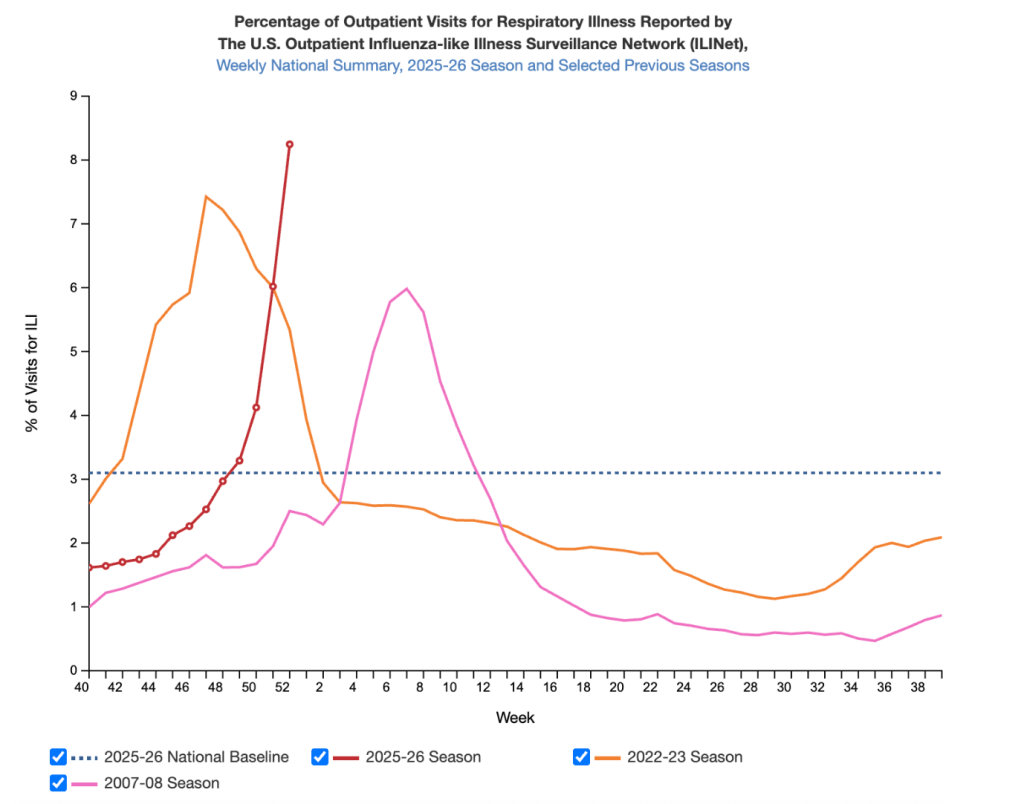
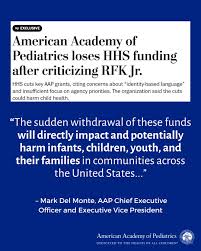
The news out of DC is stunningly bad. Using the shut down as cover, the administration more or less gutted the CDC last night pretty much eliminating the teams that keep the food supply safe, track epidemics and infectious disease and let the health system know about what’s happening, assist foreign countries with serious outbreaks so that nasty diseases over there don’t spread here in this age of global travel, monitor respiratory viruses like the flu and help understand mutations and changing strains so that things like flu shots remain effective etc. etc. I can think of only a few reasons why these moves were taken. 1. They believe that if there is no information available regarding public health issues, that they won’t need to respond. 2. There’s been a calculated decision to knock out the supports that allow us to live long and health lives so that there will be fewer outlays for support in older age by the government. 3. They’re somehow conflating other public health initiatives with vaccine policy and they’ve decided destruction of public trust in vaccines is good short term politics. 4. They’re feckin’ idiots. It’s likely a combination of all three.

The consequences that are coming are: a) there will be a resurgence of childhood diseases previously conquered and children will die needlessly. I’m really expecting a polio outbreak with kids in iron lungs within the next five years. b) there will likely be a collapse in the ability of the population to access protection against seasonal respiratory viruses of all stripes after this coming year. c) some really nasty bug will arise in Asia or Africa and will come to this country and we won’t have the tools to contain it and it’s not going to limit itself to ‘othered’ populations.

Today is October 11th. It’s National Coming Out Day. I came out many decades ago in a totally different world where there were very real risks to my career, social standing, finances and various other things. But it was a necessary step in my evolution as an authentic adult. Besides, there was no way Steve, who came out at age 14 in high school in the early 60s when such things simply were not done, was going to allow me to not be who I am once we became a couple. For a while there, with the Windsor and Obergefell decisions and enormous shifts in the culture, coming out became less of a big deal. But we’re in a different time now where LGBTQ people are being ‘othered’ by powerful forces at a rapid clip. Books are being banned. Symbols of LGBTQ life are being erased from the publc square. Business is afraid to openly support us for fear of running afoul of the government. I made it through the 80s as a gay man so I have full battle armor, psychic and otherwise and am not afraid to use the skills I’ve learned.

Speaking of Steve, today is also the 57th anniversary of the first service held by Troy Perry founding what would become the Metropolitan Community Church, the first religious denomination created to specifically tend to the spiritual needs of the LGBTQ community. 20 year old Steve was one of the 12 attendees at that first service in Troy’s living room making home one of the 12 apostles of MCC. (He was there because he was the window display guy at the Santa Monica Sears where Troy ran the notions department). This means that Steve, were he still living, would now be 77 – he would not be thrilled. Troy is now 85. I’ve met him a few times over the years. As far as I know, he’s still doing OK.

The Saturday after I get back is the No Kings Day protests. I am going to go to the Birmingham gathering at Railroad Park as I take my first amendement rights of freedom of speech and freedom of peaceful assembly and protest very seriously. Will there be trouble? Unlikely in Birmingham. But I do expect the administration will try to goad violent action in some other locales. I hope people are smart enough not to take the bait. I have a couple of notions regarding a specific message I want to send. One is to show up as the Ansager from Politically Incorrect Cabaret with a sign regarding how PIC stands for freedom of speech and expression. The other is to show up in my plague doctor get up with a sign about how the whims of kings keeps me in business. The time for standing on the sidelines is rapidly passing. I’m in a position where I can put my body on the line for the good of the nation if necessary. No one depends on me and my working life is more or less ending.

It’s raining again. I can hear it outside the windows. I love lousy weather when I’m comfortably inside looking out.

October 10, 2025

Dateline – Manuel Antonio, Costa Rica

Today was a day for nature watching and walking and swimming in the sea. My schedule is adjusting to Costa Rican rhythms which revolve around the sun. Everyone is up earlier around 5:30 or 6 as it’s cool and the light has returned. As this is the tail end of the rainy season, sunshine tends to last until early afternoon when the clouds blow in for afternoon and evening rains which range from mist to gullywasher. The sun sets suddenly around 6 pm so everyone scrambles home for dinner and everything is quiet by 8 or 9 pm. No nightlife to speak of – at least in the smaller country towns. San Jose is different but I wasn’t really looking to be out drinking and carrying on to the wee hours when there. I have one more night there tomorrow night so things could change but somehow, I doubt it.

After breakfast, the bus took us the few miles to the entrance of Manuel Antonio National Park, famed for its forests, beaches, and fairly good chances of getting up close and friendly with the wildlife. The town of Manuel Antonio is a bit like Gatlinburg on the way to Smokey Mountains National Park in Tennessee. Tshirt and souvenir stands, inexpensive restaurants, motels, barkers trying to get you into their establishment and then wham, it all stops at the park boundary. It’s off season so the park, while well populated, wasn’t crowded. Apparently in high season (January – March) it gets so full that they have had to go to a ticketed reservation system to limit the number of people in the gates at any one time. The park naturalists are fiercely protective of their charges and there are significant rules about what can and cannot be brought in side the grounds. Nothing that would cause the animals undue stress such as drones, or loudspeakers. No outside food at all (and what is available within the park must be kept within a caged cafeteria). Apparently they were having significant issues with simian diabetes from people feeding the monkeys inappropriately and this has straightened that issue out.

Our guide took us for roughly a mile walk through the heart of the park that’s easily accessible. (Most of the acreage is deliberately undeveloped and left in as pristine a natural state as possible). Capuchin monkeys. Both two toed and three toed (the cute ones) sloths. A raccoon (very different from its US counterpart). Lots of uncommon bird species. We ended up on a very nice beach and were left to our own devices for some hours. I got some sun, swam a bit in the surf, and moseyed on back to town for lunch in a beach front restaurant accompanied by a couple of key lime martinis.

I decided to make like the sloths and move slowly and do little this afternoon. For the first time in several days, it did not rain after 2 PM so I did some hanging by the hotel pool, did some reading, and had a nice nap. After dark, when the rains finally made their appearance, the group headed into the town of Quepos and we had a group dinner in a very nice and breezy restaurant close to the shore. Dining out is about 1/3 to 1/2 of what I would expect to pay in the US so I don’t feel the least bit guilty about ordering coffee and dessert. We don’t have to be on the bus for San Jose until 10 tomorrow morning so I plan to have a very leisurely sleep in and breakfast. If I wake up early, there’s plenty of time for a walk and to see if I can spot the last of the Costa Rican monkey species. (I’ve seen Capuchin, squirrel and howler. I’m missing spider).

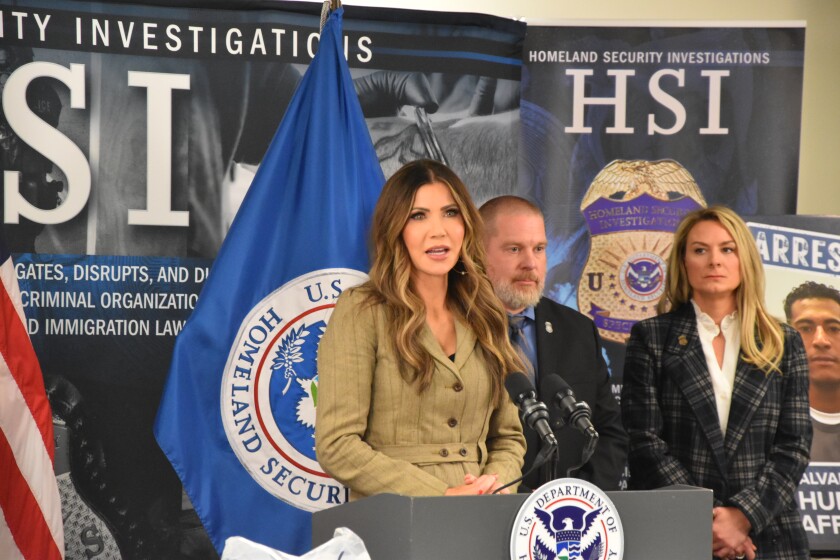
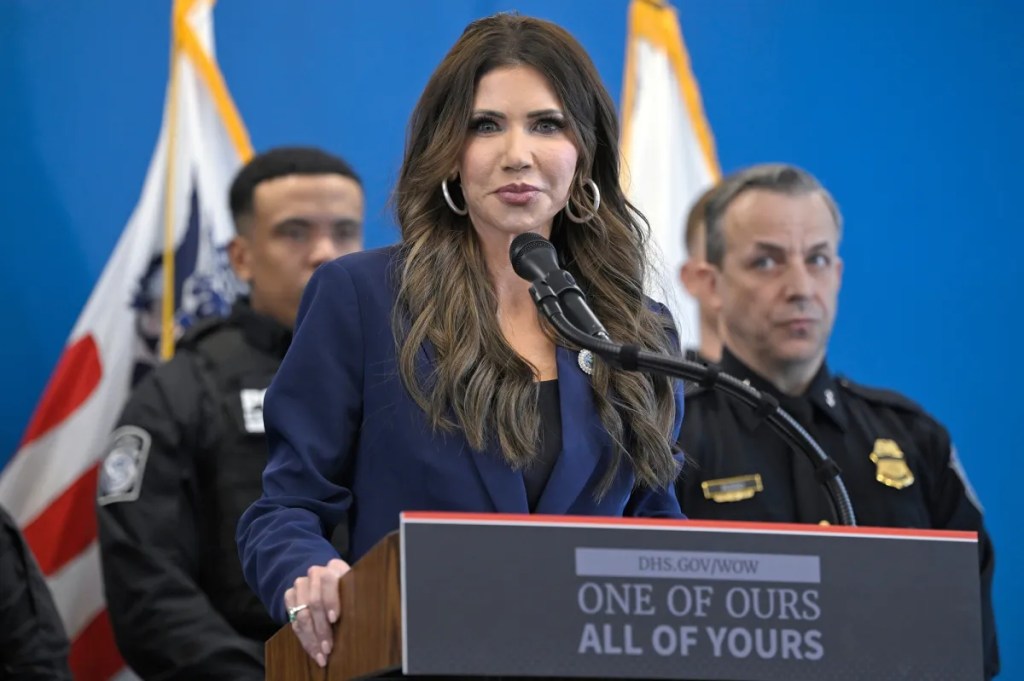
Haven’t commented on US politics much the last few days. The good citizens of Portland, having dressed up in various inflatable animal get ups in front of the ICE building are making the feds look somewhat ridiculous. Men in heavy tactical gear facing off with a pink care bear, several inflatable frogs, and a lolloping unicorn just doesn’t project the image that Kristi Noem thinks it does. Chicago could take a page from this playbook. Maybe it will keep the feds from shooting members of the clergy at prayer.

The big story of the day is the Qatari air force arriving in Idaho. There has been a lot of screaming from both sides about this so I did a little fact checking. This stems from a deal struck in 2017 (Trump’s first term) when the Qatari air force bought a bunch of F-15s from the US. There is no facility in Qatar appropriate for pilot training in such aircraft. The decision to allow the Qatari to train in the US was made around 2020 and was worked on through the whole Biden administration. It’s just now coming to public notice due to Hegseth’s need to be in the news spotlight. It’s not payback for the Qatari golden jet. It’s not caught up in the Israeli/Hamas conflict. Qatar isn’t being ceded any territory or building its own base. The base remains under American control and American law. Now, I still don’t think it’s the world’s best idea given that the Qatari have long been the bankers and funders of most of the jihadist organizations out there but money talks. If nothing else, many more eyes will be paying attention to Mountain Home, Idaho and the Republicans have handed the Democrats a convenient wedge issue which can be easily exploited to split the right.

Still have to tackle healthcare politics. All I can do is roll my eyes when we have a Health and Human Services secretary who would have failed 8th grade biology.

October 9, 2025

Dateline – Manuel Antonio, Costa Rica

Today was a bit of a travel day. Up early to catch the bus in lovely sunshiney weather and then off to the Pacific Coast. The first hour or so were the descent from the mountain heights of Monteverde to the coastal plain near the ocean. The road was the usual wriggly two lane mountain track but they seem to have been paved a bit more recently on this side of the range and it wasn’t quite the strap in and hang on that we’d been experiencing for the last few days. We eventually emerged onto the Pan American highway – really only a two lane route at this point in its course through Latin America. We turned left, and headed south and, when the Pan American turned inland toward San Jose, we headed off on smaller roads following the coastline, eventually reaching the port of Quepos.

Quepos was founded in the early 20th century by the United Fruit Company as the port for shipping bananas from its plantations to Pacific destinations such as the west coast of the USA. The history of UFC (later rebranded as Chiquita Banana in an attempt to ditch some of its more unsavory past) is highly unpleasant and full of exploitation of the Costa Rican people and land. It’s worth looking up if you don’t know about it as it’s full of the very worst of American capitalistic excess, something we seem to be trying to get back to. Most of the rest of the world has left it behind for better ways of being. The banana plantations are long gone, replaced by palm oil which is run in a much more environmentally friendly manner. Just outside of Quepos is Manuel Antonio National Park and we are staying in the town of the same name up on the bluff overlooking the ocean at a very nice hotel.

On your own lunch was at a Costa Rican food court across the street as the rooms weren’t ready yet. The view was nice. The temperature was perfect and the ocean breeze chased the humidity away. I crossed back to the hotel, got my room key, unpacked, and the rains began, pouring the rest of the afternoon. This is not unexpected. It is the tail end of the rainy seaon on the Pacific coast. Being a good Seattle boy, I didn’t let it bother me. I took a walk, had a swim in the pool, and tried not to kill myself by slipping on the hotel walkways which are a very nice tile but the mix with rainwater is a bit tricky.

For the evening, the group headed back down into Quepos and a bit beyond for night tour of the river and the mangrove swamps. I’ve been in mangroves before, but never after dark, and floating through them when you can’t see is a bit unnerving. The guide and boat captain seemed to know what they were doing and we didn’t lose anyone. Lots of nocturnal or sleeping bird sightings. A few bats. A sloth at the top of a very tall tree. A four eyed possum (which is much smaller than the North American variety) scurrying along the branches looking for nectar. The monkeys were all asleep. I spotted a number of monkeys in the trees around the hotel but they were all curled up and sheltering from the rain so no pictures. A very good home cooked dinner and then back to the hotel for relax time before bed.

I’m still mulling over some health politics pieces in response to the idiocies coming out of the federal government but I probably won’t get around to writing them until this next week when I go from phase 1 to phase 2 of Costa Rican vacation. We return to San Jose on Saturday and the tour officially ends with Sunday departures. I, however, am not returning yet. I am off to Guanacaste for an additional four nights at a fancy all inclusive with no agenda other than to decompress and return next Thursday. I’ve felt an absolute need to have some time to do nothing if I so choose. Maybe things will start flowing there.

October 8, 2025

Dateline – Monteverde, Costa Rica

Today was eco-tourist day. I got up early to lovely weather, low 70s and no humidity here in the mountains of the cloud forest and, after breakfast (more delicious pineapple), got on the van with my fellow travelers for a trip up the now familiar unpaved and minimally graded roads to the Monteverde Cloud Forest reserve. There, a delightful nature walk and a climb up an observation tower to Lake Arenal far below and the volcanic cone in the distance. Mammals spotted included a tree dwelling porcupine taking a nap and an agouti out for a morning stroll. Most of the other spottings were birds – no toucans or quetzals – and a very large tarantula. Bouncing back down the hill and over to the Monteverde Ecological Institute for a talk on the natural history of the area, some minor help with a reforestation project which consisted of filling small plastic bags with earth in preparation for oak seedlings followed by lunch.

After lunch, some time to explore the large local town of Saint Elena – not so large that it couldn’t be seen in an hour followed by a nap as the alternate plan of zip lining again was again stymied by the threat of thunderstorms. I was going to stroll back into town for dinner this evening when the heavens finally opened and it poured for several hours. That nixed the idea of wandering off the hotel property so it was dinner at the hotel restaurant with fellow travelers instead. The rains broke after dinner but I’m not pushing my luck.

What I learned about modern Costa Rican history. From the 1920s through the 1980s, Costa Rica, like most of the rest of Central and South America deforested much of its land taking it from nearly 100% forest cover down to less than 30% and based its economy on agriculture. In the 1980s, the government and the people realized how unique they were with the mountain range between two major oceans and how biodiverse and how many microclimates and ecosystems they had in such a small land area. (4% of the world’s species in 0.03% of it’s land). There was conscious effort to move away from agriculture towards a more harmonious balance between the population and nature. They began an aggressive reforestation campaign (things grow quickly with their rainfall) and now nearly 70% of the land area is covered with cloud forest, rain forest and other woodlands. They are working diligently to become carbon neutral with nearly all of their power coming from renwables. They are now becoming a leader in tech and tourism. With no military budget, the growing economy is plowed back into education, health care and support for the people. I wish we would take a few lessons from them regarding how a society should work. And the US health care system and the Costa Rican are practically tied on the WHO list of best health care systems. The US is number 37 and Costa Rica number 38.

I feel the need to write a bit of a history of American health care and partisan politics given some of the more lunatic beliefs out there regarding the current federal shut down. But I don’t think tonight is the night.

October 7, 2025

Dateline – Monteverde, Costa Rica

This evening’s travelog will be relatively short as I don’t have the energy this evening for a long essay about anything. Not a lot happened today anyways. Had to get up and have breakfast at an earlier hour than I might have liked in order to get on the bus for the next leg of the journey, back over the continental divide from tropical rain forest (Caribbean side) to cloud forest (Pacific side). Given topography, this would normally be a four or five hour drive over rough mountain roads but, clever tour companies, a short cut has been found. We drove half an hour to Lake Areanal near the base of the volcanic cone on the opposite side from La Fortuna and boarded a boat. The lake, the largest in the country, is formed by a hydroelectric dam on a river and meanders a few miles to the west. Much sighting of lake birds including egrets and a whole passel of cormorants fishing away. (I looked up the correct collective for cormorants just now – it’s a gulp or a swim. Personally, I would vote for an insatiate after a particularly affecting speech in Richard II). There were also a few howler monkey in the trees but they weren’t making a lot of noise.

After landing, onto a different bus and up into the mountains. As the climate had changed, these reminded me a lot of the coastal range of the San Francisco peninsula (the wet side facing the Pacific) in terms of feel and vegetation. The roads are better in California, though. I could swear that the one we were on was last graded by oxcart sometime during the Fillmore administration. A stop for snacks and then we pulled into town about 12:30. The hotel here is much nicer than the last one, lots of little bungalows terraced up the hillside with manicured tropical plants and winding concrete paths to connect. The plan for the afternoon was zip lining again, this time in cloud forest. We trekked on out to the place but thunder and lighting moving through derailed that plan. Small metal platforms high in the trees are probably not the wisest places to be during a thunderstorm and I wouldn’t want to have to explain Kentucky Fried tourist to the authorities. So, back to the hotel and I did some reading.

Dinner in the hotel restaurant was surprisingly good (fresh mushroom soup and shrimp fettucine in a tomato/cream/basil sauce). And then it was time for a night time nature hike. As I stumbled up and down woodland paths in the dark, my mantra of ‘ground hard, fall bad’ was pounding in my brain. I did not fall, a minor miracle given the mild peripheral neuropathy in my feet. I am happy that I bought the boots with good ankle support the week before this trip just so I could have proper footwear for an occasion such as this. Kinkajous frolicking in the trees, frogs, a sleeping rainbow toucan, and a much closer encounter with a venomous pit viper than I cared to have. Up again in the morning to visit a cloud forest nature reserve.

October 6, 2025

Dateline – La Fortuna, Costa Rica

I did not book an early morning excursion, in case I wanted to sleep in, but I was up and out at 7 am anyway to find a picture postcard perfect morning of blazing sunshine and the Arenal volcano in full view looming over the town. It’s currently dormant but it’s most recent eruptive phase (1968-2010) is not so far in the past that erosion and other natural processes have altered its classical conic shape. I am told that seismologists are constantly monitoring what’s happening below the mountain and that we’ll get plenty of warning if Haephestus or Pele or any of the other forge and fire gods decide they need to let off a little steam while I’m in the area.

I had a leisurely breakfast and then was picked up by a shuttle and driven around to the other side of the mountain to see what I could see. There I was introduced to the joys of zip lining through the jungle canopy. (That’s zip lining, not zip tying which has been much in the news of late). The years of flying trapeze lessons paid off, I had no issues with throwing myself off various platforms or looking down at a river several hundred feet below while suspended from a harness around my thighs. I was also the only one in my group willing to tarzan swing upside down and without hands. As I said to the others, he may be getting on in years but he’s not dead yet. No picutres of zip lining or being suspended upside down yet. I did not take my phone on the tour as, with my luck, I would have had it fall out of my pocket into the jungle while careening along. The tour took photos. I’ll post some of those when I get them. Most of the jungle animals had the good sense to avoid tourists hurtling through the tree tops at high rates of speed but I did see two different species of toucan so I can cross that off the list of sightings in the wild for the trip. I really would like to see a quetzal but I’ve been told those are quite rare.

After returning from the jungle canopy, I went in search of lunch and found a decent plate of fish followed by a visit to a local ice cream parlor where I had their specialty – a large goblet of creme anglaise and tropical fruit with ice cream in the middle covered with caramel and ground pistachios. Vacation calories don’t count. But it did make me long for an afternoon nap and I treated myself to such. Late afternoon, another shuttle, this time to a hotel/resort much ritzier than the one we’re staying at and an evening in their various pools. Due to the volcanic activity, there’s a myriad of hotsprings and several fed the pool complex so there were a variety of options for temperature. I spent a good deal of time in the ones like warm bath water hoping it will do some good for my cervical spondylosis. (It’s gone in the mornings and then comes back through the day due to the effect of gravity on my cervical vertebrae – trip to the pain clinic on return). After bathing, a nice risotto before returning to my room and some writing before bed. Up in the morning to move on to Monteverde and the Cloud Forest.

As it was a somewhat slow day, I had time to catch up on the news from home. Some thoughts: the administration is champing at the bit to use the Insurrection Act to consolidate power but they’re going to have a hard time getting the population to buy into this. Our society knows what war looks like and what ciites in the midst of warfare or insurrection look like. We’ve been subject to photojournalism of pretty much every atrocity perpetrated by humans for well over a century now. And a couple of dozen protestors led by a guy in a chicken suit with an inflatable frog in front of ICE headquarters in Portland isn’t an insurrection in anyone’s book. And, so far, the left isn’t taking the bait and offering violence, no matter the provocation.

Another thought, we’re nowhere near to disaster as Germany was in the 1930s. What saves us is our pluralism. Most European societies, especially in the early 20th century, were homogenous. We never have been and, because of that, it’s very difficult to get Americans to agree on anything. The administration will only be able to truly assert authoritarian control by neutralizing the two thirds of Americans who don’t agree with them or live lives structured on their ideals. Stephen Miller might want to reduce the population to 100 million (and there seems to be a social media campaign, mainly using images from TV commercials of the 70s through the early 80s stating that that’s the society such a reduction of population would create). Fact – the US population in this period was well over 200 million. We were at 100 million during World War I. Fact – removing 2/3 of the population would lead to societal collapse. The only time such a thing has occurred within recent millennia was the Black Death in Europe which only took about 40% of the population. Even World War II, the most destructive event of the 20th century, only killed about 4% of the population of Europe at the time. The administration is only going to get everything they want if we give it to them by allowing them to take it.

In the words of the notorious RBG – I dissent.