Happy Boxing Day everyone. I think it’s still celebrated in the UK, mainly with after Christmas sales in the larger retail establishments. A friend tells a story about a couple of elderly ladies at Harrod’s on Boxing Day getting into it over a tea cozy or an egg cuddler or some such leading to a knock down drag out that would make a Wal-Mart proud. Sad to say, it will be a few more months before I can do any shopping at Harrod’s. Not that there’s much there I need but it’s always fun wander the Food Halls. On one of my last trips to London, I and a friend went to Harvey Nick’s (it was during the original run of Absolutely Fabulous – Don’t Judge) and had lunch in the top floor restaurant. As we were waiting for our check, I looked over at the cashier and a pair of women were settling their bill and they were dead ringers for Patsy and Edina. Cell phone cameras were not yet a thing -if they had been, I would have taken a picture.
The clan gatheredThe six of my generation
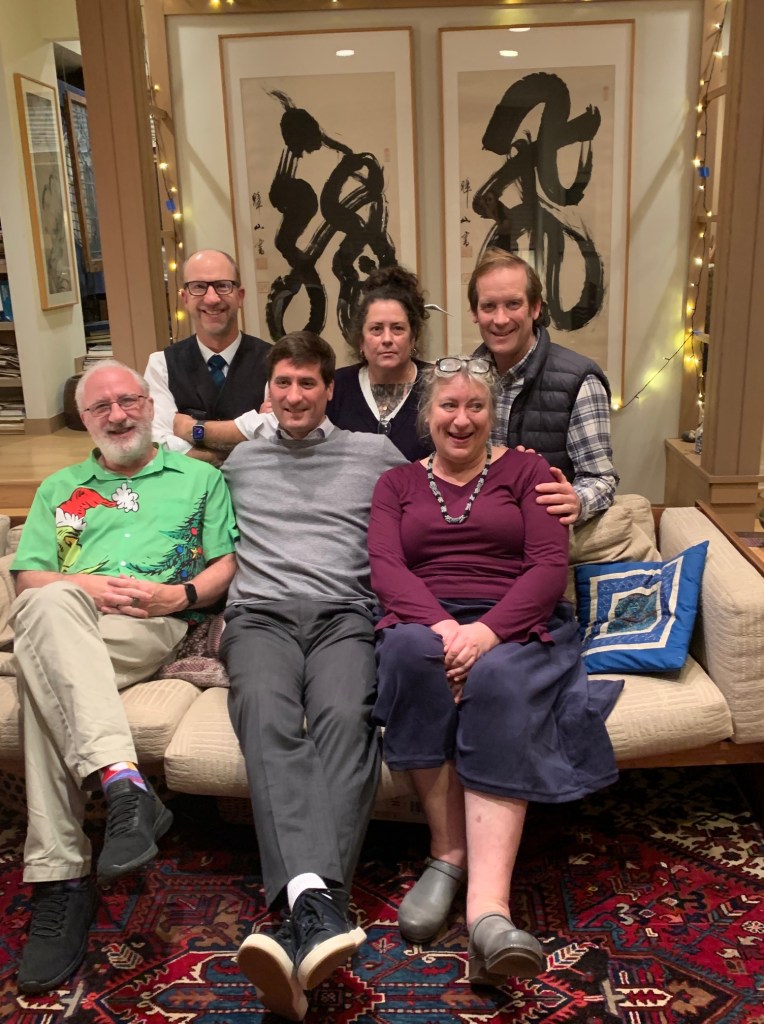
The American branch of the Saunders clan gathered at various houses yesterday for presents, Christmas cheer and our traditional feast. We almost had a full complement with 16 of the 19 members present and accounted for including all six of my generation being under the same roof for the first time in fifteen or so years. Usually either I or my cousin Jack who resides in Connecticut is missing. The other four are all Seattle based and easy to get together. My maternal grandparents John and Alison Saunders were British emigres who arrived in the 1930s and settled in San Francisco. Their two daughters, Alison and Margery, both ended up in Seattle as both of their husbands ended up on faculty at the University of Washington. The two families lived blocks apart so the three Duxburys and the three Hellmanns of my generation grew up in a tumble together and my first cousins on that side are more like siblings in some ways. I am the eldest of the gang and Jack brings up the rear eight years later. We are all accomplished each in our own way and I am delighted to say that I truly like my family, as well as love them. In all of my work with families over the years, I have found that this is not always the norm, but we all get along famously well. My generation now also includes four spouses, most of whom have been present for decades and there are now seven members of the junior generation rapidly growing up ranging from age eleven to twenty-two – a mix of first and second cousins. And, in another decade, I imagine there will be another generation still. That’s the way the world tends to work.
It snowed last night. It’s a good thing it held off until then as Seattle roads can become impassable in a snowfall and Seattle drivers immediately jettison all rules of the road and common sense as flakes start to fall. My uncle’s house, the usual site of gatherings these days, is down a steep and winding lane at he base of Magnolia Bluff and it would have been quite interesting trying to ferry everyone down there if the snow had begun yesterday afternoon. But it did not and I woke up this morning to three inches covering everything in a blanket of white and six busses stalled on the hill in front of my hotel. Fortunately, it’s only five blocks to my father’s from where I am staying and I was able to nimbly work my way around stalled busses and bewildered drivers. As I write this, it’s still falling. Fortunately, I am only three blocks from the light rail station with direct service to the airport so I’m not worried about departing tomorrow. I wouldn’t trust car based transportation. As far as I know, I’m still good regarding my flights home tomorrow and nothing has yet been canceled. If something goes wrong, I’ll manage.
Other than family festivities, it’s been a quiet weekend. I’ve deliberately done nothing much the last couple of days. I haven’t been giving myself enough down time recently and I’m trying to listen to my body and my psyche and make sure I’m properly renewed. This does mean that there are a couple of work projects that I haven’t finished up yet that need to be done before the end of the year. I’ll get to them…. I’ll get to them…
There’s not a lot to report on the covid front. The news media has switched to heart warming stories of family reunification, holiday cheer, and best of the year lists like they do every year around this time. They’ll be back to gloom and doom soon enough. What I have been able to glean is that omicron is causing significant disruptions mainly due to vast numbers of workers needing to be in quarantine more than being caused by significant illness burden. The parts of the country where hospitals are being inundated (currently centered on Cleveland and the upper midwest) the cases are still mainly due to delta variant marching through unvaccinated populations. Of course, the omicron wave is still too new for us to really know what hospitalization and death patterns are actually going to be. The best thing you can do to combat the virus, both personally and socially, is get vaccinated and boosted. It remains the only real weapon we’ve got as we live in a society that can’t really be locked down as we refuse to use public money to support ordinary people without huge political battles.
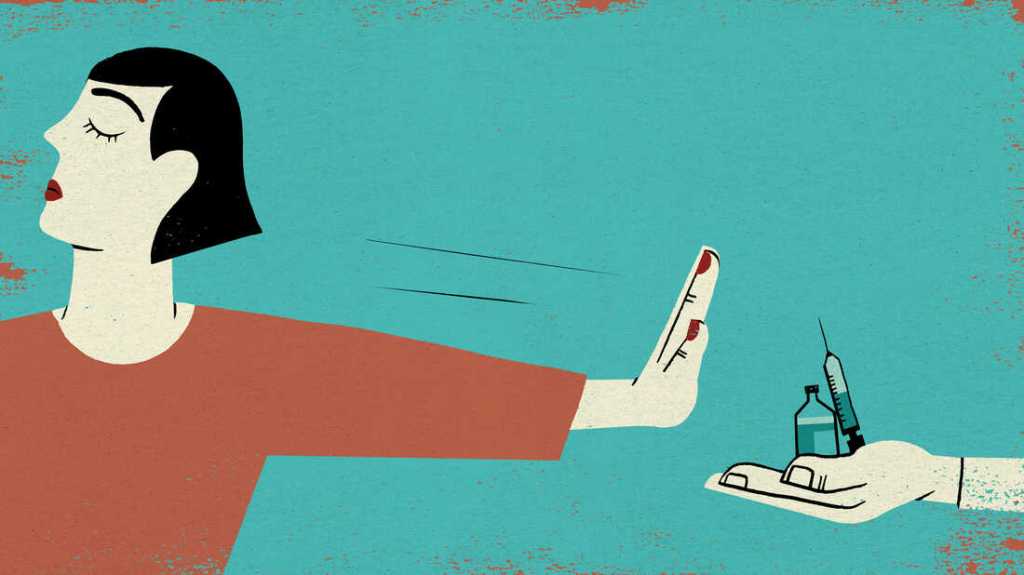
The fact that somewhere between a quarter and a third of the population flatly refuses vaccination also doesn’t help. At this point, I’m pretty much done with someone who’s refusal is due to political or ersatz religious beliefs. I think we’ve seen a great example of the irrationality with the blowback against former president Trump for his remarks in favor of vaccination this past week. It also shows that the current fascist movement in the country, usually referred to as Trumpism, is very much independent of the man. He may have helped let the genie out of the bottle but it was never really about him. It’s antecedents are much older dating back to before the founding the country when some groups assumed an inherent superiority over others. Choose life. Choose health. Get vaccinated.
Well, as I am in travel diary mode again and as I am not writing from the UK, it’s pretty obvious that plans have changed. The tour group cancelled the London trip on Wednesday morning, to absolutely no one’s surprise given the omicron numbers coming out of the UK and the Johnson government’s decision to finally begin taking some public health measures before the National Health Service collapsed under the weight. Omicron may be less virulent then delta and vaccines may be well distributed, but the ferocious speed with which it moves through a population means that the absolute number in need of aggressive care at any one time is easily more than most modern health systems can handle. The trip is actually technically ‘postponed’ until later in the new year when hopefully omicron will be less of an issue. We’re looking at late Feburary/early March but a lot will depend on the unknowable machinations of Covid-19 and its intersection with human foibles.
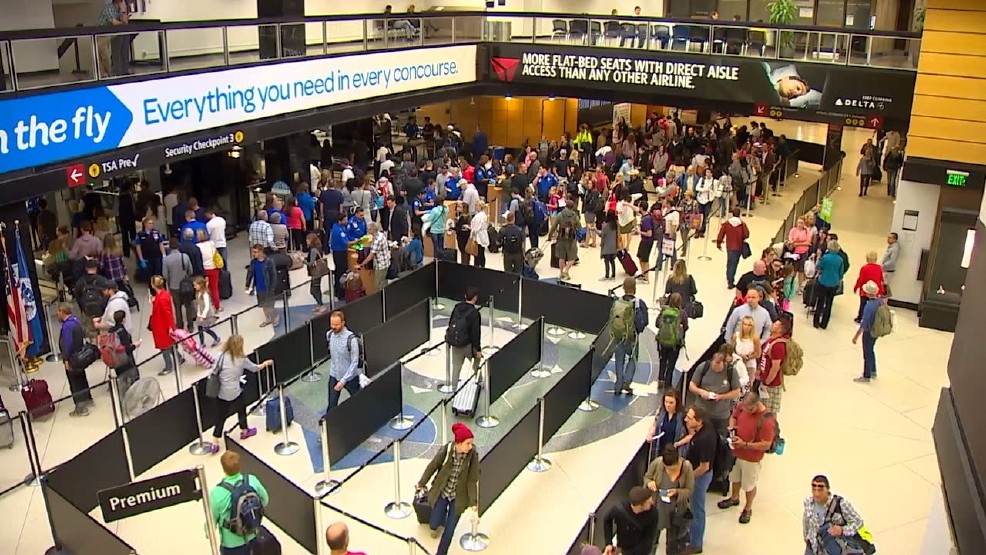
With the UK off the table, I bought a last minute ticket to Seattle for Christmas weekend as a surprise for my family. I know two airplanes and three airports isn’t the wisest of ideas in these days of omicron omnipresence but I’m good in my distancing and hygiene and masking and so fingers and toes crossed. Given all of the headlines regarding canceled flights and travel mayhem due to large numbers of flight crew being laid low and in quarantine, my trip was remarkably smooth and without incident. I spent this evening with my father. The family gathers tomorrow. We’ve all been vaccinated and boosted but I’m still going to keep a measured distance at dinner and mask up when not eating. There was a promise of snow for Christmas here in Seattle, but it has not materialized. All we’ve been subject to is a dreary cold drizzle which is much more a Seattle Christmas than snow. I’m returning to Birmingham on Monday and still have the week off that was supposed to be spent in the UK. I’ll do something with it and have a few ideas. What ends up happening will depend on omicron, weather, and a few other things.
Christmas is a somewhat melancholy time for me these days. It didn’t used to be. Steve and I had our Christmas traditions including choosing just the right tree, decorating it with the ornaments his mother had made in the 50s and 60s, a movie and dinner out on Christmas day. In later years, after my training was over and I had more control over my schedule, we would usually zoom up I-5 from Sacramento to Seattle to spend time with the family. Tommy and I had a different set of traditions built around the Birmingham performing arts community – one or both of us singing the Messiah for the Alabama Symphony, putting together the children’s holiday pageant for church, his getting dozens of wigs ready for Red Mountain Theater’s holiday spectacular, and getting the house and food ready for out traditional open house the Sunday after Christmas. By the time New Year’s came around, we were usually both exhausted.
I haven’t had a normal Christmas since Tommy died. That first year, I couldn’t face the season at all and ran about as far away as I could, spending the holidays in Thailand. I figured physical and cultural distance would help tide me through. I was right. The next year, I was in Birmingham, but I did very little and couldn’t even be bothered to put up a tree. Last year was Covid Christmas and pretty much everything was cancelled. I had lots of time on my hands so I actually did a bunch of holiday things including putting all six of my Christmas trees up and baking and having a little too much spiked cider. Of course, there wasn’t much of anyone around to share it with. This year, I did a holiday show with the Reindeer Monologues but haven’t done much else. I didn’t put up any trees as I wasn’t planning on being around most of the holiday week. There’s always next year. Maybe I’ll take some time off just to do the twelve days of Christmas and figure out a new way to have a holiday open house in a new home and without Tommy in the kitchen for days using every pot in the house and then some.
I’ve noted that something has shifted in me over the last two years. I don’t know if it’s age (I will be sixty in a few months…. how the hell did that happen?), residual grief, or a certain amount of change caused by unrelenting pandemic related stress. This past fall, as delta waned and before omicron reared up, I returned to my usual pre-pandemic pace: 50+ hour work week, a show in rehearsal and performance and another one teed up, a number of professional projects of varying kinds, some writing projects. In 2017, I could have knocked it all out of the park with both hands tied behind my back. In 2021, I feel like I’m barely keeping my head above water at times and I am going to have to be more judicious in how I schedule my three careers so as not to overload myself. I’m just feeling physically and spiritually tired in ways that I am not used to. Perhaps it’s been the lack of things that renew my juices due to all of the Covid cancellations of the last few years.
It would be nice if I could say that it was a quiet and still Christmas Eve with a blanket of new fallen snow and a time to reflect on how the entire celebration – this weird amalgam of Jul, Christianity, and Solstice – is a metaphor for hope, something we all could use more of these days. But, alas, outside of my window is continued drizzle with the distant hum of traffic on Interstate 5. But even so, a joyous Christmas Eve to all of you. Hold your loved ones tight and continue to hope. It’s the one thing we always have, even in the darkest times. Just call me Pandora…
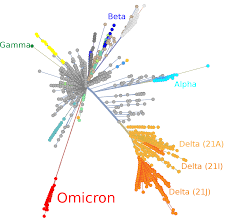
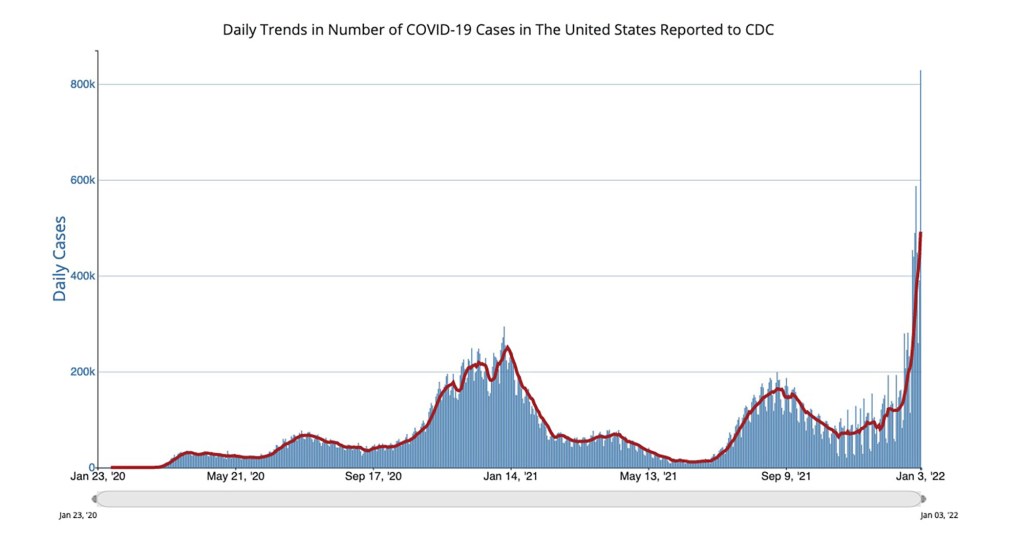
Phone rings, door chimes, in comes omicron… And boy howdy is it. From about 3% of total US cases about ten days ago to 73% of US cases this past week as estimated by the CDC. It’s peaked so fast that there are some thoughts that as of today, it’s more than 90% of US cases. What does this mean in terms of practical purposes? A few things. First, omicron is better at infecting fully vaccinated and boosted individuals than previous strains so, even if you’ve had all your shots, the chances of picking up the virus, given it’s rapid spread, is not negligible. Fortunately, the clinical illness it causes in relatively healthy individuals with vaccine and booster seems to be fairly mild and not something that would require hospitalization. If you are vaccinated, and do get sick or test positive, current CDC guidelines remain that you should quarantine for ten days from first symptom. Some authorities are suggesting that it should be ten days or a negative rapid test (as these are starting to become more available) as a negative test suggests a non-infectious state but CDC guidelines haven’t accepted that as of yet. Omicron also seems to not respond well to the monoclonal antibody infusions that have been a mainstay of treatment of infected with more serious disease. I haven’t seen recent data to tell how well it responds to the new antiviral pills that are just coming on line.
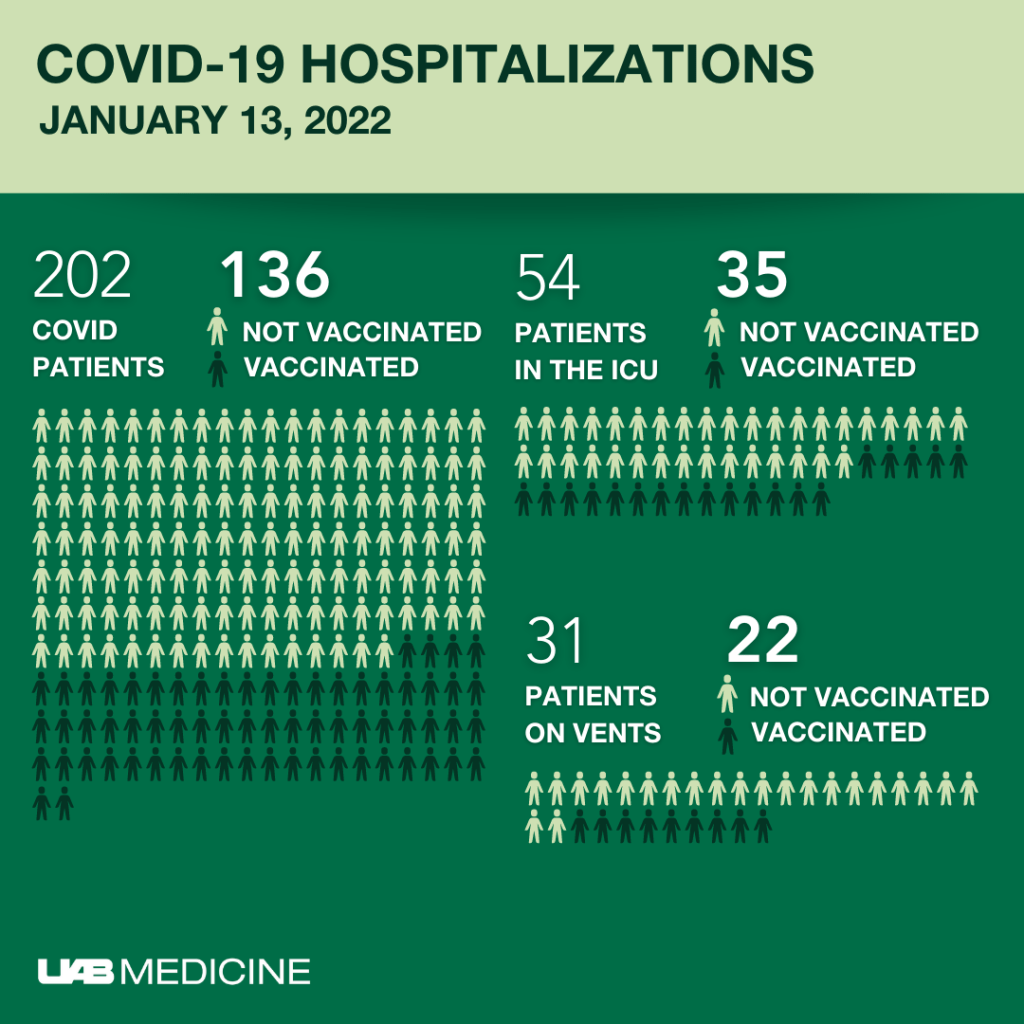
As omicron has gone from rare to everywhere in the past few weeks (the magic of exponential numbers in action), we’re seeing a lot of hype and contradictory advice in the lay press. The president was on TV this afternoon advising people who were vaccinated to continue with their holiday plans while, at the same time, WHO was putting out recommendations that holiday plans be cancelled. Which is the correct advice? I suppose that depends on the goals. WHO is the better advice if we are trying to limit the spread and buy time. The president’s advice is better given the pandemic weary world we live in and all of the mental health and economic issues this generates. Local numbers are ticking up again with Alabama cases up about 50% from two weeks ago, hospitalizations up about 10% over the same period and the deaths remaining about the same, roughly a dozen a day. UAB hospital, the major referral center in the state has had a jump in hospitalizations from about 20-25 on the down side of the delta wave to about 35 today. It’s a far cry from the 300 patients at the peak last winter just as vaccine was beginning to roll out but everyone is just a bit apprehensive.
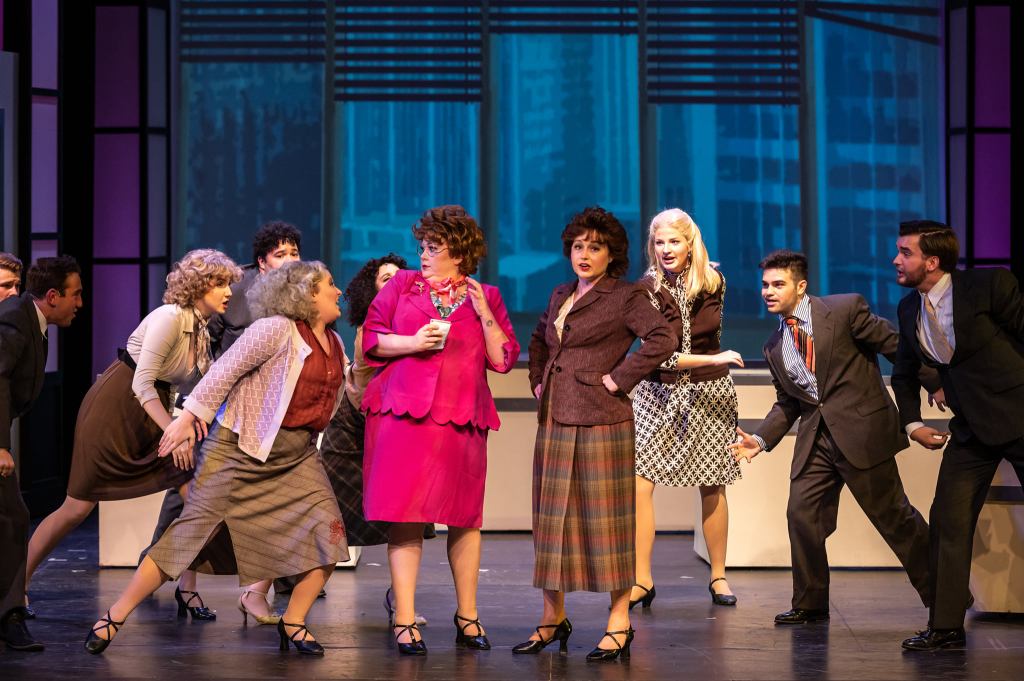
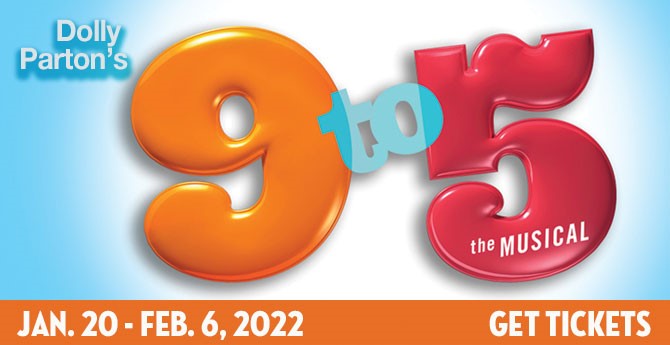
From what I can tell, the majority of the citizens of Alabama are completely over pandemic thinking and behavior change. Very few people are wearing masks indoors and tend to grumble if asked. Those that do are usually wearing them incorrectly well below their nasal passages. I wear one at work when interacting with patients, but not in office areas where we are all vaccinated, and I wear one indoors in shops and restaurants unless seated at a table. I haven’t been wearing one at the theater for Reindeer Monologues as it was a small cast and crew and we were all vaccinated. I am wearing one in rehearsals for 9 to 5 which is a much bigger production. I’m not especially worried about being around theater people and theater audiences as they are generally a vaccinated population. They know as long as the pandemic rages, theater is going to be problematic (witness the rapid closing of shows on Broadway and West End due to Covid in the company) and they want to do their part to restore a sense of normalcy.
What should the new normal be? To achieve it, we have to get over this rather lunatic vaccine hesitancy that’s plaguing the world and which continues to be used as a political tool. It would be easy to blame Trump but it’s much more complex than that, witness his crowd booing him when, at a recent rally, he suggested to his people that they take vaccines and booster shots. Coronaviruses are simple organisms, mutate quickly, and are not really amenable to herd immunity so letting it just wash over us is going to have a heavy human toll. Many variants on the common cold are coronaviruses and they’ve been around for millennia and we have yet to develop herd immunity to that. The only real weapon we have is a safe and effective vaccine. We’ve lost 800,000 people in this country to the disease. I can guarantee you that the number of people with complications even vaguely related to vaccination is a very small fraction of that. I don’t see why people hesitate at choosing between a disease that has a couple of percentage point chance of killing or permanently sickening you versus a vaccine where the chance of complication appears to be in the thousandths of a percentage point.
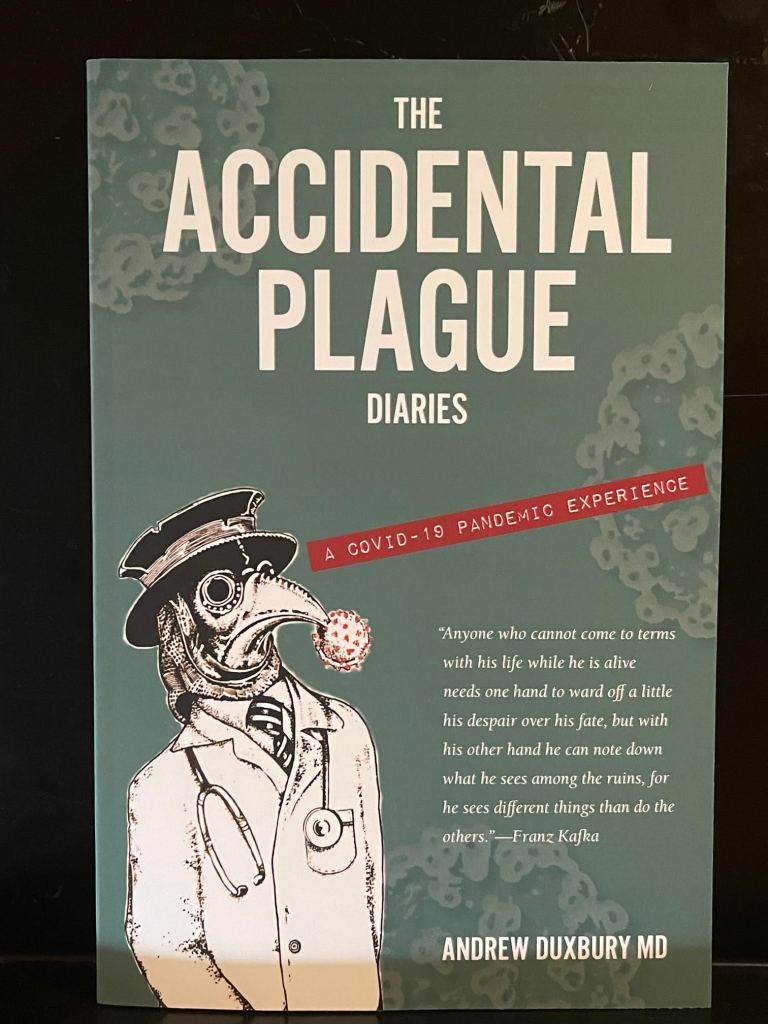
To achieve whatever new normal is, we’re going to have to vaccinate, and not just the US, but the world. All eight billion of us. The G20 and the other wealthy countries are going to have to put their heads together to figure out how to successfully vaccinate less functional and poorer countries or we’re going to continue playing whack a mole as new variants continue to pop up. We live in a global civilization these days. An easily transmissible variant that pops up in one country is on three different continents 24 hours later. It can’t be stopped without stopping intercontinental trade and transportation and we can’t have modern society with all of its conveniences without them. If this doesn’t happen, we’re going to be living with this pandemic for a few more years and my Accidental Plague Diaries may run to a number of volumes. If I publish additional volumes, I’ve thought I’d give each one a different color cover – and at current trends, the entire rainbow will be on your local library shelf before they’re done – including indigo.
My big fears with omicron are two. The first is that the spread is so fast and so many people become sick at once, that even if a relatively small percentage require hospital care, it still becomes an absolute number larger than the rickety US health care system can handle. We’re seeing that already in some states. Will that become the norm everywhere? Will it continue to drive my generation into early retirement and younger generations away from what should be fulfilling work but which has become so tainted with stress and societal disrespect that they either leave health professions or refuse to enter them in the first place? The second is that if omicron turns out to be less problematic than some of the doomsday hype being generated by the press, that the anti-public health forces will exploit the differences between predications and reality to further drive a wedge between public opinion and scientific expertise. This is going to be a huge problem when the next pandemic comes down the pike and it turns out to be much more lethal than Covid. We could very easily run into a filovirus such as Marburg or Ebola that jumps into human populations. These can have mortality rates as high as 90%. If one of those spreads rapidly internationally and we have a population indoctrinated into disbelieving public health measures and actively working against them as we do now, we will have no chance and our civilization will end. People will go on, but we won’t have the population and skills to maintain our way of life. And we wouldn’t be the first world civilization brought down by epidemic disease.
I’m still in a bit of a quandary over my planned trip to London next week. (I’m going to get whiny over my first world problems for a minute, so if you’re not interested, you can stop reading now). If the UK locks down or bans tourists, of course I don’t go because I can’t. But what if they don’t? Based on my trip to Portugal and Spain earlier this year, European populations are much more considerate of each other regarding mask wearing and social distancing than American ones. Omicron may be rampant there, but it’s just as rampant here so does it make any difference? I suppose the biggest risk is catching it on the plane across the pond or acquiring it in London making it difficult to get back into the US when the week is over. Still planning on going but watching the news and the statistics carefully. I would have no ill feelings about simply not getting on the plane at the last minute if that seemed like the best decision.
In the meantime, I have a Christmas tree to finally put up, cards to get in the mail, two more work days, a sheaf of notes to write, and a couple of work projects that need to be put to bed before I go. So, in the meantime, I’ll be kicking around home and office, wearing a mask out, keeping my hands washed. and getting Covid tested before going anywhere. If you haven’t gotten your booster yet, get it. Omicron is getting around two vaccines relatively easily but still has trouble with three.
The fragile truce we’ve had with Covid the last few months appears to be unravelling rapidly with the advance of omicron. It’s gone from being barely a whisper in the US to a significant player in less than a week. It’s prevalence in terms of genetic testing has grown from 0.4% of tests to 2.9% of tests since the weekend. That’s a seven fold increase. The math I’ve seen is that omicron is roughly three times as infectious as delta (which in itself was about twice as infectious as the original wild type virus). Given our old friend exponential math, we’ll see it everywhere by Christmas weekend. The first positive omicron test in Alabama turned up today in West Alabama. We’ve known it was here – it was just a matter of when it would be tested for.
Those of you who follow theater news like I do are aware of a large number of cancellations on Broadway and in the West End of performances due to positive covid tests in the various companies. A lot of angry ticket holders are blaming the performers or the front of house staff or the management but some of that is entirely unwarranted. In an attempt to keep both company members and audiences safe, professional theaters are testing their employees rigorously and routinely. If every employer in the country were doing the same thing, we’d find a lot more positives due to heightened testing and every other industry would be as prone to cancellation and shut down as live performance. It’s going to get worse before it gets better and I can see both theater districts having to go on pause again which is going to cause a lot of continued financial hardship for a lot of people. My trip to England is still on as of this writing but with the situation in the UK changing rapidly day by day, anything could happen over the next week and a half. I’m not spending a lot of time worrying about it. If it seems unwise, I simply won’t get on the plane when departure time arrives.
Michigan, Western Pennsylvania, the West Slope of Colorado, and other hot spots continue to have large numbers of ill individuals and buckling health systems, overburdened by predominantly unvaccinated individuals needing care. I still think where the spread is strongest is related to climate. Delta spread in the Deep South, Texas and Florida this summer as the heat chased people inside in search of air conditioning. It’s spreading in new places this winter where the cold is chasing people inside in search of heat. Maybe covid will end up chasing all of us somewhere in search of a Goldilocks climate of not too hot and not too cold. Unfortunately, I don’t think all 330 million of us will fit in San Diego.
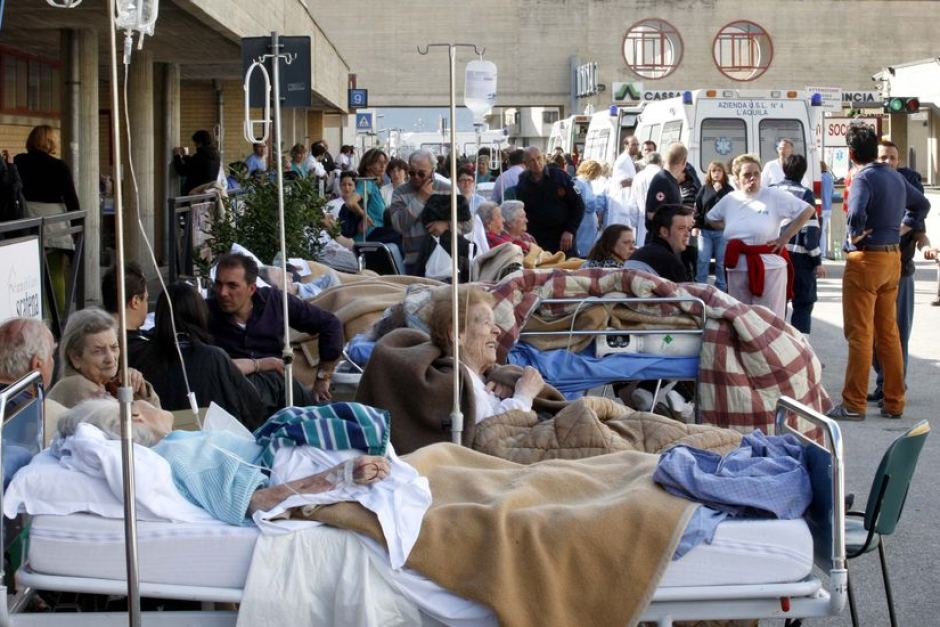
I am quite concerned regarding the slow collapse of health care infrastructure that continues. The hospitals that are over burdened at this point aren’t in the same position as they were at the beginning of the pandemic when the issue was inadequate supplies and physical room to care for patients. Now, the biggest issue is inadequate staffing. There aren’t enough nurses and other trained staff to take care of the critically ill. Nearly two years of incredible work related stress, societal disrespect, inadequate compensation, and downright danger have led to health care workers reevaluating their lives and looking at alternative paths. I read somewhere that a significant portion of recent nursing school graduates have left the profession and the older generation is retiring. Some of the middle folk are finding it easier to make better money through per diem or travel arrangements rather than stay in their old jobs. The desperate need for individuals in caring professions is leading to some improvements in wages and working conditions, but the wholesale realignments are creating havoc in all sorts of ways.
The one that affects me the most is the elder care industry. I’m weird as a geriatrician. I do almost no nursing home work. (I was able to carve out a career caring for people disabled enough to live in nursing homes who live in the community instead – when I entered the field decades ago, no one was doing that kind of work so everything was wide open for me). That doesn’t mean I don’t interdigitate with what goes on in institutional care. Over the last few decades, nursing homes and other senior living facilities transitioned from not for profit to for profit institutions, mainly owned by large corporate interests. The business model relied on a large workforce of predominantly women, often women of color, who had limited options. Pay was low, working conditions arduous, and short staffing and rapid turnover par for the course.
Large group of female nurses working together
Over the last two years, this population of women has had a chance to restructure their lives. Some have died. Some have needed to leave the work force to care for children wen schools and daycares closed. Some have moved up the ladder to better nursing jobs as they have rapidly become available. Some have figured out ways to thrive economically without a slave wage job being part of the equation. I know of no senior living facility that is not short staffed and begging for employees with few applicants. Fewer on the floor employees is starting to lead to a rise in not so good outcomes in senior living residents and I expect we’ll see increased fall rates, medication errors, nutrition issues without someone to take the time to one on one feed the most frail, and the like. The agencies that provide senior services in the home such as bathing and light housework are even worse off. Especially in rural areas, there are no employees to be had and the demand is going up as covid begins to create a new class of chronically disabled and as the Baby Boom continues its inexorable march into old age.
I am fielding daily complaints from families about the inadequacy of services for the aging in the current environment. I have no solutions. All I can do is listen. Lack of good home health services is going to damage the already frail early warning system of a senior falling off of their balance point at home even more. This is going to lead to more elders being found with much more serious disease and in need of a hospital when an early intervention might have taken care of the problem at home. This will compound with all of the individuals who have had to have care delayed due to inadequate health resources as the local system is overwhelmed with covid needs or who avoid the health system for fear of contagion in the emergency department or waiting room (a not unrealistic fear).
Sometimes I feel like the little plastic man on skates in the kids game ‘Don’t Break The Ice’. I see block after block knocked out and I’m just waiting for the wrong one to fall causing the entire field to collapse in on itself. I’m not worried about me personally – I’m in a position to survive the worst and could consider stepping out of health care at almost any point. I’m scared for the families I’ve been working with for decades – many of limited means. I have people I’ve been caring for since the last millennium – in their 70s then, in their 90s now – and sometimes I have their children or even their grandchildren. I’ve pledged the majority of my working life to them and I want to be able to see them through. But I can’t work miracles and I have no power to offset the macroeconomic forces wreaking havoc on us all.
UAB doesn’t want me to retire anytime soon. They’re continuing to work on an endowed chair for me which would keep me coming in a while longer. If any of you has a spare half a million or so hanging around, I’ll be happy to put you in touch with the development officer responsible. If you don’t, do something for an exhausted health care provider, get your vaccines including your booster. That’s free.
And it’s another milestone day. The US hit 800,000 Covid deaths today. For those of you keeping count, we hit 700,000 on October 4th, 69 days ago. At this rate, we can expect somewhere between a quarter and a half million deaths annually, putting Covid as the third leading cause of death in the US, behind cancer and heart disease, for the foreseeable future. And this is still in the acute phase of the pandemic. We must remember that this virus attacks the circulatory system and highly vascular organs including the lung, the heart, the kidney and the brain. We still have no idea what ugly little surprises are going to surface five, ten, or twenty years after the initial infection. Will we be in for millions of people developing myocarditis and premature congestive heart failure? How about rapid onset chronic kidney disease requiring dialysis? Early vascular dementia? We just don’t know. Suffice to say, it’s just not something you want in your body which is what makes the current political movement to have the population get infected and develop ‘natural immunity’ so misguided. First, you really don’t want this disease which has the potential for doing a lot of damage and second, we’re seeing that infection acquired immunity is not nearly as robust as vaccine acquired immunity against the variants that are developing. out there in the world.
I’m getting a bit fed up at the continued politicization of Covid, especially as today marks the first anniversary of the availability of vaccine in the US with the first trucks having left the Pfizer plant on December 12th, 2020. You would think that a year of experience, study, near control when vaccines were made rapidly available late last spring, and general improvement in life over the last year would lead to the politicians at least going mum. But no, in Missouri we have an attorney general threatening any county health department that attempts to do any mitigation measures at all. In Tennessee, politicians have shut down the state medical board going after quack therapies and misinformation. Locally, masks and other basic measures have just fallen by the wayside as people go about their lives. Fortunately, our numbers have been low in recent weeks, but there’s no guarantee they’re going to remain there. I’ve questioned some of my more educated and intelligent friends who support the political party behind all of this asking why they don’t have a problem with any of it. It seems to boil down to the fact that they’re voting to preserve the status quo that protects their private wealth. They’re afraid any change might force them into a higher tax bracket or to lower their standard of living and if more people have to die unnecessarily for that, well that’s just a price that must be paid, and is unlikely to be paid by them and theirs as they’ve been vaccinated.
And that seems to be the central issue at play throughout our society today. A lack of empathy. A lack of understanding that what we do and we choose may affect others, and even if we don’t know them or their lives are only tangentially related to ours, It’s certainly the central dividing line in our politics. One side is pushing policies to benefit the commonweal and ordinary citizens using the models put forward in the 1930s to counteract the economic effects of the great depression. The other side is trying to create a society where everyone is solely responsible for their own welfare and, if you don’t have the resources available to do that, well tough titty. This, of course, leads to such hypocritical contortions as Kentucky congress people, who railed against federal money going to coastal storm relief now demanding immediate federal dollars to help with the damage from this week’s unprecedented tornado outbreak. It may not be that unprecedented much longer. Climate change is real, no matter what your politics leads you to believe and weather patterns will grow more and more unstable because of this.
It’s not only affecting our politics, but our spiritual life. The prosperity gospel preached by many of the more conservative churches which equate wealth with virtue and poverty with bad choices at best and sin at worst breeds a peculiar kind of selfishness in its adherents that Jesus would have been the first to condemn, at least by my reading of the gospels. Then there’s movement conservatism’s tying of religion to politics and steadfast attacking of the wall between church and state. Roe v Wade is almost certain to fall this next year one way or another, the only thing that remains to be seen is the narrowness of the ruling. There certainly won’t be any sweeping upholding as there was in Casey. It will be interesting to see what’s next. If Roe goes, the court may have to revisit the underpinnings in other cases that will almost certainly be brought by the Dominionists in which case Obergefell and Griswold may both fall as well. (I think they’ll stop short of negating Loving but nothing surprises me anymore). This is going to lead to states having radically different laws regarding privacy and family life and in general weaken the central federal regulation of our culture that allows us to have similar lives and protections no matter where we may need to relocate in the country.
I’m not expecting a second Civil War in the next few decades, but I can see a significant hollowing out of federal authority as a combination of SCOTUS decisions and a future Republican administration (there will be one – maybe not in 2024 but at some point) reorder the balance of power between state and federal back towards the states. It will greatly diminish our power in the world. What’s allowed us to become pre-eminent is the fact that all of the states have been harnessed together under one unified federal entity and interstate squabbles and differences have been kept to a minimum for the last century or so. If that starts to change, all sorts of fascinating questions come up. Will states be able to pass laws that will encourage the types of the people not in the majority to move to escape minor inconveniences at best and major persecution at worst? What happens if the lines begin to harden and the agricultural folk of the west coast abandon those blue states whence much of our food supply originates? What if blue city dwellers in predominantly red states start departing? Who will move in and make those cities vibrant communities that create commerce and art?
Comet is judging you…
The play I’m performing now, The Eight: The Reindeer Monologues was written by Jeff Goode in the early 1990s during the first Clinton administration. It’s a scabrous dark comedy in which each of the eight reindeer gives a monologue, shedding a different perspective on sordid events at the North Pole involving a libidinous Santa. Even thought the play is now nearly thirty years old, the politics are so prescient that it feels like it was written for our current time. It doesn’t take a big stretch to draw parallels between a vulgar sexually abusive Santa and a vulgar sexually abusive ex-President. Once you do that, a whole lot of other things the play has to say about gender roles and politics, capitalism, commercialization, and other themes become crystal clear. The play ends with nothing having changed and I can’t help but feel that, on a political level in this country, nothing much has changed. We have a gerontocracy pining for the old days and wishing that things could be the way they used to be. Comet, my character, is the main voice for this in the play and I’m basing him on the aging Boomer Vietnam Vets I take care of in my VA house call program.
The problem is, you can’t go backward, no matter the court decision or the laws you pass. Time and history go one way only, forward and there have been a lot of genies sprung from their bottles in recent years and the second law of thermodynamics is going to keep them from ever returning to their closed quarters. Covid is only one of them. Climate change is another. Demographics is a third. We are no longer the Euro-centric country we were fifty or a hundred years ago. Generation Z, which is just beginning to come of age, is a huge generation in terms of number of individuals and they are coming of age in a world in which they see their elders pass regressive and selfish policies and they are having none of it.
So things will change. How and when is not up to me. All I can do is save the world one patient, one small problem at a time… While vaccinated…
It’s not been a good day. I had an unsolvable problem at work with one of my long term house call patients. I pride myself at coming up with creative solutions to complex medico-social issues but this one stumps me. We had final dress/preview of The Reindeer Monologues and I went up about two thirds of the way through my piece. I was able to cover it and get back on track but it’s still a frightening thing to draw a blank and have no one else on stage able to help you. And then, when I got home, I found Anastasia, one of my two cats, had died sometime today. She was somewhere around sixteen and had had a good long healthy life, but she was friendly and one more link to my old life with Tommy is gone. I still have her brother, Oliver with me but he’s a stinker and nowhere near as friendly and charming as his sister was, although in recent months he has taken to sleeping on the bed with me. This is all well and good until he decides to start yowling around 3 AM for some peculiar feline reason. He gets a pillow thrown at him when he does that. Maybe he’ll learn.
I’m glad I decided to challenge myself with The Reindeer Monologues. It’s not been the easiest thing to learn or keep straight and the mental exercise and focus necessary to hold the stage and the audience is very good for my brain and one of the few things I can do to build new neural connections and stave off dementia a little while longer. We’re pretty sure my mother’s dementia was genetic which means I have a 50% chance of having inherited it. Fortunately, mental exercise can help mitigate things so I plan on keeping up with the stage work as long as I can do it safely as the skills necessary to succeed are the skills that can create new brain pathways around blocks.
We’ve learned a few things from the Sisters of St. Scholastica. They’re an order of cloistered nuns from the upper Midwest who have greatly improved our understanding of dementia in old age. The problem with understanding disease processes in the elderly is often sorting out what is caused by disease and what is caused by many years of disparate life experiences. This is especially true of the dementing illnesses of aging. How do you know what is disease and what is due to decades of bad choices and bad habits? In order to control for the latter, you have to have a population of individuals who have had similar lifestyle choices and exposures throughout their lives. Enter the nuns. Cloistered nuns are one population of which this is true. They live in the same buildings, have the same schedules, eat the same food etc. The Sisters of Scholastica are an order dedicated to learning and research so when they were approached by dementia researchers some decades ago, they agreed to be guinea pigs. As these women have aged and died, some have become demented in old age and some have not and, as their intellect in life has been chronicles and their brains have been studied post mortem, a few things have been learned.
First, when researchers went back and looked at essays these women wrote many decades ago on entering the novitiate, they realized that they could predict the chance of manifesting dementia based on the complexity of language and syntax they used as young women. The more nuanced and complicated their writing, the less likely dementia would manifest itself prior to death. What does this mean? Does this mean that dementia is a life long process that we can detect even in healthy young adults if we could only find the right tools? Or does this mean that we simply aren’t all created equal and that some of us are given more complex brains and that these are somehow dementia protective? I would favor the latter, especially as autopsy studies of some of the brains showed that they were riddled with the pathologic changes of Alzheimer’s that did not fit with the clinical status of the individual at the time of death. Some women were able to stave off the signs and symptoms of dementia and reorder and remodel their brains to get around the blocks caused by decay. How were they able to do that? It’s not entirely clear but the thought is that some women were able to mobilize their brains later in life through new learning to keep things in shape. And I suppose nine page twelve and a half minute monologues qualify as that.
The Sisters of St Scholastica dedicated their lives and deaths to learning and the greater good. I think we could all take a lesson from that, especially as I continue to see significant breakdowns in the social order fueled by political hyperpartisanship at the expense of science, health, education, and other common goods. Viral pandemics are a common enemy and scourge on all of us and we should be united in the very necessary job of bringing the current one under control. It ain’t happening at any level. We have one piece of relatively good news with the rise of omicron (God, that sounds like a not particularly good Marvel film) in that the clinical disease it causes appears to be less virulent than Delta. Delta continues to remain the major strain infecting the US and causing the current surges in Northern states. Omicron is here but there are still very few cases reported through testing and it remains to be seen if it can outcompete Delta with its increased transmissibility given the various factors of behavior, climate, and genetics that exist within the US.
The local Alabama Covid numbers have started to tick up a bit in the last few weeks but remain relatively low. We’re about 10% higher than two weeks ago which isn’t much. However, we’re not quite at the point where we’ll see the effects of Thanksgiving travel and gatherings on case rates. That’s another week or so out so it may start to go up quickly over the next few days. Elsewhere in the country, especially in the Upper Midwest and New England, the numbers are surging forward to the point that health systems are buckling again. I’m still suspicious climate is playing a role here and, if that is so, as we start to get colder in the Deep South, our numbers may start increasing again. I still wear my mask indoors at the store or in other larger gatherings. I’m not at the theater as it’s a small cast and we’re all vaccinated so I’m putting some faith in Thespis. An interesting study came out earlier this week suggesting that the coronavirus has a prediliction for fatty tissue and infects fat cells and immune cells that reside in fatty tissue more completely than other parts of the body and that this is why we have seen much more serious cases of Covid in obese people. It’s not the comorbidities of obesity such as diabetes that are raising risk but the actual fatty tissue itself that’s the problem. I’d like to see more on that before I’ll fully believe it but it’s an interesting idea. Whether you’re BMI is higher than you would like or not, get your vaccines and your booster. There’s good evidence that boosted individuals do well with breakthrough omicron infections.
I’m trying to make any sense at all out of national partisan politics these days. We have a congress that appears unable to even begin to do the people’s business, a major political party that has pushed out all moderating forces (nearly 50% of the Republican members of congress who were there in 2017 have either quit, not been reelected or announced their retirements with this next cycle), a justice department that projects an aura of blithe indifference to crimes when committed by the wealthy and well connected, and a supreme court that seems anxious to throw out the whole concept of stare decisis in order to enshrine the priorities of movement conservatism in constitutional law. Maybe the apparatus is totally rotten and needs to collapse. I was hoping I might be able to get away with a life of apres moi le deluge, but I seem to have been cursed with living in interesting times along with the rest of us. I’ve tried to leave most politics out of my remarks on Covid over the last couple of years but I can’t help but think maybe it’s time to wade back into those waters. Or maybe I should have a hot toddy and toddle off to bed.
Instead of writing a long post today, I’m going to give you the text of my remarks from the pulpit of the Unitarian Universalist Church of Birmingham that I delivered this morning.
When Reverend Julie asked me if I would do a Sunday in the pulpit for her during her time away, I immediately said yes. One does not cross Reverend Julie. She asked me if I could base it in some way around my recent writing, so I immediately came up with a catchy title – ‘Book Writing and Other Happy Accidents’. I then promptly forgot about the commitment until a couple of weeks ago when I realized that the date I had agreed to was rapidly approaching and that I had better get something down on paper so as not to look like a total fool in the pulpit.
This is not the first time I’ve stood before you. The first time was August 5, 2001. You might ask how I remember the date so exactly? It was four days after the death of Steve, my first husband. I had agreed a few weeks before his death to give a talk from the pulpit about aging, using a lot of the materials I use in my teaching of older patients and their families and even though I was grieving and suffering from significant loss, I decided the best thing for me psychologically, was to get up there and keep moving and keep living. I was 39 years old, had been with Steve for 13 years, and recognized that even though his life was over, mine was not and I had better begin the process of figuring out a life that could no longer include him on a day to day basis.
Those of you who have been around for a while might remember Steve. You never got to see him in his full robust health, but even in his diminished energy as his disease slowly turned his lungs into hunks of useless, fibrotic tissue, he was a force of nature and had a huge impact on our new friends in Birmingham, where we had only been for a short time. His wit, his impish humor, his artistic talents. They all made an impression. Steve had originally come out as gay at the age of 14 in 1962, at an age and in a time when such things just weren’t done. He fought his entire adult life to be recognized as a unique and valuable human being against a society that spent most of its time trying to silence him and he wasn’t about to let that happen. When we met, in 1989, he was forty years old, had been through the fire of the AIDS crisis in the LA area over the previous decade, losing most of his close friends, and his relocation to Northern California to take care of his terminally ill mother, which ended up bringing us together, had him determined to live a different, more coherent life and I ended up being the one with whom he built it. He may have been fourteen years my senior, but I was the mature one.
His death left an enormous void, and it did a couple of things that ended up impacting my life in enormous ways. I didn’t plan them. They became happy accidents of the type that have guided my life over the decades. The first was it allowed me to begin separating my identity away from that of my professional career as physician. This process had actually begun several years before, but Steve’s illness and needs over his last few years greatly accelerated it. You see, I set foot on an educational treadmill around the age of four when I first headed off to pre-school three days a week. Preschool led to kindergarten (where I was a challenge as I could already read – I was a precocious little twerp) led to elementary school led to middle school (best forgotten) led to high school led to college (two majors as one just wasn’t enough) led to medical school led to residency led to fellowship led to faculty appointment.
At this time, I was trying to play the game to work my way up the academic ladder to a deanship or some such by balancing a research with a clinical career. However, I ran afoul of politics in the University of California system in the late 90s – a miserable experience at the time but it ended up being yet another happy accident as it required a swift relocation to UAB due to my need for a steady paycheck. I was hopeful this deep south adventure (I had never set foot in the state of Alabama until I came for my initial interview) would last for no more than four or five years, but Steve’s illness manifested roughly a year after our arrival. He needed me at home, and he needed my energy. Something had to give. What gave was my ability to play the games needed to move forward academically or with a research agenda. I settled into a purely clinical/education role where I had more control over my schedule and hours. Another happy accident manifested itself, after he was gone, I found myself with unstructured time and energy and no real idea what to do with it all.
UUCB to the rescue. The then congregation stuck me on the board under the presidency of Ellise Mayor. I didn’t really know Ellise Mayor well but knew she had grown up in the church and was an important part of how everything functioned. At my first board meeting, I was tired. I kicked off my shoes. Put my feet up and asked What Now? Ellise took one look at me, twiddling my socked toes in a board meeting, and decided I was her kind of person. We remain fast friends and co-conspirators. The first thing she asked me to do was to help put together entertainment for the Stewardship dinner. So, in the fall of 2002, I found myself hauling out my very rusty theatrical skills. I had been a stage manager, director, and all around techie for theater in my teens and early 20s but had given it all up when I hit residency. Every third night on call and theater simply don’t go together. She asked me if I might want to perform and together, we cooked up a vaudeville in which I played a figure derived from the Emcee from the musical Cabaret and she played a variant on Marlene Dietrich. We didn’t know it at the time, but the first seeds of the Politically Incorrect Cabaret had been sown.
A few days before the one and only show, I accepted a blind date with a guy I had been chatting with online. His name was Tommy and over the next few weeks we ran into each other in a number of contexts. He had attended UUCB in the past and had decided to come back. He was given my name as a resource for aging programs he was developing at his job – he was the chief nursing officer for Birmingham Healthcare at the time. After the third time we ran into each other, I decided the universe was trying to tell me something; so, we went out again. And again. And ten months later he moved in. Our relationship was another happy accident. I had been dating a series of highly inappropriate men over the course of the previous year and had pretty much concluded that I needed to swear off dating and romantic entanglements and I spent the first six months or so of our dating life trying to figure out how to politely dump him as I knew that a second relationship was just never going to succeed. Fortunately, even I was eventually able to see that what we had was working so I gave up on that plan.
Tommy and my courtship was held in full view of the UUCB congregation and quickly received a stamp of approval from various sources including then Rev Karen Matteson, and various senior congregants who had been worried that I might turn into a recluse or, worse yet, move back to the west coast. I was really thinking seriously about it. I had been interviewing for jobs in California, Oregon, and Washington – none of them had panned out. Some were not a good fit for my skill set. A couple didn’t like the fact that I was an openly gay man. One strung me along for some months, basically using me as a motivator to get an internal candidate to say yes and sign a contract. UAB figured out I was looking and, not wanting to lose me, cast around for something that would nail my feet to the floor for a while. Another happy accident – a wealthy donor decided just at that time to endow the clinical geriatrics program with a sum of money that would allow me to redesign the geriatrics clinic from the ground up in my image and to my specifications. I wasn’t going to get anything better than that on the west coast, so the job hunt ended.
With Tommy and I now a stable couple and work having new purpose, I still found myself with excess time and energy. Tommy, having always been involved in the performing arts as a classical musician, suggested we go through the door that Ellise and UUCB had opened, and that we start getting involved in the local music theater scene. So, we did. I found that I was actually not untalented as a performer, as I had long believed, and Tommy started to slide from performance into more production roles – stage management, wardrobe, and of course wigs. The wigs were another happy accident. I was playing the mayor in The Best Little Whorehouse in Texas at the Virginia Samford Theater and Tommy was hanging around backstage one night during tech rehearsal. A good friend of ours was costuming and also appearing on stage and was getting frazzled as there was too much for her to do. She looked at Tommy and asked him if he could do finger waves in a set of 30s period wigs for the opening number. His response was ‘I don’t know. Show me’. She did, he plunged his hands into a bunch of acrylic hair and realized that he really enjoyed working with it. He approached his wig work as sculpture, just using highly unusual materials and it didn’t take long before he was the go to person for theatrical wigs in Birmingham. I would never have predicted a full wig studio as part of my home.
For fifteen years, happy accident followed happy accident. A major downturn in Tommy’s work life as a nurse executive led to his returning to school to get the music degree he had always wanted. Production problems at Opera Birmingham which we were able to solve led to my ending up in the opera chorus and Tommy as the managing director for the opera. We became fixtures in the performing arts community of Birmingham. We hadn’t intended for it to be that way. It just happened as one thing led to another. We thought it would go on like that for decades. It didn’t.
As most of you know, in the spring of 2018, Tommy became rapidly ill with previously unrecognized heart disease and died suddenly in the hospital of complications from his treatment. I’d been through this widowhood thing before and thought I could handle it. What I hadn’t counted on was how much remained unresolved from my first widowhood some seventeen years before. I also came to the realization that widowhood at 39 and widowhood at 56 are somewhat different. At 39, you know you’re still young and that you have a life spread out before you, even as a gay man where 39 is considered about four years dead and buried. 56 is a bit different. You’re looking more at retirement rushing down on you rather than at decades of career and life building. I wasn’t sure what to do or how to handle things.
In those first few months when I was starting to try and take stock of my life and what should come next, I had to come to grips with the fact that I was very definitely an elder, especially in the gay community. My peer group were starting to become grandparents. People were starting to discuss investments and retirement portfolios at parties. I had to face up to the fact that, without ever having bothered to have children, I was a paw paw. I’ve made a professional study of aging for decades. I know a lot about it, and I’ve seen the psychological adjustments that older adults have to make, and I realized that I needed to make some of those for myself.
One of the things I have learned is that it is the natural and proper role of the elder to be the storyteller – the keeper of culture and of wisdom. I had any number of stories from my life and now no one to share them with so I started to write them down. I had written a few long posts on Facebook to update friends on Tommy’s illness and death, so I kept them up. I wrote about my day. I wrote anecdotes about my and Tommy and Steve’s lives. I wrote my reactions to politics and social trends. Obviously, I had not taken the lessons of Ginny Weasley and diaries that write back at you to heart; people started to read these posts and to comment and to encourage my writing and I kept at it. The posts eventually became a blog. It had no specific intent. It was just one confused and lonely man trying to make sense of muddle.
In the early winter of 2020, I had been writing for about a year and a half. I was concentrating mainly on work and on what I was up to theatrically. There were whispers in the media about a new and rapidly spreading coronavirus half a world away, but I was naïve enough to assume that the agencies of the federal government designed to protect public health would swing into play and life would go on. It didn’t. I was pretty sure I knew where we were heading in late February, but I didn’t want to write about the epidemic that was rapidly moving towards a pandemic. Writing about it would make it real. Make it something I would have to face and grapple with head on. Finally, on March 10, 2020, the day before the World Health Organization declared the coronavirus a pandemic, I sat down and wrote the following:
I am a doctor. It is time to make sense of my existential angst. My brothers and sisters in health care professions are feeling it. We’re all watching a viral pandemic unroll in front of us in real time right in front of us. We all know far too much about the ramifications of where the coronavirus may lead.
It was the first entry in what I would end up calling The Accidental Plague Diaries. Once the flood gates were opened, I began to write about the coronavirus frequently and in depth, trying to parse out the narrative of what was happening to our society and to make sure that I understood trends – societal and scientific – properly.
After about a month, I looked back on what I had written and realized I was writing a plague diary. It’s a literary form that’s been around for millennia – it’s usually written by a private citizen chronicling what happens to their society under the pressures of pandemic illness. They become valuable tools in understanding the social impacts of disease, concentrating on the more mundane aspects of daily living that are often left out of government reports and chronicles. I hadn’t intended to. It was an accident. I received a good deal of feedback from people thanking me for my writings as they seemed to help make sense of the pandemic and the societal changes in reaction. There’s nothing like having someone say that they like your writing to get you to write some more, so I kept on.
By midsummer, I looked back at what I had written and started to wonder if what I was writing was something more than Facebook or Blog posts. Was my Accidental Plague Diary something that might be helpful and of interest to those outside of my immediate circle of acquaintance? I contacted an old friend, whom I have known since elementary school, who is in the micro-publishing business. I sent him what I had written so far and asked him what he thought. He thought it was book and that he would be publishing it. I kept writing.
How did I learn to write? I did have an expensive formal education which included a top ranked prep school and Stanford University, but I don’t think they were really responsible. They gave me a background in grammar and an ability to be a decent technical writer but that’s not really my forte. Again, another happy accident, this one involving genetics. I have told my patients for years that the most important thing one can do to age successfully is to choose their parents carefully. I lucked out with my mother. The daughter of British emigres, she had a love of language and words and taught me more about a well turned phrase than any professor I ever had. And then there was Stephen Sondheim. As a musical theater nerd coming of age in the late 70s and early 80s, he was my Shakespeare. His ability to choose exactly the right word to form a lyric that would both cut you with its emotion and shock you with its cleverness played right into my personality type. I’ve tried for years to even begin to do what he did seemingly so effortlessly. I don’t think I ever succeeded (although he did call a piece of mine that a mutual friend sent to him brilliant -so there is that…) Thank god he lived long enough for me to be able to send him a copy of the book. The chapter titles are a homage.
At the end of last year, my publisher and I decided that we had a fully formed book that just required editing. It wasn’t a book I had intended to write. It was yet another happy accident. I kept the Accidental Plague Diaries as a title because I’d gotten used to it. I pluralized it deliberately. Both because the book was written accidentally and also because the plague itself was accidental. If it had hit at a different time of history with a different administration in power, it would likely not have taken the same form that it did. Will there be another? A Volume 2? The Accidental Plague Diaries 2 – Delta Dawn? The Accidental Plague Diaries 2 – Electric Deltaloo? I don’t know. The material is written in blog form. It could easily be converted to another book. I just don’t want to repeat myself or bore my audience. I figure I’ll wait until something happens in the next couple of months and the next happy accident ricochets my life in a way that will let me know what’s next.
Back in Birmingham. Back at work. Back to Covid insecurities. Back to Before… The return trip from Seattle was uneventful other than the entertainment consult at my seat on the Seattle to Atlanta flight not working so I had to read a book rather than snooze through some film I wasn’t overly interested in. Flying in the age of Covid isn’t a lot of fun between masks and limited service and feeling that entirely too many people who likely aren’t as careful as you are about their health are all up in your personal space. But it is what it is and I did make it home as scheduled without any major mishaps. Then up again seven hours later for a regular work day. Fortunately, I programmed this half week to be relatively light so I’m more or less caught up with the backlog already. I learned long ago that if you work in clinical medicine and you want your colleagues to take care of things in your absence, you have to be gone for a minimum of two weeks and preferably longer. They won’t leave things sitting that long. If you’re gone for a shorter time than that, they’ll just leave it until you get back and then you have to dig out from under the pile. People don’t stop getting sick just because you have a vacation scheduled.
My trip to London is still on as of today. I won’t be surprised if it still gets derailed by omicron sometime between now and scheduled departure. As it stands, to go I have to be covid tested before boarding the plane, again on landing in London, and again within 24 hours of catching a plane back to the US. If any of those turns up positive I am SOL. There may be more testing, more quarantining to come depending on what develops over the next couple of weeks and if the restrictions become too onerous, a weeks trip to London will become impractical at best. The same thing happened with my Portugal/Spain trip with the rise of Delta in August and it ended up working out fine in the end so fingers crossed.
Where are we with omicron? It’s spreading rapidly. Cases in South Africa have tripled over the last three days. One person in Norway inadvertently took it to a Christmas party and managed to infect a majority of the party goers despite them being vaccinated. Preliminary calculations suggest that it’s roughly twice as infectious as delta. It’s unclear if this means it is twice as transmissible or if it is only slightly more transmissible but its mutations make it less likely for recipients immune systems to be able to fight off the infection. Other things that are becoming clear include the fact that natural immunity does not hold the line very well. Reinfection rates in those with previous history of infection by other variants are higher than predicted. It’s unclear as to how serious these infections are going to be and whether they are going to differ for various age and other demographic groups. Vaccines seem to offer more protection than natural immunity but even they seem to be an imperfect wall. Again, the seriousness of an infection in a fully vaccinated person is incompletely understood. If the infections are mild and can be treated at home and don’t cause the crush on the health care system that other waves have caused, we can all breathe a little easier, so to speak. Hopefully, this will become clearer over the course of the next few weeks.
Reports of omicron are coming in from all over showing the relative uselessness of targeted travel bans. It’s definitely well seeded in the USA but ir remains to be seen how fast it’s going to spread and in what communities and whether holiday gatherings and travel will make a significant difference. We remain relatively low in terms of local cases here in Alabama with no significant uptick yet following the end of the delta wave this past month. Deaths are in the single digits statewide daily and hospitalizations remains quite low. The national picture isn’t so rosy. The national mortality rate continues to over around 1,000 daily. That’s a couple of jumbo jets crashing a day and, at an annualized death rate of 365,000 a year makes Covid the third leading cause of death behind only heart disease (660,000 a year) and cancer (595,000 a year) and well ahead of the next one on the list – accident (175,000 a year). Just who is currently dying is a bit uncertain as I haven’t been able to find a really good breakdown for the last few months. It seems to be mainly unvaccinated individuals with significant complicating health factors. I’d like to know what the mortality and morbidity rates for 59 year old men who are fully vaccinated, boosted, and in reasonable health, actually are.
The A number one predictor for vaccination status in the United States remains political party affiliation. Adults who declare themselves Democrats are over 90% fully vaccinated. Republicans are only about 60% vaccinated. Independents are in between at about 75% vaccinated. As omicron arrives, will it spread differently in red versus blue communities? Will there be another wave bringing pressures to bear again on our rickety health system? The health care system in rural areas is very fragile in baseline as the majority of physicians and other skilled practitioners in this country are urbanites with no interest in setting up shop in less settled parts of the country complicated by the financial challenges faced by rural health systems, especially in red states which did not take the Obamacare Medicaid expansion for political reasons. I wonder how many more surges those institutions can stand before they close their doors, finances and staff decimated by overwork and the unwillingness of their population cohort to do even the most basic things to protect themselves. Time will tell. We’ll eventually find out if refusing appropriate public health measures was a good idea socially, economically, or politically. The research that’s going to come out of this time looking at comparisons between red and blue communities and outcomes is going to be fascinating.
I have my monologue memorized. It still doesn’t want to all come out smoothly and in the right order, but it’s all up there. I had my first rehearsal off book today and for the most part it went well. Trying to get the words to come out when you’re also trying to learn new blocking and have stage lights in your eyes for the first time is a bit of a challenge. But I have four more rehearsals and a preview before a paying audience gets to pass judgement. The more I look at the play, the more intrigued I am by it. It was written in 1994, during the first term of the Clinton administration but the politics are very much of our immediate moment. Comet, my character is very much a MAGA type. I’m going to have to see if I can find a T-shirt that reads Make Crhistmas Great Again for him to wear under his black leather jacket. He’s an interesting guy to get to know. He’s not like me but I understand his righteous anger at the forces trying to destroy his idol St. Nick and undermine traditional Christmas as he’s known it. I’ve just got to figure out a way to be able to figure out where I am in the thing in case I go up in front of an audience so I can get back on track. Oh how I wish we had a teleprompter…
And the media keeps beating the omicron drum, despite the fact we know very little about it as of yet. Things we do know. Cases are rising in South Africa in the area where the new variant originated, but hospitalizations and mortality have not. Whether this is because the population is well protected by vaccination, the virus is less virulent than other strains, or that it is still too early to have seen an increase as hospitalization as an indicator usually lags two to four weeks behind a rise in case load, is simply not known. Cases have been reported on nearly every continent so it appears to be spreading. Because of this, travel bans, while good political theater, are likely too late as the index cases have already arrived and the spread has started.
No cases are yet reported in the USA but that’s more likely because our surveillance testing system is nowhere near as good as other country’s, like South Africa’s. (Our system is ranked 20th world wide by WHO).There is some preliminary evidence that reinfection rates are higher than with other variants, e.g. your natural immunity if you have been previously infected is not enough to block reinfection with omicron. Vaccination acquired immunity appears to be better than infection acquired immunity so our best weapon against morbidity and spread is high vaccination rates. The CDC has recognized this and today stated that all adults 18 and over should have a booster shot, whether or not they are at high risk. They have not made any recommendations yet regarding those younger than 18 but those individuals are all within the initial six month window of their vaccinations.
Humans like certainty. We like to plan ahead. We hate it when faced with the unknown. Unfortunately, omicron, at the moment remains an unknown quantity. It’s too soon to know if holiday plans should be scrapped, travel should be rescheduled, theater should be cancelled or any of the other thousand and one other things that people are starting to ask. My best advice at the moment is to keep planning and moving forward but be flexible as things may change rapidly as we learn more about the variant and its morbidity and possible mortality. It remains a good idea to have plans that involve masking, well ventilated spaces, good hand hygiene, and vaccination.
Today was a day of reveling in the small world phenomenon. I got together with two old friends, neither of whom I had seen in decades. One, with whom I was in high school and whom I became reacquainted with in recent years as he is involved in the opera world, turns out to be cousins with my publisher, a fact I was previously unaware of. The other, who is the daughter of another resident in my father’s senior living facility, was someone who ran around in the same friend group as I back in my medical school days. Not only that, but years before, she was friends with Steve when they were both bohemians in Venice Beach in their 20s. It was fun to reminisce and look back over many decades at where the roads had converged and diverged.
I’ve put in more time on my monologue. It’s all in the brain. I now have to work on making it come out in the right order, without skipping paragraphs or completely jumbling the words around. I can do the whole thing with my cheat sheet (a sheet on which I have the first letter of each word but not the words themselves) and now I have to get it to the next level where that is no longer necessary. I have until the end of the week. I hope I get it, god I hope I get it… At least the next few shows I have lined up don’t have quite so much memorization involved. 9 to 5 happens in late January and I was just asked to do a dream role in late spring. I’m not sure I can talk about that one yet so I won’t. Here’s hoping omicron doesn’t shut us all down again.
I’ve been reading all sorts of essays on line from people, some famous in the theater world, some obscure like yours truly, talking about Sondheim, how he inspired them, coached them, chastised them, corresponded with them, and otherwise touched their lives. His willingness to engage with anyone and everyone to help move forward the art form that he loved and dedicated his life to was exemplary and I can only hope that I will touch a fraction of the number of lives he did for the better by the time I go. A lot of people have shared pictures of their typewritten notes and letters from him over the years (someone said that typewriter needs to go to the Smithsonian and I am in full agreement with that). I’ll look through mine when I get home and see if there are any I feel like sharing with the world. I had finally gotten around to watching Tick, Tick… BOOM just a couple of days before his death and spent last night thinking about it through Mrs. Norman Maine’s eyes and wrote her review. It should be out in a few days.
Tomorrow is a travel day. Hopefully the post Thanksgiving crowds will have died down some. I have my mask, I have my sanitizer, I’ve had my booster, I try not to crowd up on others. I should be OK.
Still more gray and dreary up here in the Pacific Northwest. It works out OK as it makes sure that I stay in and get the various things I have to get done this long weekend actually done. First and foremost is cramming all fine pages of Comet’s monologue from The Eight: The Reindeer monologues into my brain. I am no longer of an age where memorization comes easy. I’ve been working on the piece for a bout two weeks now and all of the bits are there but I can’t yet make them come out in anything approaching the right order without some sort of a prompt. I have three more days before my next rehearsal and two weeks before an audience so I should be OK but everyone, please remind me not to take a part requiring this amount of unprompted memorization in the future. I am no longer thirty, I am now twice that.
I also broke the back on the sermon I need to deliver on the 5th which is about the role of serendipity in my life and how it ended up leading me to write the book. Speaking of the book, very nice meeting with my editor/publisher this afternoon. We’re going to start prepping my 2021 writings as if there’s going to be a volume two but be ready to pivot based on what actually happens over the next few months, which again feels terribly unsettled. Those of you on my publisher’s email list may get a query asking what you would like to see me write next. If you’re not on that list and want to me, drop me your email in a DM and I’ll make sure you get added.
I did a Q and A talk for my father’s senior living facility residents this afternoon for an hour or so. A significant portion of the resident population turns out for these and they seem to enjoy them. I find them a good way to hone my improv skills as I don’t do a whole lot of preparation in advance. The questions I field are usually fairly basic as far as geriatric medicine goes and I’ve been answering their like for decades. The fact that I get so many similar questions so often shows how poorly the American health system educates both its practitioners and its patients in the basic realities of the aging process. Maybe I should put it on my theater resume. Improv training – Spolin technique with Jeanmarie Collins and Geriatric technique with senior living facility audiences.
I’m still trying to understand the Omicron variant and what we really know versus speculation and hype during a slow news cycle due to a long holiday weekend. The CDC has been very quiet other than a rather terse and generic statement issued on Friday. Anthony Fauci appeared for a lengthy interview this morning on Face The Nation and, in reading the transcript, while a wide range of subjects related to Covid were covered, the developments with omicron were pretty much omitted from the discussion. This leads us with a population, on edge after nearly two years of pandemic news, being fed sensationalistic headlines but with little in terms of real response from the government other than Biden’s South African travel ban which is only going to stoke fears. South Africa is feeling a bit miffed as their very careful monitoring of testing caught this variant early before it had spread significantly and now they think they’re being punished on the world stage symbolically and economically.
As I said yesterday, there is no objective evidence that in a fully globalized society, banning of commercial air traffic is a helpful containment mechanism. There are just too many other ways round those transportation routes. I guess it’s what happens when you try to solve the problems of a 21st century global society pandemic with the tools of 19th century nation states. The problems we are all currently facing: climate change, the pandemic, wealth inequalities, and the like are global challenges and really will require global solutions of some sort. Unfortunately, when our political systems are feeling threatened, rather than reach out in an expansive way to other societies, we tend to withdraw into our own selves and to seek solace in the traditions of our tribe, likely one of the root causes of right wing authoritarian impulses across the globe. These trends are going to make the pandemic more difficult to control over time, rather than less. Will omicron push more people towards vaccination? Will it prove to be a rapid spreader like Delta? Will it cause any differences in clinical presentation, seriousness of disease, or new sequelae? Inquiring minds want to know but it’s going to be a while before we find any of this out.
It’s been interesting being in a blue state these last few days. The majority of people wear masks on the street (although this may not be necessary for public health given what we know about coronavirus spread in open air and well ventilated places). I have to show my vaccination card to enter a place where people congregate. No one takes off their mask indoors in public space unless seated and eating and drinking. None of that happens in Alabama. I follow those rules about masking there even though there is no governmental entity requiring it as it’s what makes the most sense given what we know about the spread. Alabama covid numbers, on my most recent check, continue to remain low. The Washington numbers are actually a bit higher. Is this because of climate differences? It’s warmer in Alabama so more outdoor activity and less gathering indoors. Is it the lower population density in Alabama? Is it slight differences in circulating strains? I have no idea. I can but observe. If indoor activity and gathering is still a major trigger, everyone’s numbers will start going up again in two to three weeks due to the behavior changes of Thanksgiving. I’ll be watching that with great interest. In the meantime, everyone knows the drill. Mask up, keep your hands washed. Get your vaccines. Don’t crowd up too much on those you don’t know.LikeCommentShare