April 10, 2021

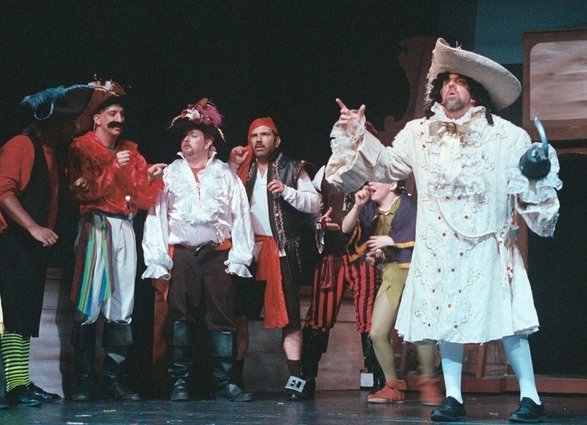
Tommy and I as pirates in another lifetime

Today is Tommy’s birthday. He would be 56 today if he were still living. Perhaps it’s fitting that I spent the day performing for his beloved Opera Birmingham in the inaugural performances of a shortened outdoor romp in the park version of The Pirates of Penzance. He was with me today. I could feel him running around the ampitheater, redecorating the set, supervising the front of house staff, and turning up in the pirate chorus. Gilbert and Sullivan weren’t really to his musical taste but he was all in on any project he had a hand in, whether he personally liked the material or not. He would even have appreciated the weather, with last night’s thunderstorms dissipating by about nine this morning and everything sunny and relatively cool by show time. Other than some minor bobbles with my police choreography in the second show (marching and singing in a mask is enough to make anyone tired), I personally felt it went well and the audience was more than appreciative to at long last attend a live music/theater entertainment conceived to be Covid caution compliant for both performers and spectators.


Many of the patrons were older and therefore have had their vaccines for some weeks and are now venturing out after a year of confinement. The state’s mandatory mask order expired as of yesterday (and our governor is not renewing it but is also not standing in the way of any local ordinances or business decisions) but the city of Birmingham’s remains on the books for a while longer and the audience was compliant with masks and social distancing without complaint. Local numbers have been trending up again the last few weeks, mainly among younger unvaccinated folks. Jefferson County cases, which over the last two weeks had trended down from 80 to about 30 new cases a day, suddenly spiked at the end of last week to over 100 again, likely the result of spring break. Hopefully, it’s a momentary spike and will immediately trend down again. Total US cases keep going up – we’re over 31 million now with more than 561,000 deaths. Only about 60,000 more to go until Covid surpasses the Civil War in terms of death toll and that took four years. On a more modern scale, the number of dead just surpassed the population of Albuquerque to become the 32nd largest city in the country.

I’ve been casting about for a medical topic to write about and it hit me yesterday when one of my patient’s brought in some new patent ‘brain food’ they’ve been taking to stave off the memory loss of aging. I always ask that people bring me the bottles of such things so I can scan the ingredients and determine if there’s anything in them that might interfere with other medications or might cause unpleasant side effects. Most of them are vitamin and mineral supplements (not harmful for the most part, but often not necessary) with various herbs added (potentially problematic depending on the blend and strength). As a physician with a relatively holistic approach to health, especially with the aging (most older people understand their bodies quite well, having lived in them a long time and know what to do to keep them well balanced), I never discourage people from doing what they think is best for themselves, I just try to give them any information I have based in science so that they can make educated choices.


I have a local chiropractor I trust to whom I refer as they can sometimes be more helpful for low back pain than allopathic medicine. I also refer to an accupuncutrist/herbalist locally. There’s a local complementary medicine clinic run by a well trained doctor who works well with the anxious and somatisizers and who is smart enough to refer back to me when he recognizes some real pathology. I don’t see any of these as being any sort of problem for the right patient. So much of medicine is getting people to tap into their own body understanding and wellness that these are just additional tools to do that.
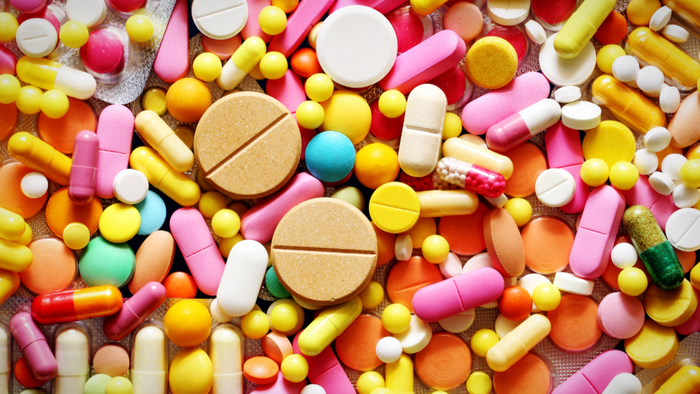

I’m not as fond of the pills. Actual herbs and extracts used in traditional ways are fine but the lumping of a lot of things together, slapping a pretty label on it and advertising it all over late night television is something else. The manufacturers of such products who had long run riot selling pretty much anything in a bottle, were brought to heel by the Dietary Supplement and Health Education Act of 1994. This piece of legislation allows these products to be classified legally as nutritional supplements and therefore exempts them from regulation by the FDA as drugs. In return, they are not allowed to be promoted as a cure for any sort of disease and the labels are, in theory, supposed to match what’s actually in the bottle. (Multiple studies of proprietary studies show that about 1/3 do not contain what’s listed on the label and another 1/3 contain active ingredients which are not listed. A 2013 study of supplements found over 750 varieties that contained unlisted pharmaceutical drugs which should be FDA regulated). That’s why the ads always say things like ‘not intended to cure any disease’ and they are sold for vaguely defined conditions such as ‘wellness’ or ‘more energy’. I gently try to steer people away from them.


At the same time, I do recognize the desperation people feel when faced with serious illness in themselves or a loved one. I’ve felt it myself when confronted with two husbands critically ill with conditions for which I could offer nothing other than love and presence. If I thought there was healing magic in a bottle available, I would have raced out and gotten it, no matter the obstacles. My training, however, makes me understand that miracles are rarely obtained in capsule form. This wasn’t always the case. A couple of generations ago, in the depths of World War II, brilliant minds finally figured out what Alexander Fleming’s orange mold penicillium was actually good for. When applied to injured battlefield troops, it prevented the wound infections and septic shock that had always killed the majority of soldiers and the antibiotic era was born. After the war was over and there was enough of the new wonder drug left over for the civilian population, previously fatal infections were beaten back. Mix this with an intact infrastructure (the only one in the Western World after World War II) and the idea of American exceptionalism in medicine was born and, in the immediate post war years, was absolutely true.


The idea that miracles can be found in pills took full root in American culture and to this day, everyone wants a quick fix two week course of something. While this model works fine for acute infectious disease in the young, it’s not so helpful for the usual chronic diseases of the elderly. The best thing for these is primary prevention, keeping them from ever setting up shop in the first place and this usually requires an understanding of good health habits and a willingness to partake of them routinely. Most would rather do what they want when they want and then demand a fix from the doctor when things have broken down enough to require serious intervention and repair. This does not sit very well with the baby boom in particular. They’re going to be livid in another decade when they finally figure out that neither I nor any other physician in the country has a copy of Ponce de Leon’s map tattooed on our hineys and we can’t turn back time. (Sorry Cher).


If you knew Tommy, give him a thought today. And have some carrot cake in his honor.
April 7, 2021

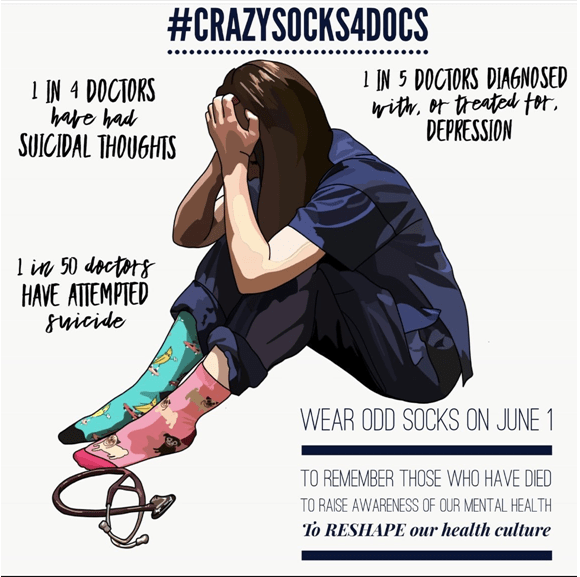
I heard about another physician suicide this morning. It wasn’t someone I had ever met. I knew who he was from some of his postings in a group for gay male physicians. He was quick with a quip, had a nice sense of humor and was posting his usual bad jokes up until the day he died. It made me wonder just what the mental health cost of this past year is really going to be, especially in medicine. UAB gives us a little survey once a month to check up on our mental health. I have no idea what they do with the data they’re collecting, but no one has ever called me concerned from the chairs office so I figure they aren’t overly interested as long as I keep showing up for work routinely and vaguely on time. (I could be a bit earlier in the mornings, but ‘not a morning person’ doesn’t even begin to cover it as anyone who has ever scheduled a 7 AM meeting with me can attest).


I’m not suicidal and am unlikely to ever be. All of the bad that’s happened in my life, both personally and professionally has given me a rather deep well of resilience that I can draw on. I’ve been through the fire, survived and it’s going to take more than a viral pandemic and a societal shut down to really disturb my equanimity. I’m also of an age where I know I’m looking at the end game of my career. I don’t know how much longer I’ll continue working. It’s going to depend on a number of factors that are in constant motion but I don know I have no intention of being in my eighties and tottering around the office older than my geriatric patients. (I’m starting to get a few patients within a few years of me. That’s scary enough).


I am worried about my younger colleagues. They are giving up their 20s and early 30s to the educational treadmill, being forced into significant debt, and emerging into a health system that no longer truly values what a physician is. The corporatization of healthcare and change over into a health industry that has changed its goals from service and social mission to the manufacture of encounters and hospitalizations for the purposes of profit, regarding the physician as just one more cog in the machine. The system recognizes that the physician is necessary – laws dictate that nothing happens in the system without a physician’s order – but not so necessary that he or she cannot be replaced with a less expensive adjunct such as a physician’s assistant or second guessed by sophisticated algorithms contained within information systems. More and more, physicians in their patient advocacy role, are going to be slowly ground down by the implacable demands of the business side of the health care industry.


Covid has exposed a lot of the problems in the system for physicians. During the shut down, when patients did not want to enter health facilities for fear of exposure, falling revenue streams led to cuts in salaries just as they were being asked to step up to the plate and bring their A game to societal needs. The psychic strain on younger physicians caring for deathly ill Covid patients, many young and with whom they could identify, added additional burdens. The current cadre of young physicians is too young to remember the HIV epidemic. I was in the thick of it and sat at the bedside of a lot of young men in the late 80s and early 90s and held their hands as they died as there was no one else who would do it so those of my generation have experiences we can draw on that the younger ones don’t. The acute shortages of staff and the abrupt rise of telemedicine are leading hospitals to experiment with new ways of providing care that don’t necessarily depend on patient and physician in a one on one setting. Better information systems is leading to outsourcing of services to cheaper labor markets as in all other industries.


I had predicted, decades ago, that the late 2020s and early 2030s were going to be rough time for American medicine. This was based on demography and the aging of the baby boom. In 2030 we hit peak age with the older boomers in the early 80s and even the youngest over 65. I had not forseen Covid and its effects on American healthcare which seem to have accelerated the negative trends so that we are in the midst of this transitional time now, a decade ahead of schedule. I can tell it has hit because the demands on me as a clinician by patients and families are accelerating. The high levels of anxiety and depression engendered by the last year are starting to manifest in somatic ways and with people in constant need of reassurance. The paperwork load, with all of the transfer to telephonic and video conference services has doubled. People, now that they are vaccinated, are paying attention to body signals again in heightened ways and developing weird symptoms which need to be evaluated and followed up on. When this is in an older person, there’s always the question of whether something is a normal phenomenon falling within the ever broadening bell curve or an unusual presentation of something which could be disastrous if missed.


One of the reasons I like being a geriatrician is that so much of our work is team based and I don’t always have to rely just on myself to stay on top of everything that could be wrong with my patients. I’m human. I miss things all the time, but with competent nurses and social workers and pharmacists and therapists also looking at the picture, the missing puzzle piece is usually noticed by someone and we can work together to craft a care plan that will ultimately help. When something goes awry, I often second guess myself and wonder what I could have missed or what I should have done differently. When I was in residency and Steve and I were first together, I had a case like that where my patient died and I was kicking myself at home that evening assuming I had blown it in some way. The next day, at work, I opened up my backpack to find a rubber skull in it with a word balloon coming out of its mouth in Steve’s writing saying ‘Dr. Andy, why you kill me?’. That was Steve.

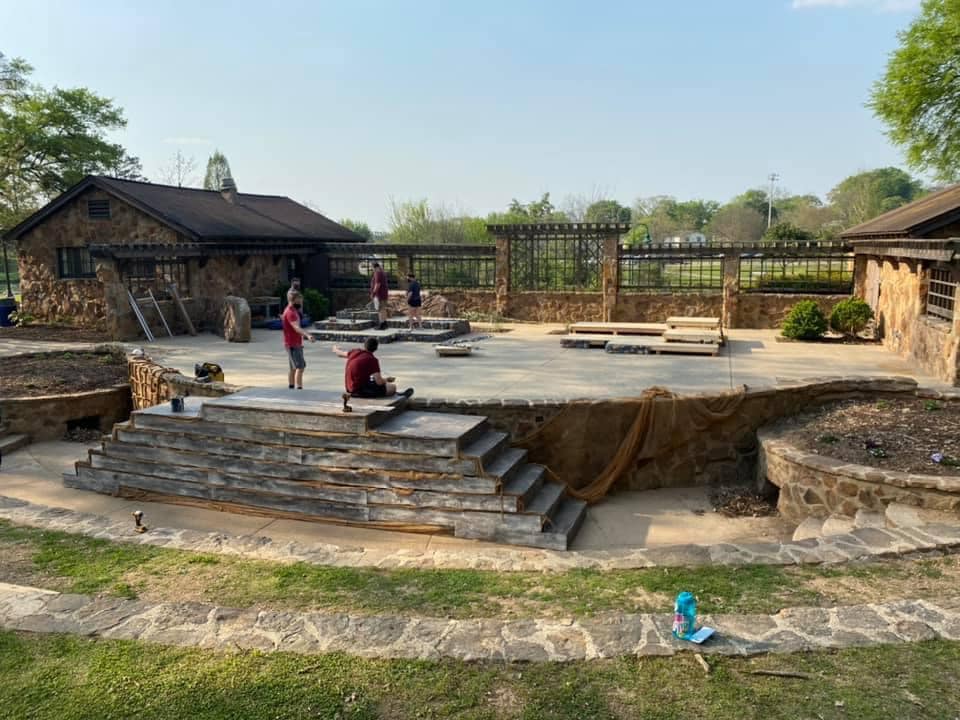
Set load in – Avondale Ampitheater


Quick switch of subjects. Pirates of Penzance has sold out. We had a spacing rehearsal in the ampitheater this evening and the show is going to work well. We are all now nervously watching weather reports as another storm/tornado front is due in the next couple of days. As long as it passes before Saturday at 2 PM we should be OK. We may have to do our dress rehearsals with umbrellas and gum boots. I must say this was one of the easiest parts I’ve ever had to learn as the majority of my lyrics are variations of ‘Tarataratara’ I had those down at the first rehearsal.


Covid numbers are not looking good. We added more than 450,000 new cases last week in the US and the British variant has become dominant. It takes roughly six weeks between your first jab and maximal immunity setting in so all of the people who have been vaccinated in the last month are still somewhat susceptible and those begining their series now won’t be good to go until June. Therefore, it remains imperative to keep up all those good habits. Wear your mask, wash your hands, keep your distance, even if you’ve had your vaccine.

April 3, 2021

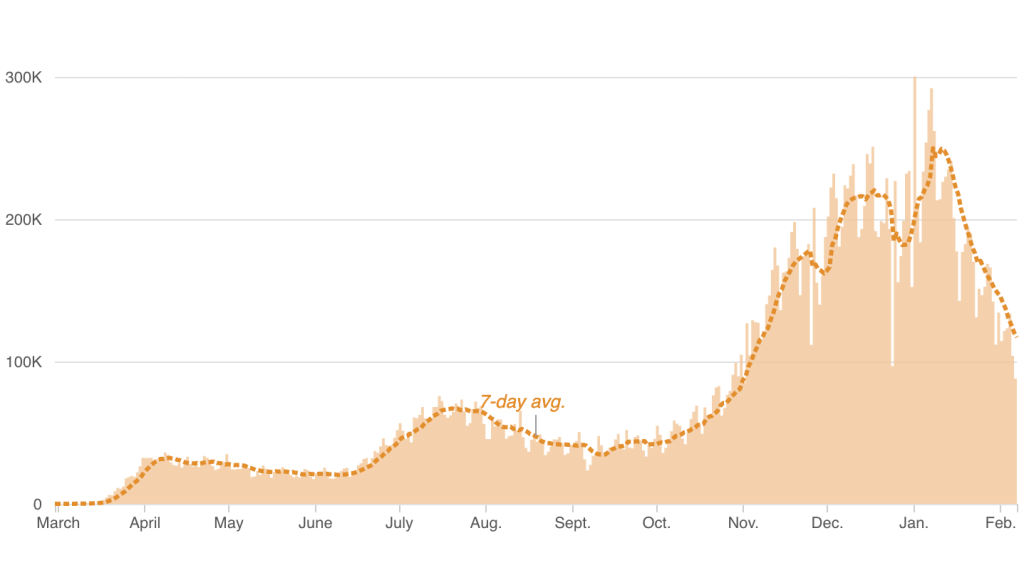
here’s a weird disconnect going on in my head at the moment. There’s the part of me that is starting to believe that the pandemic is nearing an end, that things will continue to open up, that the US of four million vaccines administered a day and a rapid fall in cases from the highs of December and January will continue into a golden summer of everything is all right. Then there’s the part of me that actually looks at the data that the media is downplaying. The numbers of cases are roughly the same as they were during last summer’s second surge; it just seems much lower coming after the huge numbers of this past winter. Mortality hasn’t surged the way it has in the past. I assume this is because more cases are in younger and healthier people as vaccine has been distributed more widely among the elderly and the chronically ill but I really don’t know.

There are worrying trends from elsewhere around the globe. France and Italy are both going back into lockdown in certain areas due to spikes in cases. Brazil, thanks to the Covid denialism rampant in their executive branch, has a heatlh system on the verge of total collapse. More and more variants keep cropping up as large pools of unvaccinated individuals keep propogating virus giving it a chance to mutate and a number of the variants appear to be more infectious than the original. None of them has yet proved to be more lethal but it’s a definite possibility that will happen. As long as a more lethal strain remains covered by the current vaccines, we will be OK.

Alabama’s mask mandate expires on Friday and our governor will not renew it. I’m going to keep wearing mine, mandate or not, as it’s still the right thing to do until the vast majority of the population has been able to be vaccinated. At the rate we’re going, that shouldn’t take a whole lot longer. I don’t know what we’re supposed to do about the portion of the population disinterested in being vaccinated for whatever reason. If it were a very small percentage of the population, it wouldn’t matter as herd immunity would protect the group as a whole, but if it remains the current 30% or so, that falls apart and all we have is a significant population which can keep reintroducing virus variants into the population at large.

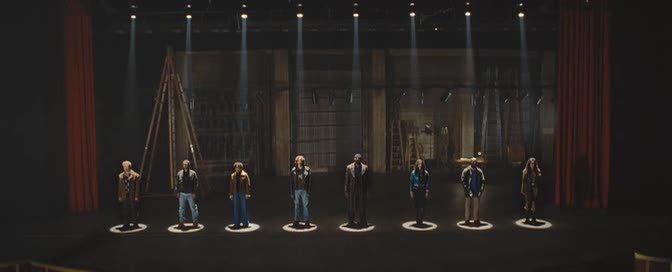
Gaiety or gloom, which should I focus on? On both? On neither? I’d prefer the former but I’ve been around too long to ever let the latter go unattended. Bad things are just part and parcel of the world at large and ignoring them doesn’t make them go away. The gaiety side at the moment includes the CDC statement from late this week that it is safe for fully vaccinated individuals to travel domestically. I can now take my planned trip to Seattle free of guilt. I’m still thinking of driving and making it a two week road trip but haven’t completely made up my mind. I have Delta credits from plane fares for trips canceled by the pandemic which I could use instead. Other happy things include Pirates of Penzance which is coming together quite nicely. Masks make it hard to sing and Covid safety protocols make the staging odd at best but we’ve made it through six weeks together with no one getting sick. I can’t say I’ll look forward to rehearsing again in a parking garage, especially in an Alabama spring. Rehearsals have had ambient temps anywhere from the high 30s to the low 80s.

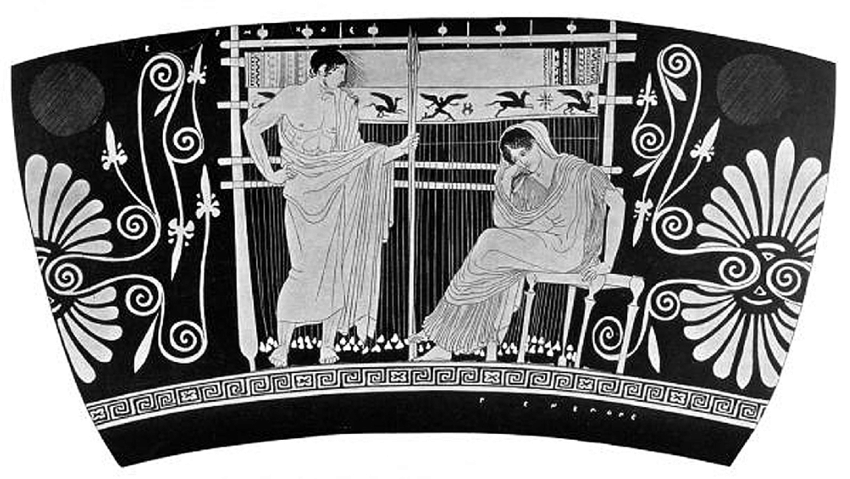
Penelope at her loom

I was part of a Zoom play reading tonight of a play retelling the story of Odysseus from Penelope’s point of view, playing one of the vile suitors who eventually gets his comeuppance once Odysseus returns to Ithaca after his twenty year absence. I’m hoping that some of this kind of work, that allows a cast to be gathered from around the country, continues once the pandemic is past. It allows performers to experiment in some new ways which are rather freeing. The first half of the Tartuffe I filmed has dropped if you’ve ever wanted to see me in a baroque wig. I rather enjoy classical theater and I hope I get to do some more of it as live performance begins to open up again.

I’m trying to think of an amusing anecdote or other fun and pithy thing to write about as I finish this entry in the Accidental Plague Diaries up but nothing is coming to mind. Maybe I should do a few more columns on basic geriatric medicine. Perhaps I should go through my experiences and write down all of the weird little things from my past that I haven’t yet shared and start ticking through them. I’ll take suggestions from the floor.

On a not unrelated note, the book manuscript I have drawn from these Accidental Plague Diaries is finally finished. I need a few early readers to browse the manuscript and give me some feedback before its final polish. To be one of them you must be 1) Local to me in Birmingham so I can deliver you a copy. 2) Willing to read it relatively quickly (it need not be cover to cover – skimming is allowed). 3) Be willing to discuss the answers to a few simple questions with me. If this is you, drop me a message.

March 30, 2021

Numbers from Detroit showing the uptick happening in recent weeks

The news from Covid land is decidedly mixed. I wish it wasn’t. I wish I could say that we are definitely on a downhill slide and that this was all going to be over soon, but it’s just not yet possible to do that. The big push for vaccinations is certainly helping. Most of my patients have been able to at least begin their series and there have been many heartwarming stories from them of finally being able to leave their homes unafraid, reunions with children and grandchildren, and the picking up of social activities for those who have been locked down in congregate living facilities. But it’s still a minority of the population that’s been able to access vaccines to date. It gets better all the time thanks to the efforts of the current administration but it’s going to be a while before everyone who could benefit receives the shot in their deltoid of choice.


On the negative side, the numbers are not looking good. The numbers of cases and the numbers of deaths have both been steadily rising over the last few weeks. I think it’s too soon to say we’re definitely in another surge but it cannot be completely ruled out. What;s driving it? Likely a combination of factors: spring break, a general feeling of that we’re getting towards the finish line so we can relax, governors in more conservative states relaxing mask mandates and other public health measures due to political pressure, the spread of the new variants. The problems with this initial rise over the last couple of weeks is that these might represent the early stages of exponential numbers and, within a month, if they continue to rise in that way, we may be right back where we were in January.


The scuttlebutt among those of us in health care that work the Covid wards is that there’s a bit of a sea change in whom they are seeing. As the elders get their vaccines, the people who are arriving sick as snot requiring ICU care are skewing younger and younger. People in their 30s and 40s who are otherwise healthy devolving from cold symptoms to nonfunctional respiratory systems in a matter of days. We still have a ways to go and it’s too soon to put away your masks and your good habits developed over this last year of pain and loneliness. It’s going to be some months yet before vaccine can really roll out to the younger adult population and, while the chances of any one individual in that group getting extremely ill isn’t great, the vast population means that the absolute number at risk remains high and all of those illnesses and deaths remain preventable.


I’m not sure what to make of the current dissection of the response to Covid by the previous administration that’s occupying the press. Anyone with some knowledge of epidemiology and infectious disease isn’t in the least surprised by the current spate of breathless revelations. Those basic facts were there to be seen by those that looked – from the deliberate hiding and downplaying of deaths in the state of Florida at the behest of the governor to the toadying at the highest levels of the CDC to the political whims of the previous president. I don’t feel any particular sympathy to any of the public figures currently being caught with their pants down over previous Covid responses. They all knew truth. They all chose not to speak it for whatever reason at the time.


One of the chief probllems at the moment remains the language we use to continue our framing and understanding of what is going on with Covid and public health. We use terms such as war and battle. This anthropomorphizes the virus and we then start to presume that it has feeling and thought and strategy. It doesn’t. It’s just a virus, doing exactly what nature designed it to do – spread. It’s spread doesn’t depend on it’s behavior. It has none. It’s spread depends entirely on our behavior. The current rise is likely caught up in our decisions and our choices as individuals and as a society.


This leaves me, of course, as an educated individual both in the ways of humans and the ways of viruses in something of a quandry. I too wish to be free of the proscriptions of the last year and I am fully vaccinated. I have allowed myself a bit more leeway in terms of socialization with other vaccinated folk and I’m not overly concerned about socially distanced outdoor activity (witness my participation in the covid compliant concert staging of highlights of Pirates of Penzance) but I’m not willing to doff my mask, yell ‘Whee’ and dive into a mosh pit. I want to be a good guardian of society and particularly my patients. At the same time, the subtle cues of society are all those of ‘get back to normal’ for both economic and social reasons. it’s not normal yet. It may be more normal than a year ago but it’s not two years ago and if we don’t keep vigilant, it isn’t going to be. I wish our governor, who is allowing our mask mandate to expire a week from Friday, would continue to push it for just a few more months but she won’t for political reasons and I get that. I’m going to keep mine at hand. I’ve gotten used to them. Besides, I have collected quite a few that are fashion accessories.


The second edit on the book edition of these ‘The Accidental Plague Diaries’ is nearly complete. Next stop proofing and then it will be a manuscript worthy of reading. I feel like Little Red Riding Hood – excited and scared that something written originally strictly for myself and friends will soon face a readership who doesn’t know me or how my mind works or where all these strange ideas come from. It will go out there and sink or swim on its own merits I suppose. I have these fantasies of it catching someone’s attention and being nominated for a Pulitzer and then I come back to reality and recognize that if I sell more than 20 copies outside of my immediate circle of acquaintance, it will be a success. My sister has come up with some wonderful concepts for cover art which might sell a few if it ever makes it into a bookstore.


I return to the field with my VA housecalls starting next week. It will be interesting to see what messages of the current administration and public health policy will have penetrated rural Alabama. Until then, keep the mask, keep the hand hygiene, keep the distance.

March 25, 2021

First pictures coming in of the south suburbs where tornados touched down a few hours ago

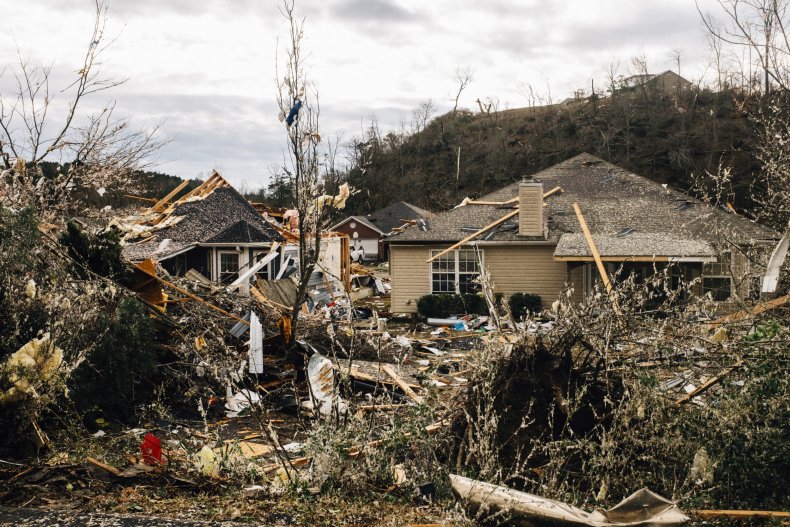
It’s tornado weather. The line of storms set to come over metro Birmingham today is significant enough that the National Weather Service put out a rare 5/5 warning for dangerous tornados in North/Central Alabama today. The first major storm hit my area about forty five minutes ago. Per usual, the central Jones valley in which downtown, UAB, and my neighborhood are located were fine. There are reports of a major tornado having blasted through the southern suburbs. No reports yet on damage/injuries but I can hear various emergency sirens as they head south down highway 280. And now we wait. UAB and the VA both shut down early so I’m doing the work I have left for the day from home, much to the confusion of the cats.


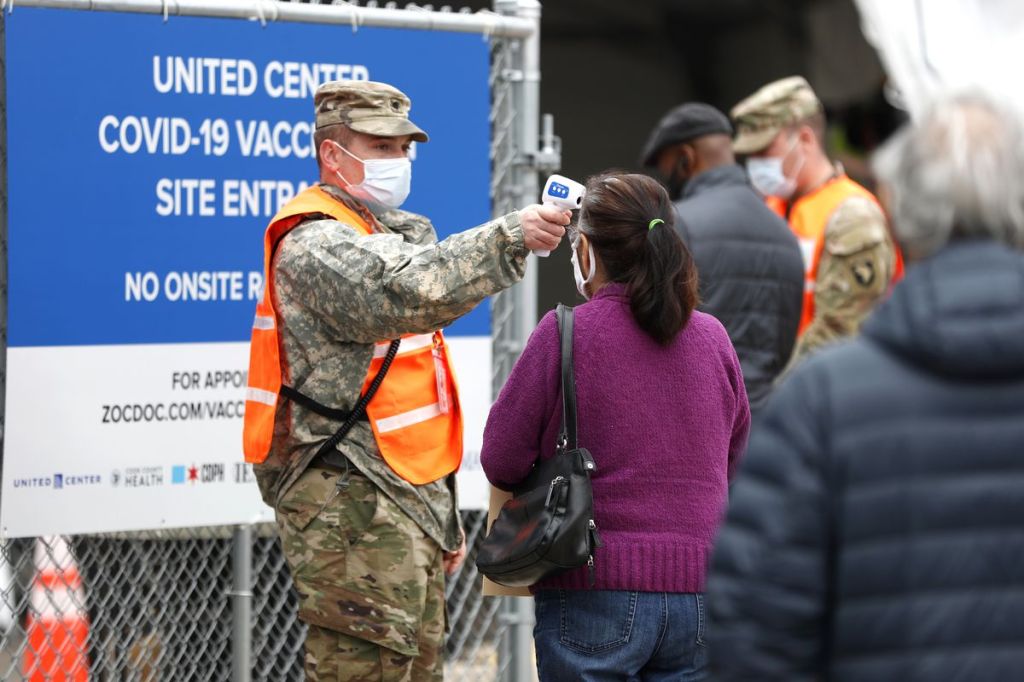
The weather has suspended the local vaccination sites, as they tend to operate out of doors. Supplies of vaccine have gotten better and better over the course of the last few weeks so they’ve been able to work at full capacity and the number of vaccinated continue to steadily rise. The total percentage remains lower than I would hope due to the difficulties of reaching some communities for political reasons, some for trust reasons, and some for access reasons. Alabama still hasn’t come up with a mechanism for vaccinating the elderly that cannot easily leave their homes. I know it’s a problem that’s being worked on and I hope there’s money in the recent stimulus bill that the state health deparment can use to get one of the larger home health agencies with state wide coverage to take the project on.


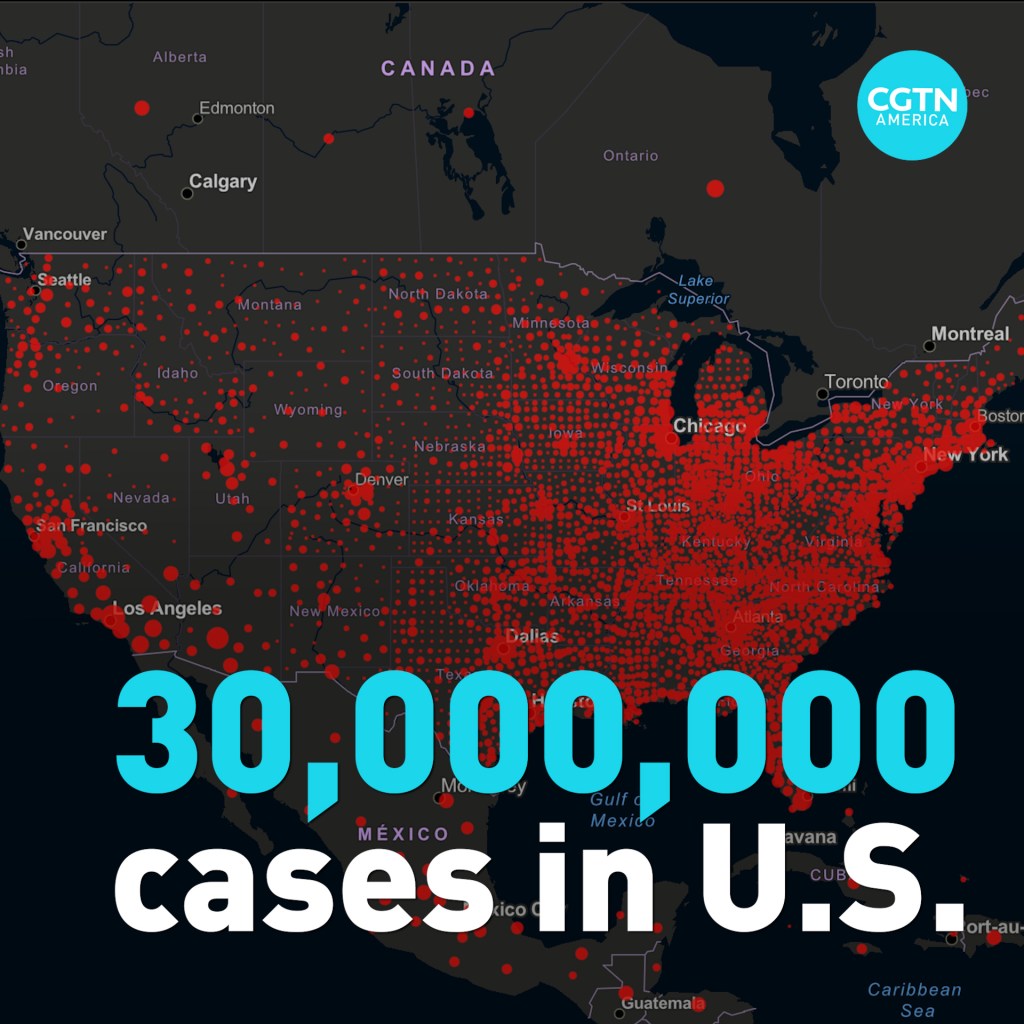
We hit 30 million confirmed cases today, not quite 10% of the pre-Covid US population. With 545,000 dead, our current mortality rate is about 1.8%. So, for every sixty people or so that are told today that they have the virus, one has been handed a death sentence. And it’s a different population than it was. After the huge push to get elders vaccinated, most of the deathly ill are between thirty and sixty and without a lot of health and functional problems. And that’s what’s going to continue to happen as long as there are significant portions of the population that refuse to protect themselves. If the disease were to remain in populations of wilful ignorance, that would be one thing. However, that’s not how viral infections work. It will keep circulating in susceptible populations, continuing to mutate into new strains and, if those new strains are not well covered by either vaccine or natural immunity, there will be new break outs in protected populations and there is no guarantee that one of those new strains won’t be significantly more lethal.


The rain and thunder are beginning outside again. I just hope that today is not as bad as April 27, 2011 when a huge outbreak of tornados locally swept through a number of local towns, most notably Tuscaloosa, and dozens were killed. Tommy and I were both home early that day due to weather and were in the basement watching a movie, just in case. We weren’t really paying attention to the weather news. We only realized how bad it was when our phones began ringing like crazy with people from out of state calling to check on us. We had no damage. We didn’t even lose power. But we found a number of pieces of debris on the top deck and the yard that had fallen from the sky. Pieces of shingles, a carpet tack strip, some random pieces of what looked like someone’s expense report.


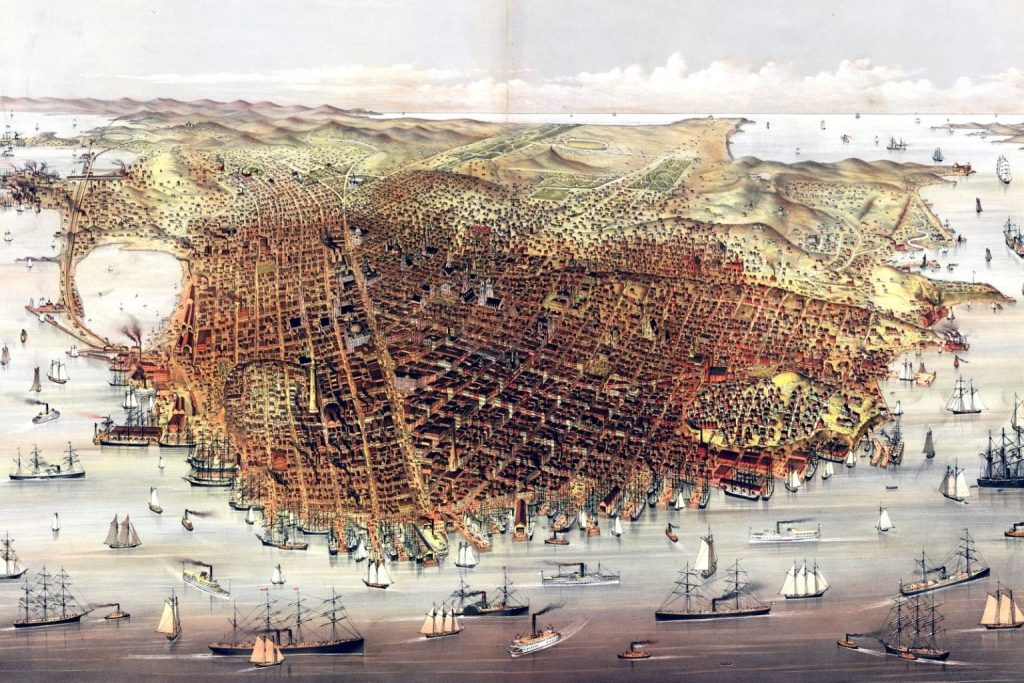
You can prepare for pandemics. They are one of the most reliable and predictable forms of natural disaster, having occured every few generations since time immemorial. You can prepare for tornados by recognizing that they will come where certian climate conditions exist, but you can’t predict exactly where and when they will strike. City planners of the 18th and 19th centuries were pretty good at placing residential neighborhoods (especially those for the wealthy) in places relatively shielded from natural disaster. For instance, the two parts of New Orleans that didn’t flood during Katrina were the French Quarter and the Garden District. I’ve always liked living in older neighborhoods, designed around the pedestrian rather than the car. They’re walkable. Things are close in. And they are well protected. When Steve and I bought our house in Sacramento, we bought close to Sutter’s Fort, the one part of the central city that had never flooded. Sutter had had the good sense to ask the local natives that question before building. Here, tornadic activity always passes well north or well south of the central city where I have always lived.

19th century San Francisco


I read somewhere that one of the reasons that adults become so nostalgic for their college years is that is the only time in their adult lives that they live in close proximity with their neighbors in a walkable environment with lots of things to do nearby during plentiful leisure hours. Then they grow up, move to the suburbs where the combination of urban planning based around the automobile and the ideal of the detatched and the seperate single family home predominates. Cities were designed for millennia to conserve land and to have people live cheek by jowl. You became familiar with your neighbors lives. You were in and out of each others homes. You spent lots of time together in public space as you didn’t have as much private space. Rich and poor mingled and there was a social encouragement of empathy. Sounds a bit like a college campus.


Then came the most destructive invention of the 20th century, not the atomic bomb but the internal combustion engine. It allowed us to grow apart, to live lvies hidden from each other and the fabric of community and extended family frayed. We no longer saw the whole of the messy and complex lives of our friends and neighbors, but only the projections of what they wanted us to see, a carefully curated public face with no complication of the less than ideal family lives that might be going on behind the closed doors of suburbia. This trend has, of course, gotten a lot worse with social media. The end result has been a moving away from empathy and love the neighbor to climb the social ladder by monetizing thy neighbor which certainly explains a lot of what goes on with the prosperity gospel and conservative christian denominations.


I’ll stay out of the suburbs and exurbs for the richer tapestry of my quasi-urban small city life. I just have to remember that I still have to love my neighbor from a six foot distance for a while longer.

March 22,2021

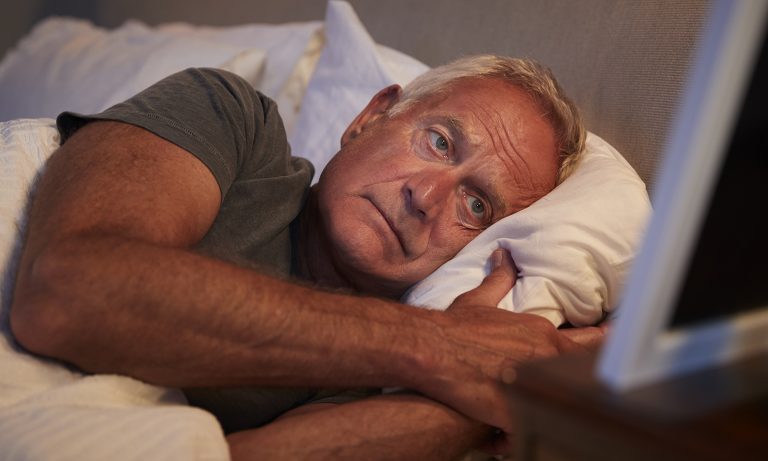
It’s another one of those bolt upright at 4:30 AM mornings. I don’t worry when that happens as I know it’s perfectly normal at my age. My sleeping patterns are becoming a bit more erratic in general. Some nights I’ll sleep nine or ten hours, some five or six. On those latter nights, my brain is trying to get me into the old patterns of first and second sleep that the human race discarded with the onset of shift work and electric light but which our primitive brains remember all too well. I know I’ll be sleepy again around 6:30, just in time for my first alarm to go off rather than for me to snooze for a few more hours so today is going to be a long day with double clinic and rehearsal to follow.


One of the chief complaints of many of my patients is ‘I can’t sleep’. On gentle probing, I usually find that they sleep just fine, they just don’t sleep in the patterns they think they’re entitled to. We all think we should slumber in a state of complete unconsciousness for somewhere between six and ten hours as that’s what we all remember from our young adult days. Young brains are wired to do that, older brains not so much. We’re all cro-magnons and for the tribe to survive the older adults had to wake up at night, make sure the competing tribe wasn’t sneaking over the hill, scare away the saber tooth tiger, and count the children while the younger adults slumbered to conserve their energies for the mammoth hunt. So older adults naturally sleep less deeply and are conditioned by evolution to have periods of wakefulness. The private letters and diaries of pretty much anyone prior to the mid nineteenth century speak of first and second sleep in such a way that it was clear that it was the norm and the scholars and intellectuals often did their best work in the wee hours between the two periods.


The invention of factories led to the invention of shift work which required sleep be compressed. And then electric light separated our daily cycles from the cycles of the sun. The response in western society was to train everyone from infancy to have a single sleep period of roughly eight hours. This was further reinforced in the latter half of the twentieth century by television programming schedules. So now, the elder population, socialized by all of that, feel something is definitely amiss when they wake up at night just as their brains are designed to do and off they troop to the pharmacy and load up on Unisom, Sominex and Tylenol PM.


The problem with this is that the active ingredient in all over the counter sleep aids (with the exception of melatonin) is diphenhydramine, often known by its original trade name of Benadryl. It’s a pretty benign drug in young adults, which is why it’s been sold over the counter for decades. It’ll make you slightly sleepy and clean up your runny nose while it’s at it as it’s a fairly powerful antihistamine (it’s original use). Unfortunately, it’s also very strongly anticholinergic (meaning that it blocks the action of the neural transmitter acetylcholine – a transmitter that’s used in various ways in the brain, gut, and bladder). In older people, where their neural systems are already in trouble from other processes, this can spell disaster. Acetylcholine is the major neurotransmitter involved in memory processes so blocking it can cause significant memory issues. This is the mechanism by which Alzheimer’s disease causes much of its havoc. I have cured more than one case of ‘Alzheimer’s by taking away the over the counter sleep aid. There’s also some evidence that routine use of diphenhydramine by the elderly can actually cause the brain changes of Alzheimer’s. Other side effects are constipation and urinary continence issues.


There are prescription sleep aids that are relatively safe for older people that can be used. I try not to. I try to get older people to understand and accept their own natural body rhythms. And I’m fine with such tried and true methods as warm milk, chamomile tea, and I don’t mind over the counter melatonin (it’s a natural brain chemical involved in the sleep cycle). I do use sleepers in the demented who become completely divorced from the clock and household routines. It’s not about them, it’s about the family who still need to keep to work and school schedules and really need to sleep when grandma decides that three am is the correct hour for practicing her accordion.


So where are we in Covid land? We’re just about to hit 30 million diagnosed cases. For those of you playing along at home, we hit 10 million on November 9th and 20 million on January 1st so the curve is not as steep as it was this winter but continues to inch inexorably up. Deaths are at 542,000 and are still somewhere between 1000 and 1500 daily. As I write these numbers, which would have been unfathomable a year ago, I realize that I’ve become inured to them. They seem less immediate, less real. Is that because I’ve had my vaccination and am less worried about myself? Am I just burnt out? Is it that the media is moving on to other things and while Covid remains in the background, it’s not front and center in the constant information stream that bombards us all on a daily basis? The vaccines keep rolling out at a fast and furious rate (in Alabama, everyone over 55 and everyone with a chronic health condition is eligible as of today) and a significant portion of the population will have that protection shortly. We’ll have to wait a few months though to know what that really means in terms of viral spread.


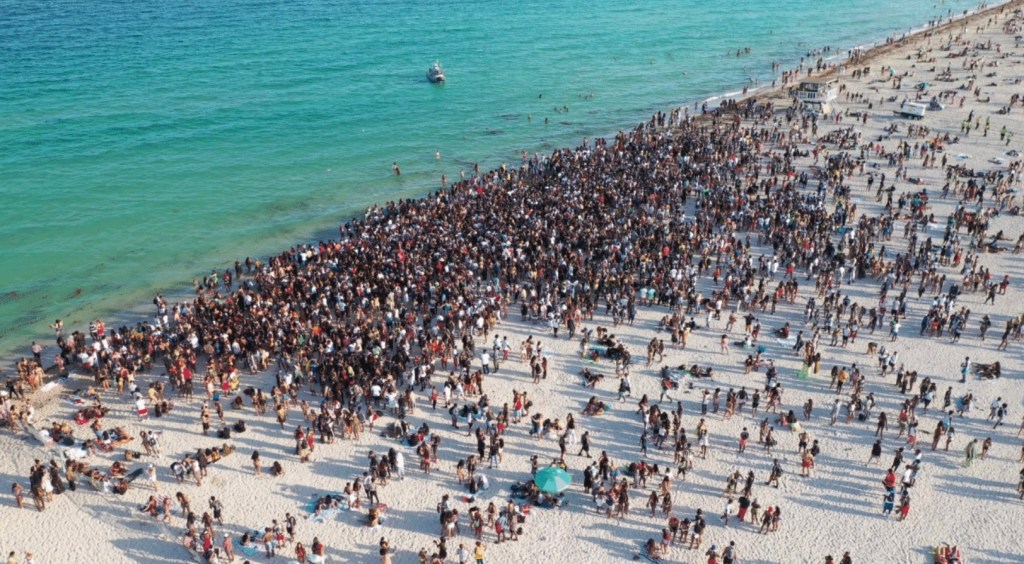
The governor of Florida, who has spent most of the pandemic in a state of denial and cooking the books regarding Covid data, has been given a lot of good press recently and has been leading the charge for fully opening up. This has led to the traditional spring break crowds flocking to Florida beach towns. Young people at the beach are, of course, doing what young people at the beach do much to the consternation of their elders. Will this lead to a new surge as they return to their college campuses and towns after exchanging microbes? With luck, the more vulnerable back home will have been vaccinated and less sucspetible and it won’t be as bad as last year. We’ve all heard about the unrest in Miami Beach and the imposition of a curfew. Out of curiosity, I went looking for social media pictures of the beach in Fort Lauderdale and other beach towns to see if they looked similar. Yup, plenty of mingling unmasked young folk there too. The difference is that Miami Beach is a traditional gathering place for young people of color suggesting that America’s systemic racism is rearing its ugly head once again in terms of unequal treatment.


If you decide to go to the beach the next few weeks, just remember it ain’t over until it’s over. Vaccines aren’t fully protective until about six weeks after your first shot. It remains unclear how much the vaccinated can contract and transmit. So wear your mask around other people, keep your hands washed and plunk your beach towel down away from those you don’t know.

March 18, 2021

I’m growing concerned. Things had been going well in Covid land. The Biden administration, after promising 100 million doses of vaccine in its first 100 days of office, has managed to deliver that amount in 58 days. The numbers had at least plateaued locally and there was a hope that if we could hold steady we might have a relatively normal summer. Now numbers are surging in Europe, trends are upticking here in the US and in Alabama and we may be heading into another season of pain. We’re just about to hit 30 million total cases here in the US (nearly 10% of the population) and we continue to lose about 1,500 people a day.


We’re not going to know how the vaccine push has mitigated virus effects for another month or so. It takes about six weeks from initial injection to full immunity no matter which of the three formulations is used and we’ve only had mass vaccination available for the last few weeks so just how things will play out is unclear. The current uptick in cases represents social action from mid-February, when it started to become clear that cases were falling significantly and probably comes from people beginning to relax their social distancing and mask wearing due to the wide spread dissemination of that information. I’m not sure what’s driving the surge in Europe which is leading to new rounds of lockdown as I don’t have as good insight into social attitudes there. And I’m really unclear about the political backlash against the Astra Zeneca vaccine which had been a mainstay of their vaccination plan. Yes there have been a few issues of serious clotting disorders but it’s unclear if the vaccination is the cause and the rate is only a small percentage of the clotting issues known to be caused by most birth control pills and there doesn’t seem to be any great hue and cry to take them off the market. There seem to be some indications that the Astra Zeneca vaccine, as a British product, is caught up in EU/Brexit politics. At least we’re not the only advanced society putting political considerations before public health.
I’m still very worried about our various social institutions and that something major may still collapse under the strain. We’re still not out of the woods with Covid by a long shot and it might not take much of a change to bring down the health care system or the stock market. Systems failures aren’t usually caused by a massive blow, but rather through the cumilation of small problems which are overlooked or not thought to be serious enough to warrant the cost and energy of repair. Eventually the cumulative rot brings the whole thing down.


I use this sort of model a lot when teaching my patients and their families about falls. There’s not a lot of geriatric disease states that I can make much headway at. No cures for arthritis or chronic kidney disease. Fall prevention, however, brings a lot of bang for the buck. Young people don’t think much about falling over. Young bodies and nervous systems deal fine with it but the older you get, the more likely there’s going to be serious harm. One of the ways in which you know you’ve gotten old is the reaction of others when you fall in public. If they laugh, you’re young If they rush over in concern, you’re old.


Falls are a systems failure – the system that allows our bodies to be bipedal. Most mammals are not. Walking around on two feet is difficult and very hard to balance correctly. It takes most of us four or so years of all day every day practice to get it right. To do it, we must learn to coordinate our vision, what the balance mechanism of the inner ear tells us about gravity and up, what the outside world tells us (which when we stand and walk comes to us solely through the soles of our feet), and what a couple of hundred muscles in our legs and back are up to. All of that information ascends our nervous system, is processed by our brain, and then new signals are sent to the musculature to constantly adjust.


As we age, brain processing slows (it’s inevitable), the speed at which signals travel through the nervous system to the brain and back again slows, vision dims, muscles diminish in size and strength, and then there’s the disease processes which can interfere like neuropathy, arthritis, macular degeneration, and Parkinsons. The ability of the brain and body to work together to maintain balance becomes more and more tenuous. When a young person suddenly loses balance, such as a slip on the ice, a whole series of reflexes immediately go into play (the brain knows fall=bad on a very primitive level). There’s the dance as the feet scrabble to find purchase and the weight shifts quickly on the legs to try and maintain an upright posture. If the brain knows it’s going down, there’s a quick roll to get the arms and hands down to brace the body against impact. All of this is instinctual. You don’t think about it, you just do it. If the fall is serious, the most common fracture is the wrist as the hand and forearm takes the impact. In an older person, the neural slowing means that gravity takes over before those reflexes can fully be implemented and it’s not possible to get the hands out in time. Older people therefore break hips, vertebrae and their skulls, much more serious injuries. We start backing away from fall risks instinctively in middle age. At twenty, we leap from rock to rock across a mountain stream. At fifty, we look at the rocks, then walk downstream and across the bridge.


We can’t always fix the intrinsic causes of falls, but we can do something about the extrinsic ones by helping older patients eliminate fall risks at home and working with them on their gait and balance, teaching them some basic things like not carrying things up and down steps, making sure there is adequate light, and how to adjust posture more slowly to avoid dizzy spells. One of the things that becomes necessary is the use of an external device to improve balance, the dreaded cane. I have learned over the years, especially with the aging Baby Boom, never to refer to these things as canes. Canes are for old and frail people. Young and healthy people in their seventies need walking sticks, alpenstocks, trek poles, shepherds crooks, or some other such device that connotes health and exercise. In about fifteen years, I’m going to invest in a wizard’s staff and a pointy hat for myself.


This is not a new dilemma. We know this from Greek mythology and the legend of Oedipus. Long before he had difficulties with his parents, he was wandering in Egypt and ran across the sphinx. The sphinx, not the nicest of creatures, asked a riddle of travelers. If they answered correctly, they were allowed to pass; if not, they were torn limb from limb and tossed in the ditch. When Oedipus met the sphinx, the ditch was full of decaying bodies as the sphinx had not yet been defeated. Oedipus, being a cocky young man, said hit me with your riddle to which the sphinx replied ‘What walks on four legs in the morning, two legs at noon, and three legs in the evening?” Oedipus thought about it and replied “A human. First they crawl, then they walk, and then they need a staff”. This was, of course, the correct answer and he was allowed to pass. This story, which is three or four thousand years old, shows us that the need for assistance in ambulation as we grow older has always been there. We just like to pretend we’re not the same people our forebearers were.


Thus endeth the lesson in geriatric medicine for the day. Go forth in peace, but washeth thy hands, weareth thy mask, and keep thy distance.

March 14, 2021

Wisteria – always one of my spring favorites

It’s Sunday night, the first day of Daylight Savings Time so my body is having a hard time deciding how late it is. I’m boycotting the Grammys – I still haven’t forgiven them for giving song of the year to Killing Me Softly With His Song over American Pie in 1972 and it’s time for my biweekly update of the Accidental Plague Diaries. I have no idea what I’m going to write about this evening, but that hasn’t stopped me in the past. Something usually starts to take place as I let my fingers run over the keyboard.


The weather has been lovely and spring like here in Birmingham the last few days. Sunshine. The pastels on the trees are bursting forth in their usual sequence. Tulip magnolias two weeks ago, Bradford pears this last week. Flowering plums and cherrys, dogwoods, redbuds and gobs of wisteria still to come. It’s my favorite time of year hear. The flowers are lovely, it turns warm without being hot and the humidity has not yet crept into town. I tell people that if they want to visit, late March through early May is the time to do it. We’re not out of the winter woods yet though. There’s usually a cold snap that breaks our weather into first and second spring and it’s threatening to arrive this next week. I’m just hoping for good weather the second week of April when we perform Pirates of Penzance outdoors. The only other outdoor show I’ve done in town was Twelfth Night for Shakespeare in the Park in August and that was miserably hot and sweaty.

Mass vaccination centers opening up

There has been very good news on the Covid front. The numbers of vaccines available nationally is greatly accelerating. Per the CDC, nearly 4.6 million people received a vaccine yesterday. That’s up from the record 1.6 million people last weekend. At this rate the administration’s goal of getting every adult American a vaccine who wants one by the first of May is likely to be met. If you haven’t gotten yours yet, it’s coming. Just stay on those lists. The percentage of people refusing vaccine, mainly for political reasons remains too high for the epidemiologist in me to be comfortable. I keep hoping a cerain ex-president, who was vaccinated himself in January, will publicly call for the vaccine as a step of atonement but I’m probably reaching too high.


The most concerning issue remains the mutation of the virus and the rise of variants. The majority are still covered by the extant vaccine although there are variants in South Africa and Brazil where this isn’t as clear and the last thing we need is a resistant variant winging its way around the world just as we’re starting to get our vaccination game together. The Astra Zeneca vaccine (not yet approved in the US) was considered one of the major hopes for poorer nations as it was inexpensive to manufacture and easy to store. There are reports out of Scandinavia of a number of serious post vaccine clotting disorders and it has been pulled in Norway. If this turns out to be a real issue, there’s going to be a problem. We tend to forget in the US that the pandemic is a global, not a local issue, and that solutions need to be global in order for transmission to cease.


We’re heading into the easter season. In my house growing up, easter was big for the egg hunts. The first one I remember was shortly after we moved into the house in which I did most of my growing up. I was three, nearly four, and still an only child when I came down on easter morning and was upset because I could only find two eggs. I complained vociferously to my mother who told me that the easter bunny had determined that I was getting smarter and that eggs wouldn’t be in plain sight anymore and I needed to be more diligent in my searching. I went back and figured out that the easter bunny had put eggs inside of things or behind books. Later easters often found us traveling, either out to the Washington coast or down to San Francisco to see my grandparents and back. Our family easter bunny was quite resourceful at creating egg hunts in cheap motels and vacant fields across the road from cheap motels.

I kept up egg hunts well into adult hood. I used to do them for Steve when we lived in Sacramento and, at one point in the mid 80s when I was still in med school, I invented a game for an easter brunch at a friend’s house called ‘Dr. Jekyll and Easter Bunny’ in which there was an egg hunt with good and bad eggs. The object was to gather good eggs into your basket and slip the bad eggs into other people’s baskets when they weren’t looking. I can still remember a bunch of adults tearing around a backyard to the strains of Mendelssohn’s Italian Symphony as the game got under way. (Daniel James Cole I seem to remember you being there…) I haven’t done a good egg hunt in a while. I have a plan to remedy that this year.


In the meantime, onward with other projects, but always mask on hands washed and distanced (unless vaccinated and around small numbers of other vaccinated people according to the CDC).

March 11, 2021

One year. 525,600 minutes as Jonathan Larson taught us in his anthem from ‘Rent’. One year ago today, the World Health Organization officially classified Covid-19 as a pandemic and the coronavirus crystallized into the national consciousness in a way that it had not in the past. I had seen it coming. I know enough about virology and epidemiology from a physician’s training to know it was out of control and coming our way several weeks earlier. I, naive as I was, assumed that the combination of the resources of the US government and our national character of pulling together in adversity were going to help us brace for the impact and deflect the damage. I hadn’t understood just how hollowed out and damaged our institutions had become or how fractured we were as a society until those first few weeks when a combination of willfulness, ignorance, and spite took over what should have been a time of courage and sacrifice laying the groundwork for the next year of our lives that would profoundly affect us all.


I had written the first piece of what was to become these Accidental Plague Diaries the evening before. I was well aware of the issues and what was happening but I was afraid to write about it, to actually give it form and shape with my words and make it more real. Eventually, the shadow on the horizon loomed too large and there was no way I could not write about it and still make sense of the world and so I wrote… and wrote… and wrote. Producing over a hundred essays over the course of the year exploring the virus, the disease, the impact on the health system, the impact on society, historical parallels, and how I found myself changed by what was happening around me. I am in the process of editing a significant portion of them into book form and hope to have it published this summer. As I reread and edit those early pieces, the emotional state of last spring – the not knowing, the understanding that my professional world could collapse, the steeling myself for the losses that would happen – comes creeping back. I’m more optimisitic now in general but still feel like I am carrying a huge weight from everything that has occurred since pandemic day a year ago.


On that day, there were a total of 29 known Covid deaths. As of today, there are nearly 531,000 – roughly the same number as in Jonathan Larson’s famous lyric. An average of one person a minute every minute for a year suddenly gone leaving a hole in our social fabric and a bereft group of family and friends wondering why? Pandemics are not new. They crop up routinely like other natural disasters such as earthquakes or hurricanes and have been since the human race decided that hanging out in groups is beneficial. The difference this time around was an ignoring of the pandemic for political reasons leading to a death toll many times higher than it needed to be. Numbers are down, vaccine is out, but the mortality rate remains about 1,500 a day nationwide. That’s enough to cut a full year off American life expectancy – two and a half years for most American populations of color and less for white populations. Covid was the third highest cause of death for 2020 – bested only by heart disease and cancer.

President Joe Biden signs executive orders regarding his administrations’s response to the COVID-19 pandemic, at the White House in Washington, Thursday, Jan. 21, 2021. The sprawling 200-page national pandemic strategy Biden announced here includes speeding production of COVID-19 supplies, increase testing capacity and requiring mask wearing during interstate travel. (Doug Mills/The New York Times)


The new administration is half way to the hundred day mark. It seems to have solved the problems of vaccine manufacture so there should be plenty of doses in the pipeline over the next month but has not yet completely solved the issues of vaccine distribution. The previous administrations plan of just distributing to state health departments, chronically underfunded institutions without much clinical infrastructure, turned out not to be the wisest of decisions and, as new rules have been put in place and vaccine is now sent to health systems used to creating clinical programs, things are improving in the get the shots in the arm deparment. We’ve still got quite a ways to go. UAB is opening up a 5th mass vaccination site this next week and I am pretty certain that the backlog of older and at risk people waiting for vaccinations will be cleared in our area by tax day. The VA, for all its faults, as a clinical system with access to supply from federal channels has done a heroic job with getting its patients vaccinated. The local VA has now given at least one shot to more than 50% of its active patients.


There’s been some good news on the vaccine front. New numbers out this week show that the Johnson and Johnson vaccine, where earlier studies showed less efficacy post vaccination than Moderna and Pfizer, is pretty much equally effective after six weeks. So it doesn’t really matter which of the three you get. Six weeks after the initial inocculation, you’re pretty protected. There’s also new data out of Israel (the country which has done of the best jobs in getting its entire population vaccinated) suggesting that all of the vaccines significantly lower transmission rates in the community as well as protecting the individual. Pretty much all of the adult US population seeking vaccine should be well protected by late spring. Then comes the problem of trying to handle the significant portion of the population which will refuse for political or other reasons. As long as that sector of the population remains the size it is, the virus is going to continue to be an issue. I don’t have a solution for this one.


A number of people have approached me about getting vaccinations for frail elders bed bound at home who cannot easily be gotten into cars for drive through vaccination settings. It’s a population near and dear to my heart, the people that made me realize that geriatric medicine was my calling and around whom I have designed my career. I know what the problem is. The legislation regarding vaccine has the cost of the medication itself borne by the federal government. However, providers are allowed to charge an administration fee (waived by most programs currently) to cover their costs for supplies/labor etc. Delivering vaccine to homes is a labor intense proposition. Even using the Johnson and Johnson that does not require the cold chain still means a skilled vaccinator having to go out and administer. As all of the vaccines are under emergency use protocols, there are things that must be done in terms of paperwork and patient monitoring that are not necessary with approved vaccines like flu shots. It will take 30-40 minutes per household to deliver shots and, with travel time, you might be able to get in ten visits a day per vaccinator. No one has decided that they want to be the organization that is going to absorb these costs (with the exception of the VA locally) which is why it’s just not available. The state doesn’t have the money. Almost all health institutions are for profit in some way and aren’t going to want to take on a considerable unreimbursed cost. It will get solved eventually but things are a bit at an impasse.


Until all of these kinks can be worked out, even if you’re vaccinated, you know what you still need to do. Wear your mask. Wash your hands. Keep your distance. Like we’re doing on our imaginary beach in Penzance.

March 7, 2021

It’s Sunday evening. I’m not in a foul mood. I really don’t care what the Duke and Duchess of Sussex have to say about the British Royal Family. The weather has been nice. Vaccination news has been incredibly positive with several million more people receiving their jabs in this country over the weekend. So what to write about this evening? These essays are usually powered by a strong emotional through line of some sort but there really isn’t one percolating this evening.


Yesterday was about chores. Biweekly grocery run, once every few month Costco run, pet store for big bag of Science Diet Hairball Control Formula run, followed by laundry, and reorganizing a number of things around the condo that had fallen into disarray plus stowing away my makeshift film studio out of the dining room as Tartuffe is over and nothing else is on the horizon other than the filming of a lecture on basic geriatrics for a national board review course next week. The next theatrical project is rehearsing and performing in person over the next five weeks – masks, social distancing, and all such other safety protocols in place. Today was about connection. On line church service in the morning, picnicing in the park with old theater friends (properly socially distanced) in the afternoon, and the monthly extended family zoom meet up in the evening where the cousins all catch up with each other.


So I suppose the big question that I’m grappling with as things are improving is how much how fast and what will be restored to pre Covid norms and what will remain altered? Firstly, we are certainly improved in terms of hospitalization and death numbers from where we were early in the year and the fall has been relatively rapid, likely due to the use of vaccine among the most vulnerable populations. However, vaccine is still coming on line in fits and starts due to the previous administration’s not putting the full force of the federal government’s powers behind it and the current administration’s need to play catch up. We need to keep up all of our good habits for a while longer. If the amount of vaccine promised materializes, we’ll be in a situation around Easter where the majority of people who have been chasing vaccine will have received it and we will start to see vaccine chasing people as the public health system tries to find harder to reach and educate populations. A significant number of these people will need to be vaccinated in order for us to forego masks and social distancing, otherwise, there will be large populations trading virus around and higher chances for mutations and reintroduction into more protected areas of society.


When can we have blow out indoor parties and rehearsals and theater and sporting events and dances and all the other things we have been missing for the past year? I don’t know. I’m hopeful for the fall but a lot is going to depend on how accepting people who have been fighting against basic public health measures for political reasons come back into the fold. I would keep an eye on Texas. Their decision to completely open up everything as of this weekend will cause changes in behavior. Those changes in behavior show up as changes in case rate in 2-3 weeks, changes in hospitalization in 4-6 weeks and death rates in 6-10 weeks. It will be interesting to see what happens in Texas in April in comparison to other states playing it safely. It will also be interesting to see if new mutations spread within Texas, and then beyond its borders as traveling Texans carry it around. With luck, none of these will cause serious issues but one never knows, does one…


My professional life will have significant changes no matter what. Telemedicine is here to stay. I don’t particularly care for it on my end as I feel like I miss far too much not being in the physical presence of my patient and able to pick up on subtle cues. It will be OK for what I call my ‘Well Baby Checks’ on long term patients with stable issues, as long as they come in person occasionally, but it’s not good for new or unstable patients at all. I also have a feeling that masks are likely to remain de rigeur in health care facilities long after the pandemic has faded. They’ve made such a huge difference in the transmission of viral illness in general, as evidenced by our essentially non-existent flu season, that the Joint Commission is likely to require them on staff (and possibly on patients). I wonder if we will adopt in Western society, the habit of Asian societies of putting on a mask to go out when you have any sort of viral symptoms now that we’ve normalized them over the last year.


Both my friend and family gatherings today were interesting as the focus was not so much on the past and loss, but on the future and what possibilities are to come. The theater friends were full of discussion about what would be needed to jump start and rebuild live theater after the great pause. The family about what was coming up with professional lives and future plans for pushing ahead with life. I find that very hopeful. Americans are incredibly resilient when we need to be and move forward relatively well when given a few guideposts (and for the first time in years, I feel like we’ve been getting some from the very top). I only fear that as things improve and we all work on moving forward that we will forget the lessons the last year has taught us regading work/life balance, how to care for each other as communities, how to listen to those of differing experience, and how to slow down and savor smaller things.


I, for one, want to figure out a new balance between work, theater, writing, and just plain living. I don’t know what it’s going to be yet but going back to what was just doesn’t feel right. Forward, always forward, but with a mask on and social distancing for a few more months at least.