June 1, 2022

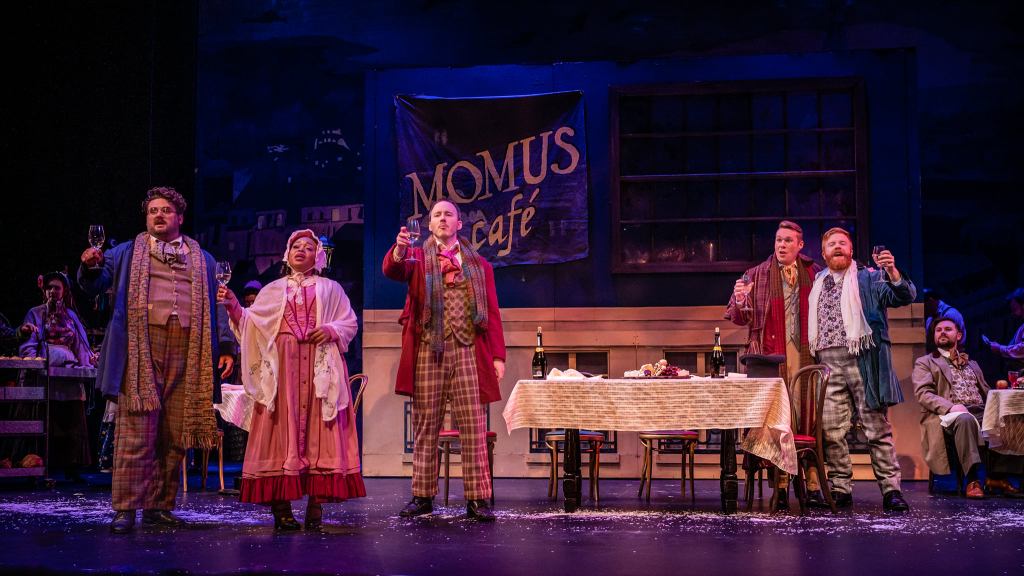
It’s late. It’s been a sixteen hour day so far beginning with a 7 am breakfast meeting, extending through a relatively average UAB clinic day, a voice lesson, a doctor’s appointment (yes, even physicians of a certain age need to take care of their health), some household chores, and second dress of The Merry Widow. I have now returned home from the Paris of 1905 and its embassy balls, garden parties, and hoopla nights at Maxims (where all of Parisian society seems to wear the same clothes evening after evening). The cat is demanding attention and keeps crawling over my keyboard much to my consternation. Please forgive me if there are more typos than usual. I guess I’m pretty much back in prepandemic mode in regards to life patterns, at least this week. I have one more theatrical venture after this before my season ends for the summer – a Broadway Backwards fund raising concert for which I am acting as MC which happens in mid June. Then, there’s nothing until after Labor Day allowing me time to make all the final edits and decisions for volume II of these Accidental Plague Diaries.

My patterns may be prepandemic this week, but I have a feeling it’s a bit of a case of gather ye rosebuds while ye may. There’s another surge abrewing – it just remains to be seen how quickly it will spread and what it might mean for our beleaguered public health and hospital systems. The culprits are new variants of omicron, dubbed BA 4 and 5 by WHO which, like the original omicron originated in South Africa over the past month. South Africa was so hard hit by the original omicron that something like 97% of the population has Covid immunity either from vaccine or prior infection. Despite that, these new variants are causing a surge there, which has spread to several other countries, notably Portugal which has one of the highest vaccine rates in the world. It’s believed that these new variants are quite good at evading antibodies and the immune system and at causing reinfection in those who had the original omicron strain back during the holidays and those who have been vaxxed and boosted. It’s definitely in the US and the numbers have been rising. How fast and where are a bit debatable as so many localities have wound down their public health surveillance programs due to lack of manpower and funding and because so much of the testing is now home based without good abilities to collect and follow up on that data.

Alabama, which has been at a low point with Covid over the last month, is rapidly going back up with the number of cases doubling over the last ten days or so. Double of a very low number is still a low number but if it continues to do this, exponential math will start to work its magic and it will go from nowhere to everywhere in a few short weeks similar to the original omicron wave of December and January. I just know that a number of friends have had Covid infections in the last few weeks, caught in the community. All of them have been vaccinated and had at least one booster. None has become ill enough to require hospital treatment but their need to quarantine has disrupted plans. My advice at this point? The usual litany. Hand washing, avoid crowds of unvaccinated people in tightly enclosed spaces. Mask up if in doubt. Not a bad idea to get that second booster, especially if you’re over fifty or have either a disease or medication that can affect your underlying immune system.

Merry Widow rehearsals have been giving me a backache. This is not usual for me and the show is not particularly strenuous so I’ve been trying to figure out why this should be going on. I’ve finally decided that the flooring of the stage deck, which contains a large revolve, is just springy enough to cause me to have to tighten and loosen my low back muscles constantly to keep myself in good balance and my low back muscles are complaining. It’s not keeping me from doing everything I need to do onstage but when I come off, I claim seniority and make sure I get one of the chairs in the wings. Pretty much every show I’ve ever done has left some sort of mark on me and I guess this one will go down in personal history as the lumbago show.

Technical and dress rehearsals on this production have gone smoothly. The set is uncomplicated, I’m wearing my own personal formal wear so everything fits more or less, and the most complicated thing I have to do is some ballroom waltzing which I’ve been able to do since Ed Long’s ballroom classes for 7th-9th grade at St. Stephen’s Church in Laurelhurst. With a 6 PM call, we’re out of the theater, even with notes, by 10 PM and I can handle that, even at my advanced age. I am reminded of some other shows I spent time on in my misbegotten youth, perhaps most infamously, a production of Three Penny Opera put on by the Drama Department at Stanford my sophomore year. It was on the mainstage of Memorial Auditorium, featured a four level set, a raked stage, a flying carousel horse, a cast of fifty, and a design based on George Grosz. I was one of three stage managers and the production was so huge that tech week, I had to be there by five and we weren’t out until after midnight, on top of all my regular schoolwork. I had at least two nervous breakdowns that week trying to fit everything in on top of sleep deprivation. It was good training for internship that would hit me a half dozen years later.
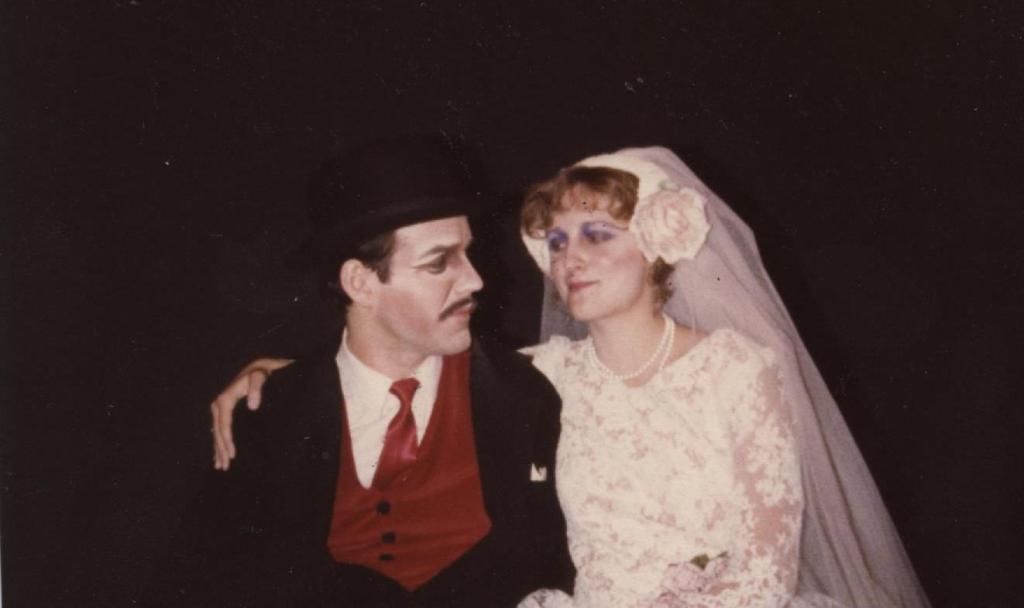
The only picture I could find off hand of that Stanford Three Penny Opera

At one point in the show, Mack the Knife’s gang, who have stolen a bunch of valuable furniture, are supposed to ‘saw’ the legs off of a harpsichord to turn it into a bench. I’m not exactly sure what Brecht meant by that piece of business, but it did mean the props department had to build a fake harpsichord and fit it with breakaway legs that could be sawed off on cue. At one performance, the breakaway legs broke away a few minutes too early and the harpsichord came crashing down shortly after being carried on stage to the mortification of the actors. I seem to remember being blamed for that one as the harpsichord was one of my presets. I also remember having to climb up to the top level with an ailing actor with a basin just in case he had to throw up before he made his entrance. I was also on the fly crew for the carousel horse which had to ascend fifty feet up into the wings before making a graceful descent onto an upper platform. That always went correctly which was just as well or the actor playing Tiger Brown could have been seriously hurt. Audiences have no idea how dangerous stages can be what with running around in the dark with all sorts of not to code platforms and staircases. I’ve been very fortunate. I’ve had a couple of noninjury falls on platforms, fell off the stage apron once into the first row, and had the Anatevka train station flown onto my head during a performance of Fiddler on the Roof. None caused any major disruptions.

Midnight, not a sound from the pavement. Time to roll over onto the cat and get some sleep.
May 28, 2022

Monkeypox

It’s magic hour out on my terrace; that time beloved of all cinematographers when the golden pink light of sunset gives everyone a magic glow. And what am I doing, sitting on my bed with my laptop, watching the sunset through the open patio door while an old episode of CSI keeps me company whilst writing this. There’s probably some metaphor to be made out of that, something along the lines of watching life through the window while finishing the hat.

I’ve been editing the writings that are becoming Volume II of The Accidental Plague Diaries (this itself will be in a tentative Volume III). I’m still on schedule to complete the editing by the end of June and have the book available around Labor Day. While reading through my experiences of 2021 and my musings on the roll out of vaccines and the Delta wave, while it was only a year ago, it almost seems like a decade, so rapidly has the pandemic upended and changed everything about our society and how we relate to each other. Volume I continues to sell modestly well for a book with no publicity budget from a micro-press and picked up yet another award this week (I believe that makes five). None of this was written to make money or set the publishing world on fire, but I am hoping that fifty or a hundred years ago, some historian studying the effect of Covid on the US, finds it useful as primary source material. And I hope my current readers continue to gain a modicum of amusement from my reflections of the pandemic and all of its tangents as they occur today.

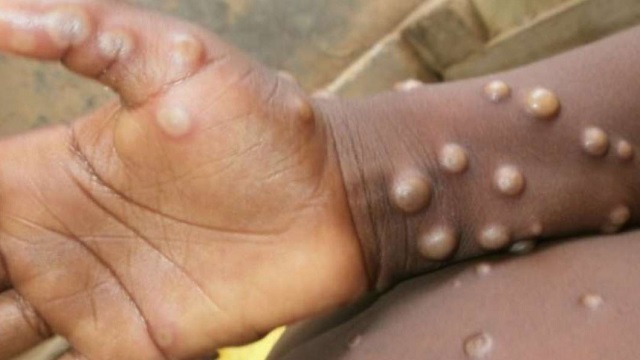
Covid has, of course, been retired from the headlines recently despite the numbers continuing to slowly increase due to societal fatigue with the subject – twenty six months is enough after all combined with the very human need for novelty, in news reporting as in all other things. The infectious disease beat, always looking for some new disease that can scare us, is chasing after monkey pox. Yes, it’s spreading slowly in Western countries, no you don’t need to be majorly concerned about it. Monkey pox is a close relative of smallpox, once a major human scourge which has, in recent years, been eliminated due to vaccination programs worldwide. Small pox had upwards of 30% mortality rate. Monkey pox is rarely fatal. It is not easy to catch. The R0 (number of people an index case can infect on the average) is somewhere around 1.2. Compare this to the R0 of 7-10 of the currently circulating subvariants of omicron. In general, you have to be in fairly close and prolonged contact with an infected individual to be at risk. As it spreads so slowly, the usual public health measures of containment and contact tracing are quite effective. There is also a vaccine.

An outbreak of monkey pox in Western Society has been predicted for decades. This is due to the overlap in immunity between smallpox and monkey pox. My generation and all those older and the older Gen Xers below me were all vaccinated for small pox. This practice ended in 1972 after the disease was eradicated in the US. However, as the vast majority of the population was vaccinated and immune, there was no way for monkey pox to ever gain a foothold. The cross immunity and herd immunity prevented it. Now, however, the majority of the population was born after 1972 and therefore unvaccinated against small pox and therefore vulnerable to monkey pox. With every year, more and more of the older generation that conferred herd immunity and were immune themselves dies off leaving the population more vulnerable for a pretty much inevitable outbreak. So, if you’re under fifty, you do have a bit of a risk as you don’t have vaccine immunity but the number of cases remain a handful and it’s the kind of slow moving disease that even our rickety public health infrastructure can deal with so don’t spend a lot of time worrying about it. I know that’s easier said then done. All of our nervous systems have been upregulated by our experiences of the last few years and we’re all on edge with much higher levels of anxiety than we usually have at baseline so we will tend to blow things a bit out of proportion, especially those thing we feel we cannot control in some fashion.

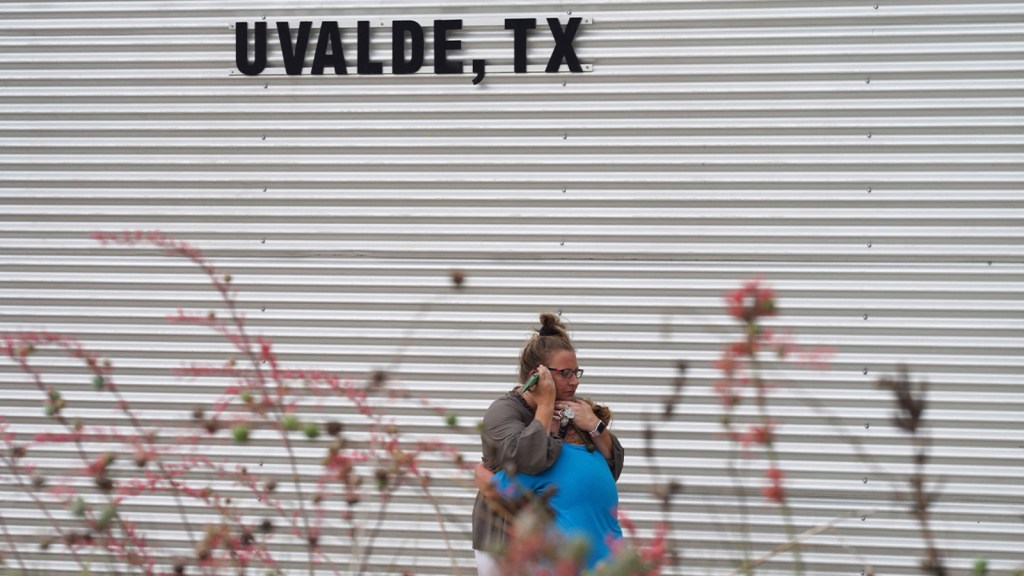
The other headline grabber is, of course, the tragedy in Uvalde with the latest massacre of children by a deranged individual with a weapon of war designed specifically for killing large numbers of humans in a very short time. Every time we have one of these incidents, which occur with great regularity in our society and nowhere else in the world, I wonder if we are finally going to come to our senses in regards to the second amendment and semi-automatic weaponry. We never do. There’s too much money to be made in creating a climate of fear that causes a certain segment of the population to purchase more and more weapons which in turn enriches the manufacturers of such weapons who then turn a portion of the profits over to lobbying organizations who use the money to purchase loyalty from lawmakers. Congress, as we have all seen over and over again in recent years, is beholden to those who fund their increasingly expensive campaigns, not to their constituents. The ‘world’s greatest deliberative body’, having divided itself into two armed camps, has entered a state of paralysis and is, once again, refusing to do the first job of government which is to protect the citizenry. We’re going to see more children offered up on the altar of the second amendment before things change. Perhaps if we publicized the photos of broken and bleeding bodies so we couldn’t safely tuck these events away in the abstract.

I was doing some reading on the science behind the study of mass shootings and the evidence suggests that we are looking at them in the wrong way. They are not really acts of mass homicide, but rather acts of violent suicidal rage in which the homicide victims are collateral damage. Perpetrators are generally created starting at an early age from childhood trauma and deprivation and, when they begin to show disturbed behavior in later childhood and adolescence, the sort of mental health services that could short circuit these problems simply don’t exist or are grossly underfunded. It’s not the least bit surprising to me that the segments of the population that wish children to be born, no matter what, and not that children be wanted and nurtured, thus ensuring a constant stream of neglected and abused children who will develop underlying psychiatric issues, are also against controlling access to firearms and against any sort of expansion of mental health or other social services as that might give ‘the other’ access to ‘free stuff’. I don’t know what it’s going to take to get the legislative and judicial branches to act. Thirty dead children? Forty? A hundred?

Uvalde, a town of 16,000 people, spent 40% of its town budget on its police department and, due to the militarization of the police over the last few decades, had its own SWAT team. The local police had been through active shooter training just two months ago. The first point brought up in that training was that time was of the essence and that police should move in immediately in such a situation. We all now know they did not. They were afraid for their own safety when confronted with a shooter with a semi automatic weapon (that should be a telling point). They dithered, performed crowd control, prevented frantic parents from entering the school, and the delay cost lives. I’m hoping this starts to put to rest the myth that the solution for bad guys with guns is good guys with guns. And maybe John Q. Public will start to think that letting anyone purchase a weapon that the police are afraid of may not be in the best societal interest.

I’m hoping the news is better tomorrow. If nothing else, I get to spend most of this next week in 1905 Paris with The Merry Widow on the stage of The Harrison Theater at Samford University. It’s good goofy fun and not too taxing for those of us in the Ensemble playing third nobodies from the left. Yes, we’re washing our hands and staying healthy.

May 24, 2022

Ten years… Ten years ago, a deeply disturbed adolescent entered Sandy Hook Elementary School in Newtown, Connecticut and killed twenty students, mainly kindergarteners, and six adults. Today, a deeply disturbed adolescent entered Robb Elementary School in Uvalde, Texas and, at last count, killed eighteen students and two adults. In the intervening decade, we have made our children do active shooter drills, discussed arming school personnel, subscribed to the myth that more good guys with more guns would stop mass shootings, watched while the teenagers of Marjory Stoneman Douglas high school did far more to curb the power of the National Rifle Association than any of the adults in our society, and, in general ignored the irrefutable evidence that more guns in more hands always leads to more gun deaths.

What will happen this time? There will be wailing and gnashing of teeth as the news cycle fills with stories of grieving parents and a shattered community until the next ratings grab distracts them and the TV vans pack up and race out of town, leaving a community with an empty center that won’t ever be completely healed. Ask the people of New Town if there lives are the same or if they would be better were there twenty additional teenagers at the local high school, young people who should be negotiating the craziness of adolescence and thinking about college plans, not buried as shattered corpses only a few short years out of toddlerhood. Let’s face it. Our society regards our guns as more valuable than our children. If we didn’t, we would elect representatives who would actually take prolife positions on sensible gun control laws. But we seem to be perfectly happy with our occasional sacrifices to the gods in the form of mass shootings, capital punishment, vigilantism, untreated mental illness, and all the other ways in which innocent individuals meet violent ends in our society.

I suppose the lack of empathy in our society which allows for us to collectively shrug off a school of dead children is the same lack of empathy that allows us to blithely ignore that we’re still in the midst of a world wide pandemic and that our numbers in regards to Covid infection are all trending the wrong way again. We’re over it and we don’t think it’s going to happen to us, so off to some other distraction such as the high cost of gasoline. The current omicron subvariant, BA 2.12.1 has come out of nowhere the last few weeks to now be the dominant strain in the US, moving from less than 30% of infections two weeks ago to nearly 60% this week. And we’re back up to roughly 100,000 infections a day. This subvariant is about 25% more infectious than the prior omicron strains which is why it’s spreading more rapidly. Fortunately, it doesn’t seem to be more virulent and hospitalization rates are remaining relatively low. But if this sort of infectiousness mutation happens in a strain that causes more serious clinical disease, we may rapidly get into trouble again.

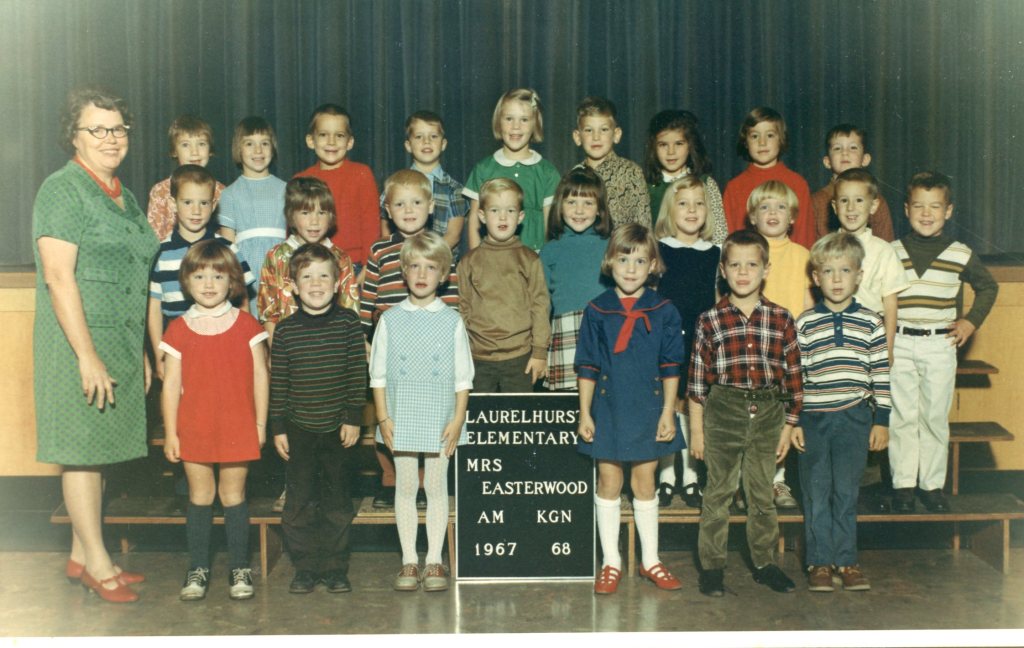
Being on the cusp between the Baby Boom and Generation X, I didn’t have anything like active shooter drills in elementary school. We didn’t even really have the famous ‘duck and cover’ drills of the older Boomers. (Someone in the educational hierarchy of the Seattle Public Schools must have figured out that if you’re being vaporized by a nuclear weapon, ducking under a desk wasn’t likely to be of much help). I’m trying to remember what my fears were in elementary school. I entered kindergarten right after the 1967 ‘Summer of Love’ and I do remember walking home from school with my best friend and seeing peace symbols spray painted on the trees in the park by a vandalizing teen and being convinced that they were airplanes and that it meant our neighborhood was going to be razed for a new airport. We kids warned each other of the dangers of eating unwrapped Halloween treats as they could be laced with ‘goof balls’. We didn’t know exactly what those were but we knew they were bad. I was vaguely aware of the civil unrest of 1968 and the Vietnam war news was always in the background but none of that made that much of an impression on elementary school me as that was far away from our placid faculty ghetto neighborhood.

We’re living in a time of high levels of anxiety. It’s a spiral. The politics of divisiveness, the media frenzy, the pandemic. All of these create anxiety which bathes our brain and our bodies in catecholamines and other hormones that ready us for fight or flight, heightening our receptiveness to danger signals which keep coming in. We can’t live with that amount of stress and angst without it coming out in some way. In me, it’s coming out as exhaustion, inattention, and disconnectedness. I notice in others, as a result of my professional work, that it comes out as hair trigger temper, rage at mild or imagined slights, and a need for a feeling of control, no matter the cost. No wonder gun violence, motor vehicle accidents, and other issues linked to anger or erratic behavior are seriously on the increase over the last few years.

I’ve never owned a gun. I’ve never wanted to. I was taught how to shoot and I’m a reasonable shot but anyone who works in health care knows that the number one risk factor for getting shot in life is the presence of a firearm in the home so I’m not planning on arming myself. When society collapses and the hordes are ascending the hill to plunder the condominiums overlooking the Jones Valley, I suppose I’m a sitting duck but I’m not sure I want to survive into the aftermath.

May 20, 2022

Freude schoner Gotterfunken and all that jazz. Tonight was the first night back performing with the Alabama Symphony Orchestra Chorus in twenty-six months. It seems somewhat fitting that my very last performance before the shut down in March of 2020 was Mozart’s Requiem and the return to choral singing of major works is Beethoven’s 9th symphony and The Ode to Joy. The house wasn’t packed, but decent and it was possible to feel the joy wafting off the audience from our perch in the choral balcony as the thundering chords of that 4th movement brought back one of the highlights of the choral cannon to public performance. Many cheers at the end, even though our numbers have been diminished by the prolonged toll of the pandemic and all of the changes in patterns that has brought forward. Usually there are 90-100 of us up there, tonight we were 65 but tried to bring the same fortissimo. One more performance tomorrow night. Now if only Carlos, our splendid Venezuelan conductor, would not take that last bit at quite the tempo di bat out of hell. I can’t turn the pages fast enough.

Tomorrow morning, it’s back to rehearsing The Merry Widow (from which I have been off for a few days due to the combination of symphony rehearsals and most of the rehearsal time being dedicated to principals). The ensemble doesn’t have all that much to do so I think I have most of it down other than the rather insipid English lyrics to the famous Merry Widow Waltz at the end of Act One. They aren’t quite as bad as the English lyrics to Die Fledermaus a few years back, but they run a close second. I find it very difficult to learn bad lyrics as the moon/June/spoon variety have so many possibilities, they don’t want to stick in your brain. Good lyrics, on the other hand, are easy for me to learn. They are so specific to the music that no other word could possibly come next.

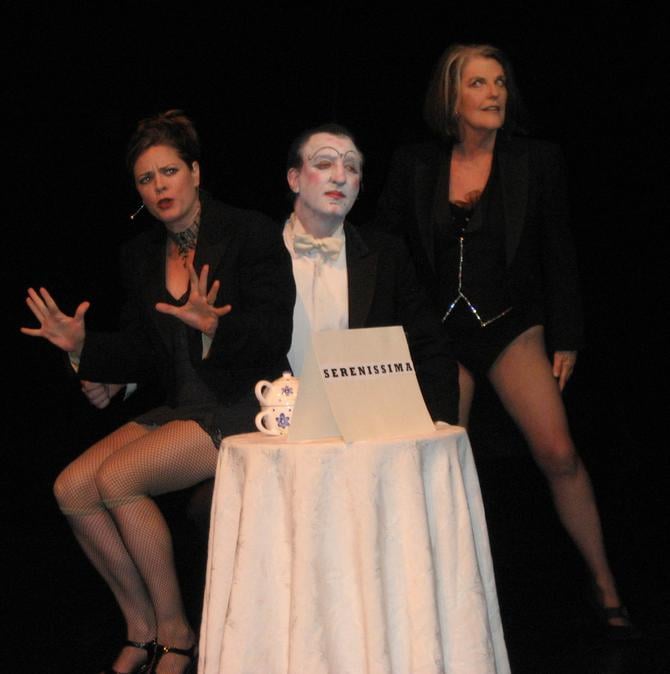
Kimberly Kirklin, me, and Diane McNaron performing The Alabama Song

My other task tomorrow is more melancholy. I am MC for my friend Diane McNaron‘s memorial tomorrow afternoon. Diane was instrumental in the development of my performance career when she and I and Ellise Pruitt Mayor devised Politically Incorrect Cabaret back in the spring of 2004. I thought about doing it in my PIC Ansager character but have decided no, I need to just be me, although the Ansager may slip in around the edges a bit. Diane was my first voice teacher, my patient, my collaborator, my friend. We would bump heads bitterly when creating a PIC show as our political and satirical views did not always align but in the end, we were always able to meet in the middle somewhere and some of the pieces we did were inspired. Me dressed as Mrs. Anna from The King and I doing a kinky version of Getting To Know You. Singing The Alabama Song from The Rise and Fall of the City of Mahagonny together with her as a show opener. A salute to Capital Punishment in Alabama to Razzle Dazzle from Chicago. A commentary on the Deepwater Horizon oil spill as a ballet with a seabird trapped in the oil slick to Saint-Saens The Swan. Doing out of town shows in four other states in some of the strangest theatrical venues you could imagine. I owe her the send off.

Covid numbers are inching up again, not enough yet to call it a surge in the making, but enough to be concerning. Case positivity rate nationally has inched back up over 10% which is not good. Of course, with so many home tests now available, it’s hard to know what data is actually going into that number these days. The rates in the Northeast and the Upper Midwest are serious enough for the authorities to recommend universal indoor masking again. I have no idea if the populace is listening, not being in one of those regions (feel free to chime in if you are), but the barometer I follow – Broadway performances – have definitely suffered with more cancelled shows due to infections in the cast and an extension of mask mandates for theaters until at least July. The hospitalization and death rates are also inching back up with deaths having doubled from the 200 a day it had fallen to back to 400 a day this past week. The hospital rates are low enough to be absorbed by the system but I remain worried. It wouldn’t take much of a surge to put us back in overwhelm mode due to the changes in staffing the pandemic has wrought.

Here in Alabama, we are still relatively spared. My last look at the local numbers had us at less than 5% case positivity and with very small case loads both here in the Birmingham area and statewide. However, the trends are heading back up this past week. I’ve had a number of friends who have tested positive in recent weeks but none of them has been seriously ill and the biggest headache has been the inconvenience of quarantine. I’m still feeling relatively safe being maskless in public but I’m keeping a sharp eye on local numbers and trends and will be popping it back on if I don’t like what I see. Of course, I still wear one at work and will for the foreseeable future as I do work in health care with folk with immunocompromises of various stripes.

Why is Alabama still doing so well despite dismal vaccination rates? Isn’t that the sixty-four dollar question. Perhaps the overwhelming number of omicron infections of a few months back has left the population with a certain amount of lingering immunity. Perhaps it’s something climatological. The nice weather we’ve been having without the humidity having quite yet arrived has chased a lot of activities outdoors. I’m going to trust that the combination of my infection from a few months back and two boosters is going to keep me going without too much difficulty. Although, after the last couple of weeks of staycation without the usual work headaches in my life, I don’t think I would mind an additional week of quarantine while feeling relatively well, as long as I could time it so it doesn’t interfere with other life duties. But, knowing my luck, it would likely strike on a performance weekend and I have a few more of those coming up in June before I hit the summer lull. So I’ll keep those hands washed, watch the numbers, and have my mask handy. And I’ll take as many boosters as are proven to help.

May 16, 2022

At my 60th birthday bash

Birthday weekend is over. I’m now firmly ensconced in a new decade. I hope the pattern of my life where the odd decades are disasters and the even decades pretty wonderful prevails and that I have a great ten years coming up. Who knows though? Wouldn’t it be nice to have powers of divination and be able to identify and plan for the pitfalls in advance? Unfortunately. given my usual life patterns, I would end up as a Sibyl Trelawny with true clairvoyance only at inopportune moments and with perplexing results.

The big birthday bash came off on Saturday night with all of the hitches firmly backstage. The attendees all seemed to have had a good time. I viewed it as a chance for me to give something back to the community that has supported me through the last four years of hell between widowerhood and pandemic. It’s been a long time since I’ve hosted a snazzy catered affair and it will be a long time before I agree to do so again. Too many details to parse through and too many bills at the end of the evening. Maybe on my 70th should I make it that far…

A friend, who had been invited, committed suicide just a couple of days before the party. I first met him when he was a medical student at UAB, one of the few out gay male students at the time. There were very few out gay male faculty and as one of the few, I was the advisor to the fledgling LGBT student group of which he was president. Not only was he a brilliant student, in the MD/PhD program, he was also a musician. I sang with him in the opera chorus, our church choir, and Tommy wrote an oboe piece for him and our choir director to play for one of the children’s holiday pageants he put together. He graduated from med school, went off elsewhere for advanced training and returned to Birmingham to join the faculty in the Department of Pathology about a year ago. I saw him some after his return, but not a lot, the pandemic having disrupted so many patterns and activities.

I don’t know and cannot hope to know what made him think he had no other options. I’m not so much sad as mad at the tragic waste of a life and brain. And I expect more young health care professionals of my acquaintance are going to take the same route over the next few years. The healthcare industry is fundamentally broken and the pressures of that crack up are coming to rest on the shoulders of the more junior providers who have the least ability to change their lives as dictated by higher ups and the least experience and resilience to cope with those dictates.

I’ve expected the American healthcare system, excuse me American healthcare industry, to break within my lifetime. I was just wrong about when that would happen. I was expecting it to happen in the decade of the 2030s under the pressure of demands from the aging baby boom – a combination of enormous demographic numbers and unrealistic expectations as to what healthcare can and cannot do. Instead, it’s happening in the 2020s under the pressures of two years of pandemic combined with a general unraveling of American society through loss of trust by the citizenry in institutions and expertise. Those of us who have weathered the last two years, are emerging somewhat shell shocked, no matter the specialty or how tied in to the acute medical issues of the pandemic it may be. This is being compounded by a steady exodus of providers to the exits of retirement or career change, leaving fewer and fewer people to handle the workload, nudging up due to demographic and other factors.

Two years of disrupted patterns have also created some other trends. One, administrative types in the health care system, many of whom spent the majority of the pandemic at home, began to explore the capabilities of big data systems fed by electronic health records. I’m sure much of what they are learning is very useful but the gathering and entering of that data trickles down to providers who are already very pressed for time. Two, patients and families became much more adept at online access to providers through these new data systems and the number of lengthy notes, downloaded blood pressure graphs, photos of funny looking rashes, complaints about valet parking, and other communications have risen exponentially. In some systems, adept nursing staff can intercept and handle some of these before they ever reach my desk but other systems, in order to save salary costs in the ambulatory environment have replaced nurses with medical assistants who have neither the knowledge base or critical thinking skills to address most of this so it all ends up on the desks of me or my colleagues. The end result is the ambulatory workload is skyrocketing without a lot of hope of curbing the trends as there are fewer and fewer providers opting for ambulatory careers and the system, having to absorb the costs of the pandemic, is trying to control costs elsewhere in the system and is loathe to add support staff.

It takes a minimum of eleven years (and usually more – I had thirteen years) of higher education to create a well trained physician. Any solutions posed today won’t begin to make inroads for another decade or so. There’s been a significant move towards nurse practitioners and physician assistants to handle the shortfall (they can be produced in about half the time of a physician) but I am of the opinion that, especially in geriatrics, the greater depth of knowledge inherent in physician training is what patients deserve. Unfortunately, if we’re tasked with spending most of our time on data entry, we don’t really have the time to spend thinking about how to better handle our complex cases. I wish I had a solution to these dilemmas. I don’t. I can only lay them out in easily understood terms.

As the healthcare system starts to fail, more and more patients won’t be able to get what they need from it. There are very few ambulatory services (mine included) that has room for a new patient in less than four to six months – an inappropriate lag time for urgent or emergent issues. The last few reports I have from the emergency rooms are for multi-hour waits. There is a nationwide shortage of IV contrast for imaging studies so anything not emergent inpatient is being bumped back for months. Appointments for mental health services are practically nonexistent. And all of this is without a major Covid surge in the area. It’s going to get worse. Buckle up.

image description

There was an interesting piece in the New York Times this weekend that suggested that if the US had responded to the pandemic in a way similar to Australia (a country very like ours culturally and economically), roughly 9/10 of the dead would still be alive. That’s 900,000 people that didn’t need to die. The major difference between us and Australia? Trust. Trust in science, trust in government institutions, trust in the health care system, trust in each other. The last decade or so, fed by the media and our political system, has been all about destroying trust in our institutions and in each other. The fault lines have been drawn. The partisans are in the stands, each cheering on their team, red on one side and blue on the other, as the players savage each other on the field. Nearly a million people have died that didn’t need to and we are so ill prepared as a society for the next crisis, which will also likely be politicized for monetary gain, that I can see this pattern happening over and over again. There’s no easy way to rebuild trust once it has been shattered. All I know how to do is try and live a valid life open to everyone and all ideas.

May 11, 2022

So this is sixty. Doesn’t feel much different than my fifties which ended yesterday. Well, I do have a bit of a back ache this evening, but that’s been going on intermittently for the last few decades and is, I suppose, due to the creeping joys of osteoarthritis which is also definitely in my knees. My knees complaining on stairs was one of the reasons why Tommy and I relocated from the Aerie some years ago. A four story house with forty-two steps from top to bottom became less and less of a good idea with each passing year, especially when whatever you needed was always on a different floor than you. We tried to solve that by having a set of common household items on each floor but then they would migrate and there would be four pairs of scissors in the dining room and none where they were actually needed.

The world has been reaching out to wish me a happy birthday today – one of the positives of this age of social media. I’ve had birthday greetings from every continent other than Antarctica. It will take me a while to get back to all six hundred of you who reached out but I will eventually put a ‘Thank you’ if nothing else on each message. The big celebration is this coming Saturday – it’s my thank you to all of those in this community who have helped me through the last four plus years of hell courtesy of widowhood and Covid. People have no idea how much they have done for me by just being a presence in my life as I’ve navigated through some mighty treacherous waters these last few years. It’s why I plan to spend at least my active retirement years here in Birmingham. I am much too embedded in this community to want to wrench myself out of it. Now if Alabama will stop regressing back to the 19th century at every opportunity.

As a birthday gift, I was taken today for my first mani-pedi. I rather enjoyed it and my nails certainly look the best they’ve looked in decades. While I was sitting in the chair with my feet soaking in lavender scented water (no Palmolive dishwashing liquid was involved – Madge the manicurist lied), I let my mind wander back over other milestone birthdays so I thought for everyone’s amusement, I’d run them all down.

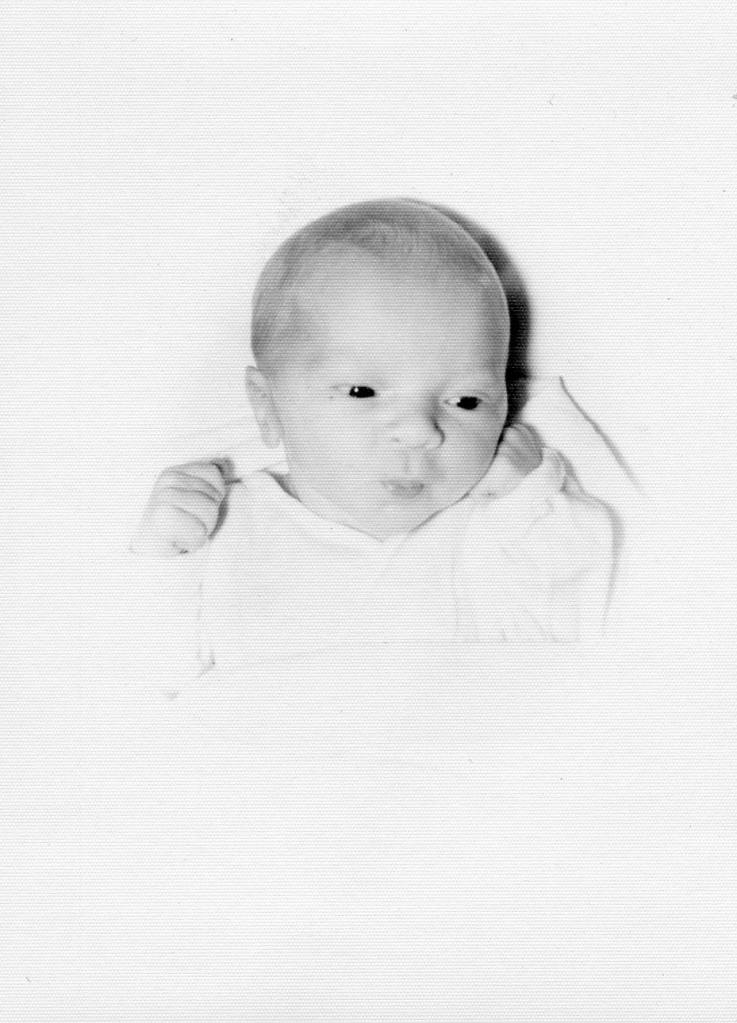
1962 – Birth – I have no recollection of this but I have been told that I was indeed there. I arrived in the wee hours of the morning at Grace New Haven hospital as my father was on the faculty at Yale at the time. I read my mother’s letter to her mother about my birth some years later. I don’t recall much of it (and I don’t think it was preserved for posterity) but I do remember my mother writing that I was wide eyes and wondering from the very beginning, drinking it all in. I like to think I’m still that way.

1972 – Age 10 – I felt too grown up for a big friends birthday party so there was a family gathering with a couple of my close friends from the neighborhood. One of my favorite series of books at that age was Elizabeth Enright’s stories of the Melendy family of New York. In the last of the four novels ‘Spiderweb for Two’, Randy and Oliver, left behind at home as their older siblings head off for high schools in the city, are occupied with a prolonged treasure hunt full of rhyming clues. My mother stashed all my birthday presents in hiding places and created similar rhyming clues that we all had to decipher. I got stuck on the one about a ‘cradle where she used to lay’ until I figure out that it was referring to the cradle where my father’s sailboat would sit in his workshop for drydock repairs.

1982 – Age 20 – I was in the throes of directing my first full length musical (The Pajama Game) and my birthday fell on final dress. I still have a soft spot for the show (even if it is a musical about sexual harassment in the workplace) as it’s got such a great score and I remain friends with my leading lady to this day. I figured out I was actually pretty good at the directing thing and thought about switching from premed to drama but decided that I didn’t want to tie my life to a career that might depend more on luck than on hard work and ability.

1992- Age 30 – I was halfway through my fellowship in Geriatrics at UC Davis and my mentors there took me and Steve out for dinner at our favorite restaurant, Max’s Opera Cafe at Arden Fair. The two of us went out to Max’s a lot. The gimmick was that all of the servers were also vocalists, mainly the music vocal performance majors at the local colleges, and your waitress would have her moment with an aria or Broadway diva number between your salad course and your entree. Steve and I became such regulars that the pianist on the weekends, whom we befriended, had entrance music for us when we were led to our table. Mine was ‘With So Little To Be Sure Of’ and his was ‘Don’t Cry For Me Argentina’. I treated myself by buying a Hirschfeld print of Bette Davis.

2002 – Age 40 – This was my first birthday without Steve, who had died about nine months before. This was my year of running away. I spent as much time as I possibly could away from home on any excuse I could muster. I was dating, if you could call it that, a gentleman who lived in Michigan whom I had met a few months before on a cruise. We would meet up in various cities for the weekend and do some exploring together. For my birthday weekend, we were in Washington DC as the annual American Geriatrics Society meetings were there. For my birthday, he bought us box seats for the opening night of the summer long Sondheim Celebration at the Kennedy Center. The show was Sweeney Todd with Christine Baranski (good) and Brian Stokes Mitchell (not as good). Sondheim was in attendance but I didn’t get to speak to him. I treated myself by buying a second Hirschfeld of Judy Garland to commemorate my Mrs. Norman Maine columns.

2012 – Age 50 – Tommy and I were visiting my family in Seattle and he and my sister, Jeannie, cooked up a birthday party for me at her house with most of the family in attendance as well as some old Seattle friends (a number of whom had been at my 25th birthday party a quarter of a century earlier). Tommy and Jeannie spent most of the day ganging up on me and teasing me about various things (they were good at that when they got together). Tommy, as always, spent a good deal of time in the kitchen putting the food together but I believe he bought the cake at a local bakery. I did not buy a Hirschfeld.

Not much to report from Covidland today. I’ll get back to it later. Too busy reading birthday greetings.

May 7, 2022

I had a reading/signing of The Accidental Plague Diaries this afternoon to benefit Opera Birmingham. We sold a few books, we had a good time drinking wine on the back patio of the opera office and I read a few things from Volume 2 for the first time. I think it went well but I can never tell. I’m the last person to ask about any performance I give whether it’s in character or as myself. Actually, they’re all in character. I’m developing a persona for my readings somewhat removed from my inner self so that I can read aloud about painful things from my life and past and it’s almost as if they’re about some other person about whom I can have objectivity. I suppose it’s similar to what I do at work when I slip on my doctor role with my stethoscope. Being someone else allows me to get into sensitive subjects with patients and families with empathy and compassion and without getting hurt too badly in the process. Sometimes I worry that it means there’s no real core – other times I think my real self feels too deeply and has to protect itself and this is the way I can do it.

Several people have suggested that I should adapt these writings into a one character play/monologue. Maybe after I retire. I don’t think I’ll have the energy until then, not to mention learning a ninety minute piece word for word. and replicating the performance from night to night. I’d have to find the right director/collaborator. One thing I know about me on stage is that I am not capable of directing myself. Choices that feel right to me internally as an actor often are completely wrong when seen from the point of view of the audience and someone else has to help me recognize and adjust. I also make it a rule to never direct a piece I have written. There’s strength in having another take your words, filter them through a different lens of experience, and find in them things you had never considered.

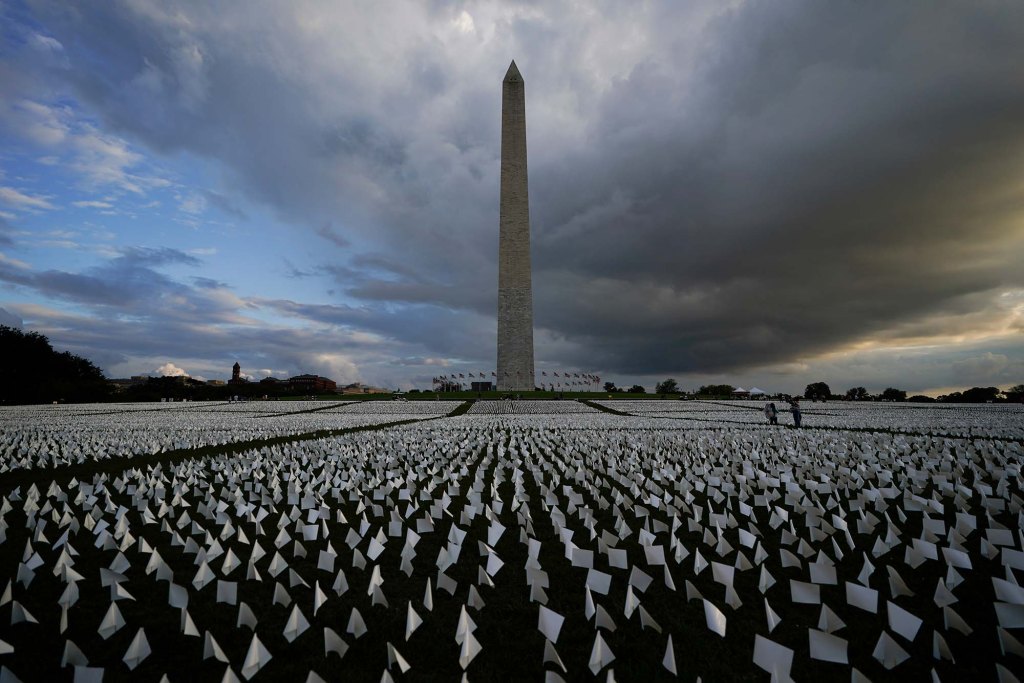
We passed the magic million mark of dead Americans from the pandemic this week. The dead would make up the 11th most populous city in the country – between Austin and San Jose by current counts. It’s three of every thousand people who were alive on New Years Day 2020 who are no longer with us. And that’s just the dead. There are no accurate counts on the number of new widows and widowers, the number of children who lost a custodial parent, the number of parents who had to bury a child, the number of people who survived their infection but whose health and function are so impaired that they will not lead the lives they had created and planned on moving forwards. I don’t think we have any real idea what sort of hole has been created in society over the last few years.

Local numbers remain blessedly low. They continue to go up in the Northeast, the Pacific Northwest, Chicagoland, and the Twin Cities area. These are all in the northern latitudes of the country. Is there something climatological at work? Something different in behavior based on climate? Air flow in indoor spaces seems to be key in helping prevent infections (and if we had a functional congress, we might start looking at tax breaks to get public buildings to retrofit their climate systems with higher flows and better filtration but I doubt that’s going to happen any time soon). Perhaps the warmer temperatures we’ve had down south these last few weeks which has had us all running our air conditioning is saving us.

I’ve started rehearsals on a new show, third man from the left in Birmingham Music Club’s production of The Merry Widow. I actually somewhat enjoy performing in operetta. The music’s fun to sing and the book scenes are so stilted and creaky that they’re almost endearing. It performs the first weekend in June. In the meantime, the Alabama Symphony Orchestra is doing Beethoven’s ninth in two weeks so I’ll be up in the choral balcony shrieking out the Ode to Joy. Why did Beethoven have such a fondness for high Fs in the bass part? Fortunately, they’re usually doubled with the tenors so I can just flip into falsetto or mouth those particular measures. I’ve gone back into voice lessons and my teacher thinks that the high F and G are there and will eventually settle in. I have to keep reminding him that I am a sixty year old bass baritone.

It’s mother’s day weekend. Many of you may remember that my mother died just before the pandemic. We have some suspicion that she may have been one of the first Covid victims as she was in senior group living in Seattle, where the virus was first circulating undetected, and had had a respiratory infection the previous week. Maybe, maybe not. My mother, a product of San Francisco society of the 40s and 50s, had a certain refined European elegance about her in how she carried herself and how she dealt with the world. She was always poised, well coiffed, well spoken, but could destroy with a couple of very polite but very well chosen words if you crossed her. She was of the generation that did not go downtown as a young woman without her gloves and her hat, but at the same time was perfectly comfortable in a small boat, or getting grimy over a campfire. She and my father lived in suburban Connecticut in the early 60s, in a society straight out of Mad Men, and she hated the pretension and couldn’t wait to get back to the west coast and her adoptive home of Seattle. She ran every community organization that came her way with a quick competence, she remained liberal in her politics, veering farther left as she grew older, was an avid traveler, a voracious reader, and wrote very well. And she always put her children and their education first, believing firmly that education was what made for success.

I will not be going out to brunch after church tomorrow. There’s no need. I’ll come home after service and make myself a mimosa (she loved a good drink) and toast her before I toddle off to the Petrovenian embassy ball. I think she’d approve.

May 3, 2022

I didn’t sleep well last night. I woke up around 3 AM and I knew it would be one of those nights when I wouldn’t be nodding off again. I should have gotten up and been productive and written something then, but I was weary so I lay in bed taking in another episode of the final season of Ozark while fretting about various work related things. The good news out of all of this is that I’ve been dragging around all day and I should have no difficulty getting a good night’s sleep tonight. I usually sleep relatively well and without the aid of soporifics or other aids so the occasional bad night is, I assume, another price I get to pay for kicking around in this body for a few decades longer than I ever intended, or even thought possible.

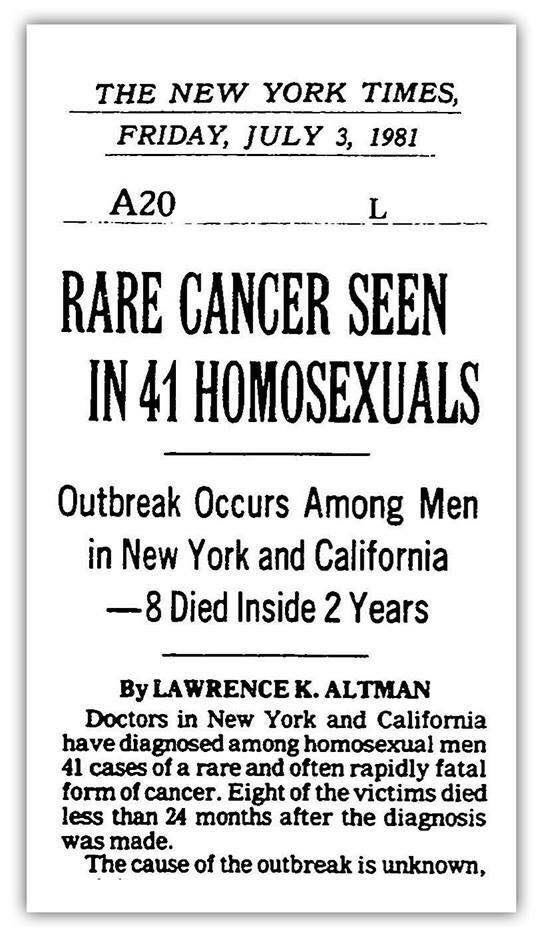
I’m of the HIV generation. I was a college student in the San Francisco Bay area in the early 1980s, and the first whispers of something seriously wrong started to reach campus toward the end of my sophomore year. My crazy schedule of double science major during the day and theater nerd at night probably saved my life as it kept me from getting into too much trouble. All the same, by the time I finished college and moved on into medical school the HIV epidemic was firmly established due to the powers that be of that time having no interest in diseases that seemed to be contained to marginalized groups, and so it ended wiping out so many of the men who could have been my mentors and teachers and exemplars .My reaction to this was to remain firmly closeted during my medical school years and to assume I’d probably be dead before the age of 35. I eventually wised up and came out and, obviously, I’m still on the right side of the dirt, at least as of this writing. I’m not to sure of any or our life expectancies these days… too many unknowns.

One of the things that’s kept me interested in our societal response to the Covid epidemic is the obvious parallels between our flawed responses to HIV and our flawed responses to Covid. In both cases, proper public health responses to epidemic infectious diseases were hijacked by political considerations and many thousands of people died needlessly. Eventually, science won out in the HIV epidemic and it has, for the most part, become a manageable chronic disease. We’re still adjusting to the Covid pandemic and it’s unclear where that’s heading next. Case rates are ticking up nationally, especially in the Northeast, but the mortality rate is remaining mercifully low. Is it a new phase where it’s becoming less virulent? The effect of widespread natural and vaccine immunity? Are we just not yet seeing the mortality from the current increase of cases as that usually isn’t apparent for a month or two? Then there’s a number of new omicron variants popping up, especially in South Africa, where omicron initially originated. It’s unclear if any of these is going to be a particularly bad actor but initial reports suggest no worse than the original omicron strain.

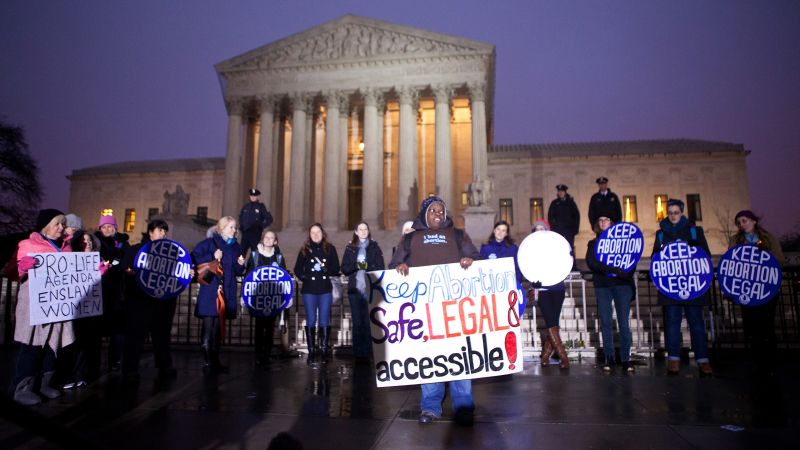
The big news this week is, of course, the leaked Supreme Court opinion which scuttles Roe v Wade. Chief Justice Roberts has acknowledged its veracity. There’s a lot of running around and beating of chests in shock and surprise. I am neither. The movement conservative forces in this country, playing a long game of many decades, have telegraphed every move well in advance with great fanfare and publicity. Why be surprised when they do exactly what they’ve told you they’re going to do. I am more than a little Susan Collins concerned about what comes next. In the opinion is legal language which sets up the repeal of Obergefell (gay marriage), Lawrence (striking down sodomy statutes), Griswold (allowing contraception), and even Loving (interracial marriage). I expect the current conservative bloc on the court will start looking for cases which will let the rest of the dominoes fall.

Without legal protections, people like me will become vulnerable to the state. I am planning on remaining in Alabama, at least through active retirement years, but I don’t know if it will be possible if the state is allowed to legally harass and subjugate my marginalized community. I’ve been out too long to go back to my closeted life of the late 70s and early 80s. At the same time, LGBTQ citizens of Alabama live life normally somewhere between stages 3 and 4 on the scale of the ten stages of genocide and if we start sliding toward stage 5 or 6 or beyond, it might behoove me to get out before something really bad takes place. And I’m too much of a realist to think things like ‘it can’t happen here’.

If more liberal individuals want to have the ship of state come about, they’re going to have to stop sniping at each other and start doing the hard work of organizing. It means going to precinct meetings and putting in the work as committee chairs and running for local offices, prepared to lose, but getting an alternative vision before the voting public. It’s going to take a unified front on social and political issues that’s going to require compromise and which can’t be beholden to various idealogical purity tests. It’s going to mean building a network of interlocking activist agencies willing to cooperate rather than spending their time in never ending turf wars over issues and funding. It’s going to mean developing a certain intellectual rigor in liberal philosophies and ideals and training thinkers to write clearly and cogently about policies and positions in a way that will capture broad public interest. Politics in this country works from the bottom up, not the top down.

This kind of work can be done. Ask my generation of the LGBTQ community and those a few years older than I. When the US government condemned us to early death from HIV, we fought back and built the various HIV service organizations and LGBTQ advocacy groups that continue to be a focal point of our community. It wasn’t easy but it was an emergency and needed to be done and there was no white knight coming to the rescue. No white knight is going to stop the Supremes either. Time to roll up the sleeves and get to work. Just get your booster before you go out and do it.

April 28, 2022

Tommy left us four years ago today. Obviously, he’s been on my mind as I’ve dragged myself through one of my usual work days. It wasn’t an especially hard day, one of my VA house call days in Sumiton and Jasper, but I still was feeling a bit beat down by the world. I suppose it’s normal to feel like this on an anniversary of this type but I have this negative reaction to emotions. They’re messy uncontrollable things that make it difficult to get things done with speed and efficiency. VA house calls are more about a previous loss, that of Steve. I was in the middle of one, talking about the mundane details of diabetes management with a lovely elderly African American vet and his wife, when I got the call that Steve had suddenly collapsed and died at home. There’s this little piece of me that always equates my walking into a patient’s home in the role of VA physician with circumstances of sorrow and loss. Perhaps that’s why I’m so comfortable talking about uncomfortable subjects when I make these house calls. I’ve been there.

Last night, in my role as board president of Opera Birmingham, I attended the final dress rehearsal of our current production of La Boheme. It’s the first time we’ve been able to mount a fully staged opera in a couple of years. Cendrillon, the last one scheduled, was cancelled half way through staging rehearsals in March 2020 when the world shut down. The exigencies and uncertainties of pandemic life made going into this production, less than a sure thing so the decision was made to scale it way down. We moved to a smaller house, arranged to share a physical production with several other small opera companies, and pared the cast down to the seven principals and an ensemble of twelve and a reduced, but full orchestra. The result was stunning. The smaller house puts the audience in immediate touch with the performers, allowing them to draw you into their world. The set proportions were those of Parisian attics, and not garrets the size of a suburban McMansions. And the singers and orchestra entwined together to bring through the true emotions of the piece. Note to self. Sitting through Act IV and Mimi’s death scene of the eve of the anniversary of one’s own loss is not recommended. It plays Friday night and Sunday matinee at the Day theater this weekend. Don’t miss it. I’ll be there again Friday night.

We haven’t run the numbers for a while. Anecdotally, I keep hearing of friends succumbing to Covid infections but no one seems to be getting particularly ill. Inpatient numbers at UAB have dropped to single digits since the pandemic first hit the Birmingham area in the spring of 2020, despite significant changes in behavior patterns regarding indoor gatherings. Maybe we’re kind of through this thing. Maybe we’re just enjoying a lull. As the virus is continuing to rocket around the world through all sorts of populations with all sorts of behaviors, anything is possible. Mutation marches on. We’re at something over 81 million documented infections in the US. This amounts to roughly 25% of the population. A recent cross sectional study of the population looking at antibody prevalence suggested that exposure is much higher than this, maybe closer to 60% of the population having had an infection. This would mean that the number of subclinical cases that were never tested for is enormous.

If 60% of the population has at least some natural immunity and roughly 66% of the population is vaccinated, the virus may be having a harder and harder time breaking through and forming effective transmission chains. Maybe not. I think we all tend to forget just how new this disease is and how little we really know about its natural history. Even at this low rate, we’re losing between 600 and 700 people a day to the disease and we’re something over 991,000 total deaths. This will put us over the million death mark sometime in mid May. This means that three of every thousand Americans who were alive in January of 2020 has died of Covid in the interim. Covid has been the third leading cause of death for the last two years, lagging only cancer and heart disease. And this is only the deaths. I care for a number of people who caught serious Covid, were hospitalized, some for a very long time, and who are now gravely incapacitated with multiple health issues. But they aren’t dead, just drowning in medical debt and unable to work.

I don’t think we have any idea yet about the ripple effects on survivors. The hundreds of thousands of new widows and widowers. The children who lost a parent, or both. The parents who had to bury their previously healthy adult children. The burdens of caregiving, for what might be years, on those left chronically ill. Then there’s the ripple effects on social and economic institutions. Entire industries and sectors of the economy are in precarious shape. The one I’m dealing with the most is the long term care industry. I know of no nursing home that’s not short staffed. The extra work piled on those left behind to cover for missing coworkers is burning them out leading more to quit and a vicious cycle rolls on. The short staffing is leading to basic needs of dependent people not being attended to promptly, corners being cut, and declining health outcomes which in turn is pushing people out of the nursing home back into the hospital with a preventable acute illness, using up precious resources and putting additional strains on exhausted medical staffs. Add in the aging of the Baby Boom and a perfect storm is brewing with which the health system and American society is not yet prepared to cope.

I got a notice that the book was short listed for the Grand Prize for the Eric Hoffer Book Awards, which only about 1/20 entrants makes, so someone somewhere has been reading it. I have a reading and signing at the Opera Birmingham office on May 7th if you haven’t yet obtained a copy. I’m busy reading and editing volume 2 to try and stay vaguely on schedule. It would be nice to win something prestigious but I’m not holding my breath. I didn’t write it for awards or sales, but rather to help myself cope with a rapidly changing world and putting it down on paper helped me make sense of the madness swirling around.

I was going to write a treatise on medications and deprescribing, but I’m too tired. Next time perhaps. In the meantime, the best vaccine is one in the arm. I got my second booster on Tuesday. I didn’t feel to horrible afterwards. And keep those hands washed.

April 24, 2022

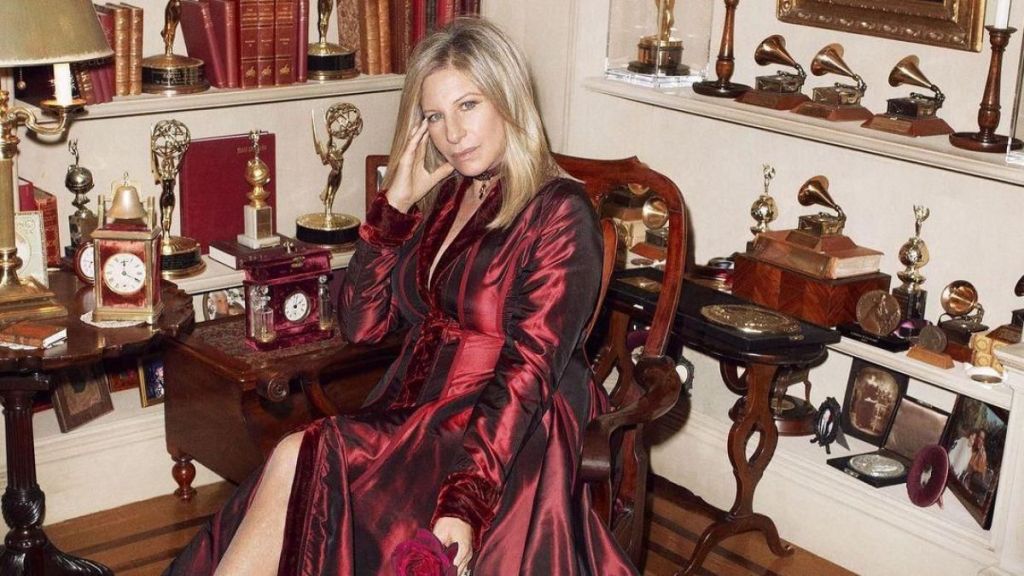
Barbra Streisand turns 80 today. If that doesn’t make me feel old, nothing will. By coincidence, it’s also the opening night of the first Broadway production of Funny Girl since the original launched Ms. Streisand to superstardom two thirds of a century ago. I’m sure that all means something on a cosmic level, but I can’t begin to tell you what. As a gay man, I got the diva appreciation gene but not so much the diva worship gene. I don’t make pilgrimages or overspend on concert tickets or set up little shrines in my domicile as some do. I’ve often wondered where the relationship between gay men and larger than life female entertainers comes from? I imagine it’s that many of these entertainers enter a persona of womanhood that occupies a traditional dominant male space of commanding attention, and does so with affectations that are easy to mimic, giving birth to thousands of bad drag acts. Those few times I have done classic drag, I have done it as MissClairol Channing. Carol Channing is easy for me to do. We’re roughly the same size and shape, she’s got a distinctive voice I can imitate, and a little of her goes a very long way meaning I’m not asked to drag her out terribly often. She will not be making an appearance at my birthday this year – and my Birmingham friends have all let out a collective sigh of relief.

Tonight feels like a free association night. There’s not much going on in covidland. I’m still waiting for the other shoe to drop now that we’re more or less pretending the pandemic is over. The virus will use our changed behaviors and how that’s all going to play out is anybody’s guess. As long as it doesn’t send another major surge through the healthcare system. It’s gotten awfully rickety and I’m thinking it’s not going to take a whole lot more for it to become nonviable. In some ways, it already is. The waits for appointments and elective procedures aren’t going down. they’re actually going up locally. The mass of retirements and departures from the sector is ratcheting down the number of services available and the timeliness of those services. There are a few common referrals I make where I can find no provider with an opening for four months, either inside of or outside of the UAB network.

Personally, gross exhaustion has been setting in from the UAB piece of my job. For various reasons, UAB Geriatrics Clinic can only offer about half the appointment slots we were able to offer pre-pandemic. We still have roughly the same number of patients. We are still trying to squeeze in new patients who desperately need our counsel and advice. We haven’t had much luck replacing departing providers. The aging Baby Boomers, having had a couple of years to contemplate themselves without major interruptions have decided they don’t like bodily change and are banging on the doors. Everyone has gotten a chance to experiment with patient portal e-mail systems, quite like them, and send in messages about every little thing. The administrative heads of health systems have had two years to dream up all sorts of projects using the big data capabilities of electronic health records are requiring more and more inputs. All of this is falling squarely on the shoulders of me and the other providers in our clinical system. Then throw in a maternity leave and a prolonged vacation before pouring in the blender and hitting frappe. Whine over. Things will get better.

I’ve been through professional periods like this before. The difference this time around is the pandemic having created a whole new set of complications – for patients, for providers, for health care systems, for society. There hasn’t been a lot of fat in the system for a long time due to the economic structures of for profit health care that have been slowly put in place over the time of my professional career, but the pandemic took the last little bits and a good portion of the muscle and skeleton as well so it’s all we little neurons can do to keep the system upright from day to day. I’ve started to think that every day I go to work, and I come out at the end of the day feeling like I haven’t left a patient in the lurch is a successful day and should be celebrated.

My performance life is going to rev up again starting next week with rehearsals beginning for the symphony next week and for The Merry Widow the week following. I have a bit of trepidation about putting that back in on top of the work stresses of the moment but I know that those sort of commitments create what I call good stress in my life rather than bad stress. Besides, I’m going to be on staycation during most of the symphony rehearsal period so it shouldn’t be a problem. And I’m only doing ensemble in The Merry Widow so I’m thinking I’ll be able to handle that without too much difficulty.

I’ve got the first 40% or so of the second volume of these Accidental Plague Diaries edited. It should be fully edited by the first of June at the current pace and I should be on schedule for an early fall completion. It’s been interesting rereading things from a year ago. It reminds me of how fast and how thoroughly our society has changed over the last few years, too fast for us to really understand what all has actually happened and what all it means. And that’s why I keep writing. Even if the pandemic were over (and I don’t believe that for a minute), the ripple effects are just beginning and are going to cause vast changes over the next decade or so. I don’t see these writings going to ten volumes (no one would read them, unless they’re the sort of person who thinks Robert Jordan’s Wheel of Time needed to be a bit longer) but I won’t be surprised if there’s a volume 3 in 2023. I won’t make that decision for another year and it will depend on all sorts of things that I cannot predict at this point.

It’s coming up on the 4th anniversary of Tommy’s death so I’ve been reflecting back on him a bit this week. He’s still very much present in my life. Clothes he wore still hang in my closet. I’ve been sorting bins of miscellaneous paper and finding notes of his from various projects, theatrical and otherwise. I haven’t noticed his physical presence, but my house guest swears he’s heard him in the kitchen a time or two. (It’s probably just the cat). If he is hanging around the condo, the kitchen is the most likely place for him to be. I’m sure he’s not very happy with the way I’ve arranged it but he’s likely to approve of the new refrigerator and dishwasher as both of the ones that came with the condo decided to give up the ghost recently. I bought his favorite kind of fridge. I didn’t get his favorite brand of dishwasher as I always had trouble with the adjustable racks myself and broke more than a few of them over the years. If the new dishwasher has issues, then I’ll know Tommy’s in the kitchen and won’t rest until I get a Bosch.